
Tracking Signs With GPS

-
01GPS tracking devices detect sign movement before theft goes unnoticed
-
02Geofence alerts notify campaigns the moment a sign leaves its location
-
03Mini size trackers stay hidden behind aluminum sign panels and frames
-
04Waterproof construction keeps GPS devices active through rain and outdoor exposure
-
05Strong materials and secure mounts reduce how often signs get taken
Why Political, Realtor, and Vehicle Signs Are Common Theft Targets
GPS tracking devices for political signs, realtor signs, and vehicle signs exist for one reason. Theft happens fast and often.
I have seen this play out across campaigns and property listings. A sign goes up in the morning. By evening, it is gone. No warning. No clue who took it. Just another replacement order.
The problem is simple. High visibility with zero protection. These signs sit in open areas where anyone can walk up and remove them without being noticed. Once one disappears, more usually follow.
In this guide, I will walk you through why this keeps happening, how tracking changes the outcome, and what actually works in real setups. If you are tired of replacing the same signs over and over, this will help you break that cycle.
Best GPS Tracker For Signs
The best GPS tracker for signs stays hidden, handles outdoor conditions, and sends instant alerts when movement occurs.
Compact size, reliable signal, and fast notifications play a bigger role than extra features when it comes to preventing and responding to sign theft.
SpaceHawk Hidden GPS Tracker For Signs

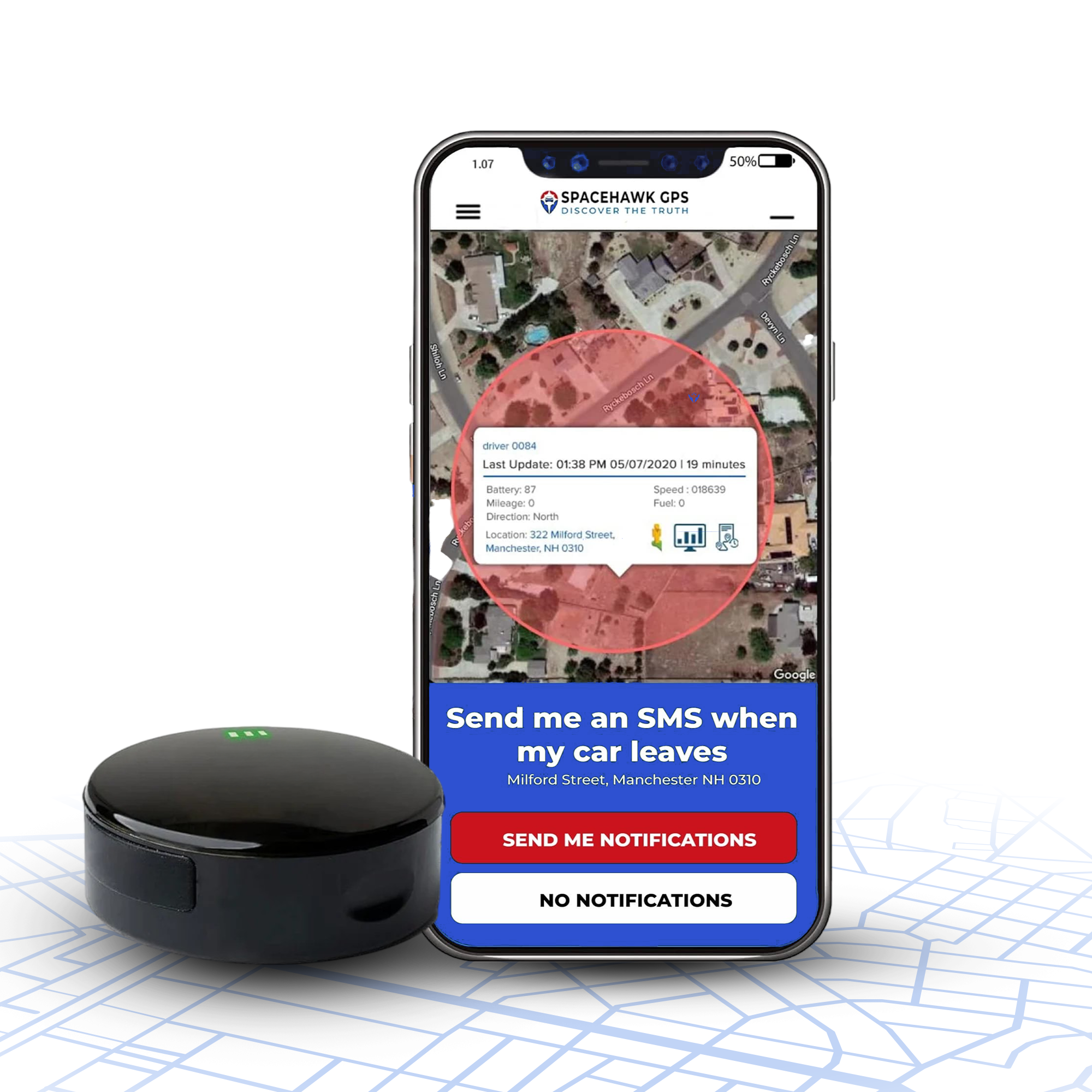
SpaceHawk Hidden GPS Tracker for signs works because it stays out of sight and keeps reporting location in outdoor conditions. The compact size (2.25 x 2.25 x 0.8 inches) fits behind sign panels or inside frames without changing how the sign looks, which helps prevent tampering or removal, and it continues tracking through rain, dust, and heat so you still get location data even when signs are placed in exposed roadside areas.
Movement alerts trigger as soon as the sign is touched or removed, giving immediate updates instead of delayed tracking. This allows faster response and improves recovery chances. The flexible subscription setup also fits sign usage cycles, so tracking can be active only when signs are deployed, avoiding unnecessary costs when they are not in use.
View Key Features
- Movement alerts that trigger within seconds of removal
- Geofence setup to flag when a sign leaves its location
- Compact body that stays hidden behind panels
- Sealed build that handles rain and roadside exposure
- Access through phone or browser without delays
All of this runs in the background. The sign looks the same from the outside, which helps avoid attention.
Basic Specifications for Sign Setups
These specs match how signs are used across campaigns and property listings:
| Spec | Detail |
|---|---|
| Size | 2.25 x 2.25 x 0.8 inches |
| Build | Sealed for outdoor exposure |
| Use case | Yard signs, frames, and vehicle-based displays |
| Alerts | Movement and boundary notifications |
| Access | Mobile app and web dashboard |
| Plans | Monthly activation based on usage |
This setup works across repeated placements without needing adjustments every time.
Why This Recommendation Holds Up

I did not pick this based on brand name. I looked at what failed during actual installs.
Slightly larger devices got noticed and removed. Units without proper sealing stopped working after exposure. Some trackers had delays that made alerts useless by the time they came through.
This one handled those situations better, staying hidden, reporting through the weather, and delivering alerts fast enough to act on while the sign was still nearby. That combination is what you need when recovery is the goal.
For best hidden GPS tracker: Best Hidden GPS Trackers for Covert Use | Top 8 Devices Tested
How GPS Tracking Devices Protect Signs From Theft

GPS tracking devices protect signs by turning movement into an instant alert instead of a delayed discovery.
Most people realise a sign is gone hours later. By then, it is already dumped, damaged, or impossible to trace. I have seen campaigns lose multiple signs in a single weekend just because no one knew when the first one disappeared.
Tracking changes that.
Once a small GPS device is placed behind a sign or inside the frame, it starts reporting location continuously. No manual checks. No guessing. You see movement as it happens.
In real setups, here is what actually happens:
- The sign gets pulled or moved
- The device detects motion within seconds
- A location update hits your phone almost instantly
- You can track where it is going in real time
During one field setup, we tested this across roadside placements. Alerts came through fast enough to react while the sign was still within the same block. That kind of timing is what makes recovery possible.
Tracking also works quietly in the background. Pair it with simple warning stickers or visible deterrents, and removal starts to feel risky instead of easy.
Real-Time Alerts for Moved Political and Realtor Signs

Real-time alerts tell you the moment a sign moves, not hours later when it is already gone.
Most teams still rely on visual checks. Someone drives by, notices a missing sign, and by then, there is nothing left to recover. I have seen this happen during weekend campaigns where multiple signs disappeared before anyone even realized the first one was gone.
With tracking in place, that delay disappears.
The second a sign is pulled from its spot, a notification hits your phone with the live location. No need to check manually. No waiting.
In actual use, this is where alerts make the biggest difference:
- Signs placed across multiple streets or neighborhoods
- Open house boards at busy intersections
- Temporary placements during events or campaigns
During one setup, alerts were coming in within seconds of movement. That gave enough time to respond while the sign was still nearby, rather than tracking it after it had already been dumped.
That speed changes how theft plays out. Once people realise signs are being tracked, repeat attempts usually drop.
In detail: How Real-Time GPS Trackers Work
Geofence Monitoring for Vehicle Signs and Cars, Motorcycle Displays

Geofence tracking sets a clear boundary around where your sign should stay.
Think of it like a digital perimeter. The moment a sign crosses that boundary, you get an alert along with its direction and current location.
This works well for both fixed and moving setups:
- Signs placed in front yards or property corners
- Promotional signs on parked vehicles
- Temporary placements during rallies or open houses
From what I have seen, tighter boundaries work better. A small radius avoids false alerts from minor shifts but still catches actual removal.
Once the sign leaves that zone:
- You get notified instantly
- You can see where it is heading
- You can follow movement in real time
For mobile campaigns, this setup keeps everything accounted for without constant supervision. Signs can move when they are supposed to, but the moment they go beyond the expected area, you know about it.
What to Look for in GPS Tracking Devices for Signs
GPS tracking devices for signs only work when the basics are done right before installation.
I have tested setups where the tracker looked good on paper but failed within days. Either it was too big and got spotted, or it stopped working after the first rain. That is usually where most people get it wrong.
You do not need dozens of features. You need a device that stays hidden, survives outdoor conditions, and lets you check your location quickly without extra effort.
From real use, three things make the biggest difference: size, durability, and how easy it is to monitor.
Mini Size Design for Discreet Placement

Size decides whether your tracker lasts or gets removed.
Bigger devices are easy to notice. The moment someone flips the sign, the tracker becomes the first thing they pull out. I have seen this happen with bulky units that were gone within a day.
Smaller devices solve that. They sit quietly behind the panel or inside the frame without changing how the sign looks. Once installed properly, there is nothing visible from the outside.
Best placement spots that have worked consistently:
- Back side of the sign near mounting points
- Lower frame sections that stay out of reach
- Behind panels used for campaign or property displays
Keeping the device hidden gives it time to do its job. If it cannot be seen, it is far less likely to be removed.
Waterproof Construction for Outdoor Use

Outdoor conditions are not forgiving.
Rain, dust, sprinklers, and roadside dirt hit these signs every day. A tracker that cannot handle moisture will fail quietly, and you will not even know until you try to locate a missing sign.
During one setup, a non-sealed device stopped reporting after light rain. The sign was gone, and there was no location data to recover it.
That is why sealed housing makes a real difference.
Look for devices built to handle outdoor exposure without needing extra covers or adjustments. When the tracker keeps working through weather changes, you do not have to worry about seasonal failures or unexpected downtime.
App Compatibility for Easy Monitoring

Tracking only helps if you can access it quickly.
If checking the location feels complicated, people stop using it. I have seen teams install trackers and then ignore them because the dashboard was too confusing or slow.
A simple app fixes that. You should be able to open your phone, see the current location, and get alerts without digging through menus. That is what makes tracking practical during active campaigns or property listings.
What works best in real situations:
- Instant alerts when a sign moves
- Live location updates without delay
- Access from phone or browser without setup issues
When monitoring is easy, you actually use it. And that is what makes the whole system effective.
How To Keep Yard Signs From Being Stolen In 3 Easy Steps
Use a hidden GPS tracking device, set a tight geofence, and act on the first alert. That is what actually stops repeat sign theft.
I have seen signs disappear within hours of being placed, especially near roads and intersections. No one notices until it is too late. These three steps fix that gap without adding extra work.
1. Place a GPS Tracking Device on the Sign
Start with placement. If the tracker is visible, it will not last.
During installs, the setups that held up the longest were the ones where the device stayed completely out of sight. Behind the panel or inside the frame worked best.
Reliable spots:
- Back side of the sign near mounting points
- Lower frame section that is hard to reach
- Rear side of vehicle-mounted displays
In one setup across roadside placements, a hidden unit stayed in place for over two weeks, while a visible one was removed the same day.
Outdoor exposure is constant. Rain, dust, and sprinklers hit these signs daily, so the device needs to handle that without failing.
2. Set Up a Geofence Around the Sign Location

Now define where the sign should stay.
A geofence creates a boundary around the placement area. The key is to keep it tight. Large zones delay alerts and reduce usefulness.
Set it around:
- Yard placements
- Property corners for listings
- Fixed parking spots for vehicle displays
When the sign crosses that boundary, you get notified immediately. No need to check manually.
In real use, tighter geofences caught removals faster and avoided false alerts from minor shifts.
3. Act on Alerts the Moment a Sign Moves

Speed decides whether you recover the sign or lose it.
Alerts come through as soon as movement starts. The first few minutes are where most recoveries happen.
You will see:
- Current location
- Movement direction
- Live tracking updates
During one test, a sign was tracked within the same street because the alert was checked right away. Waiting even an hour would have changed the outcome.
This setup works across different placements:
- Groups of signs across neighborhoods
- Compliance signs near public areas
- Roadside safety boards
Once tracking is in place, removal stops being easy. The moment movement triggers a response, repeat attempts usually drop.
Protect Your Signs from Theft and Damage - Practical Tips That Work
Theft is only part of the problem. Damage, repeat replacements, and lost visibility add up faster than most people expect.
I have seen setups where signs were replaced three times in the same week. Not because of one incident, but because nothing changed in how they were placed or protected.
A single solution rarely fixes this. What works is combining a few simple steps that make removal harder and tracking more effective.
Use Technology to Stay Aware

Most signs sit unattended for long periods. That gap is where losses happen.
Tracking fills that gap by showing movement as it happens instead of relying on someone to notice later.
In actual use, this means:
- You know when a sign is moved
- You see where it goes
- You can act before it disappears completely
This alone cuts down repeat loss because removal no longer goes unnoticed.
Add Visible Warnings to Deter Tampering

Not everyone who removes a sign is thinking long-term. A small warning can make them stop and move on.
Simple decals that mention tracking or monitoring change behaviour. I have seen cases where nearby signs without warnings were taken, while the marked ones were left alone.
Good placement spots:
- Corners of the sign where it is easy to notice
- Near mounting points on frames
- On vehicle-based displays where people approach closely
You are not hiding the fact that tracking exists. You are making it obvious enough to discourage quick decisions.
Use Strong Materials That Hold Up

Weak materials fail even without theft.
Thin boards bend, break, or loosen over time. Once a sign becomes unstable, it is easier to remove or damage.
Aluminum setups hold up better across repeated use. They handle weather, transport, and setup without losing structure.
This also protects the tracker behind it. A solid frame keeps everything in place instead of shifting or exposing the device.
Secure the Mounting So Removal Takes Effort

Fast removal is the biggest advantage for anyone taking a sign.
If it takes even a little more effort, most people will not bother.
From installs I have worked on, stronger mounting made a clear difference. Signs that required extra force or time were rarely targeted again.
Useful options include:
- Heavy-duty adhesive for panel-backed setups
- Reinforced brackets for framed signs
- Stable mounts for temporary displays and event setups
You are not trying to make the sign impossible to remove. You are making it inconvenient enough that it is no longer an easy target.
Legal Considerations for GPS Tracking on Signs

GPS tracking for signs is legal when you are tracking your own property. Problems start when tracking shifts from assets to people.
I get this question a lot, especially from campaign teams and agents setting up multiple signs. The rule is simple. If the tracker stays attached to your sign, you are on safe ground in most cases.
Where people run into trouble is when tracking goes beyond that. Attaching a device to something owned by someone else or using it to follow a person without consent can create legal issues.
Here are the key points to keep in mind:
- You can track signs and equipment that you own
- You cannot track individuals without their permission
- Signs placed on private property need approval from the owner
- Public placement rules still apply depending on the area
From what I have seen, adding a small warning label helps avoid confusion. It signals that the sign is monitored, which reduces disputes and makes your setup more transparent.
Local rules can vary. Some cities are stricter about where signs can be placed, especially near roads or public walkways. It is always worth checking local guidelines before setting up large numbers of signs.
When tracking is used for recovery and protection, not surveillance, it stays within normal use. This is the same approach used for tools, vehicles, and other assets that need monitoring in the field.
Conclusion
Signs get taken because they are easy to take.
Open placement, no supervision, and quick removal make them an easy target. I have seen the same locations lose signs again and again simply because nothing changed in how they were protected.
That is where tracking shifts the outcome.
Once a GPS tracking device is in place, you stop finding out after the loss. You see movement as it happens. That alone changes how theft plays out. Add stronger materials and better mounting, and the setup becomes harder to mess with in the first place.
If you keep it simple, this is what works:
- Use GPS tracking to catch movement the moment it happens
- Set geofence alerts so you know when a sign leaves its spot
- Add visible warnings to discourage quick removal
- Use solid materials that hold up outdoors
- Secure the mounting so removal takes effort
This approach keeps the focus on recovery and prevention. Signs stay visible longer, losses drop, and you spend less time replacing the same setups again and again.
About the Author

Frequently Asked Questions
When Are Political Signs Most Often Stolen?
Does Weather Affect GPS Trackers for Signs?
How Should I Attach a Tracker to My Real Estate Sign?
What Is The Best Way To Prevent My Signs From Being Stolen?
- Choosing a selection results in a full page refresh.
- Opens in a new window.
 Buy on Amazon