
7 Best Snowmobile GPS Trackers (2026) – Backcountry & Theft Tested

Key Takeaways
-
01Cold weather reduces battery performance and can interrupt tracking.
-
02Cellular trackers lose signal in remote areas while satellite keeps reporting.
-
03Wired trackers offer reliability while battery units allow hidden placement.
-
04One pick is a dealer-only commercial device. The rest you can just buy.
-
05Proper placement balances concealment with consistent signal strength.
Ready to protect your snowmobile with reliable GPS tracking?
Winter-tested trackers with free lifetime support on every purchase.
As an Amazon Associate, GPS Tracker Shop earns from qualifying purchases.
7 Best Snowmobile GPS Trackers (2026 Guide for Winter Riding)

Welcome to our guide on the best snowmobile GPS tracker. Riding in winter changes the rules fast. Cold drains batteries, trails vanish overnight, and cell coverage fades right when help feels far away. I've spent years working with GPS tracking gear and testing devices on real sleds, during long rides, overnight parking, and storage between storms. Some trackers stop reporting early. Others keep sending location data when temperatures drop hard.
This guide pulls together what I've learned from hands-on use, not spec sheets. You'll see which trackers hold up during winter riding, where different systems fall short, and which options fit backcountry trips, theft recovery, or everyday trail use. By the end, you'll know how to choose a tracker that works the way you ride, not the way marketing promises.
-
42%
of stolen snowmobiles were recovered
-
26%
of those came back within a single day
The NICB counted 949 snowmobiles stolen in the US between January 2018 and December 2019, split 471 in 2018 and 478 in 2019, with Minnesota, Michigan, Wisconsin, Alaska, and New York leading the list. Recovery skews heavily toward speed: of the sleds that came back, 26% were found within a day and 54% within two weeks. That's the whole argument for a tracker. It doesn't recover the sled itself; it lets you report a live location within minutes instead of a description and a guess.
And yes, that data is from 2018 and 2019, old enough to be a used sled by now. It is also the most recent snowmobile-specific theft report the NICB has published, so it remains the best number anyone has. Sled theft apparently doesn't generate the same annual paperwork as pickup trucks.
Compare All 7 Snowmobile GPS Trackers
Coverage type is the decision that matters most on a sled. Cellular works near towns, trailheads, and storage lots; satellite keeps reporting where there are no towers at all. Here's how the seven compare.
| Tracker | Best For | Coverage | Power & Battery | Where to Buy |
|---|---|---|---|---|
 #1SpaceHawk #1SpaceHawk
|
Overall snowmobile tracking | Cellular | Rechargeable, weeks depending on update rate. $39 hardware | Buy Now |
 #2SmartOne C #2SmartOne C
|
Backcountry, no cell service | Satellite | 4 AAA batteries or line power | Via Globalstar |
 #3Digital Matter Oyster3 #3Digital Matter Oyster3
|
Hidden theft recovery, long storage | Cellular (LTE-M / NB-IoT) | 3 AA lithium cells, 10+ years at low update rates | Via LoneStar |
 #4LoneStar TitanLTE #4LoneStar TitanLTE
|
Wired, set-and-forget tracking | Cellular | Sled power, plus 60-day backup battery | Buy on Amazon |
 #5SPOT Trace #5SPOT Trace
|
Motion alerts and remote storage | Satellite | 4 AAA batteries, days to weeks by interval | Buy on Amazon |
 #6LandAirSea 54 #6LandAirSea 54
|
Smallest body, frequent updates | Cellular | Rechargeable, or hardwired for the season | Buy Now |
 #7TRAK-4 #7TRAK-4
|
Lowest cost, parked-sled checks | Cellular | Long battery at slow update intervals | Buy on Amazon |
Worth knowing before you shop: the SmartOne C is a commercial IoT device sold through Globalstar and its dealers rather than consumer retail. Buying one means talking to someone and setting up a service plan, not adding to cart. The Digital Matter Oyster is a fleet device too, but LoneStar Tracking resells it to individual buyers, so it's more reachable than its spec sheet suggests.
How We Tested Snowmobile GPS Trackers

Testing snowmobile GPS trackers meant getting outside and using them the same way you would. I ran each tracker through cold starts after sitting overnight, tracked sleds parked for days, and rode into areas where cell bars drop to nothing. Battery drain showed up fast once temperatures sank, so I paid close attention to how long tracking stayed active without babysitting power.
Coverage loss caused real problems. I watched how quickly each device reconnected after gaps and how consistent location updates stayed during long rides. Storage tracking counted too. Sleds left in trailers, sheds, and open lots revealed which trackers kept reporting and which went silent.
No lab tests. No spec chasing. Every result came from real winter use, real riding conditions, and real frustration when tracking failed. Where a figure below comes from a manufacturer's published specification rather than something I measured myself, things like battery ratings, waterproof ratings and satellite network details, it's described that way.
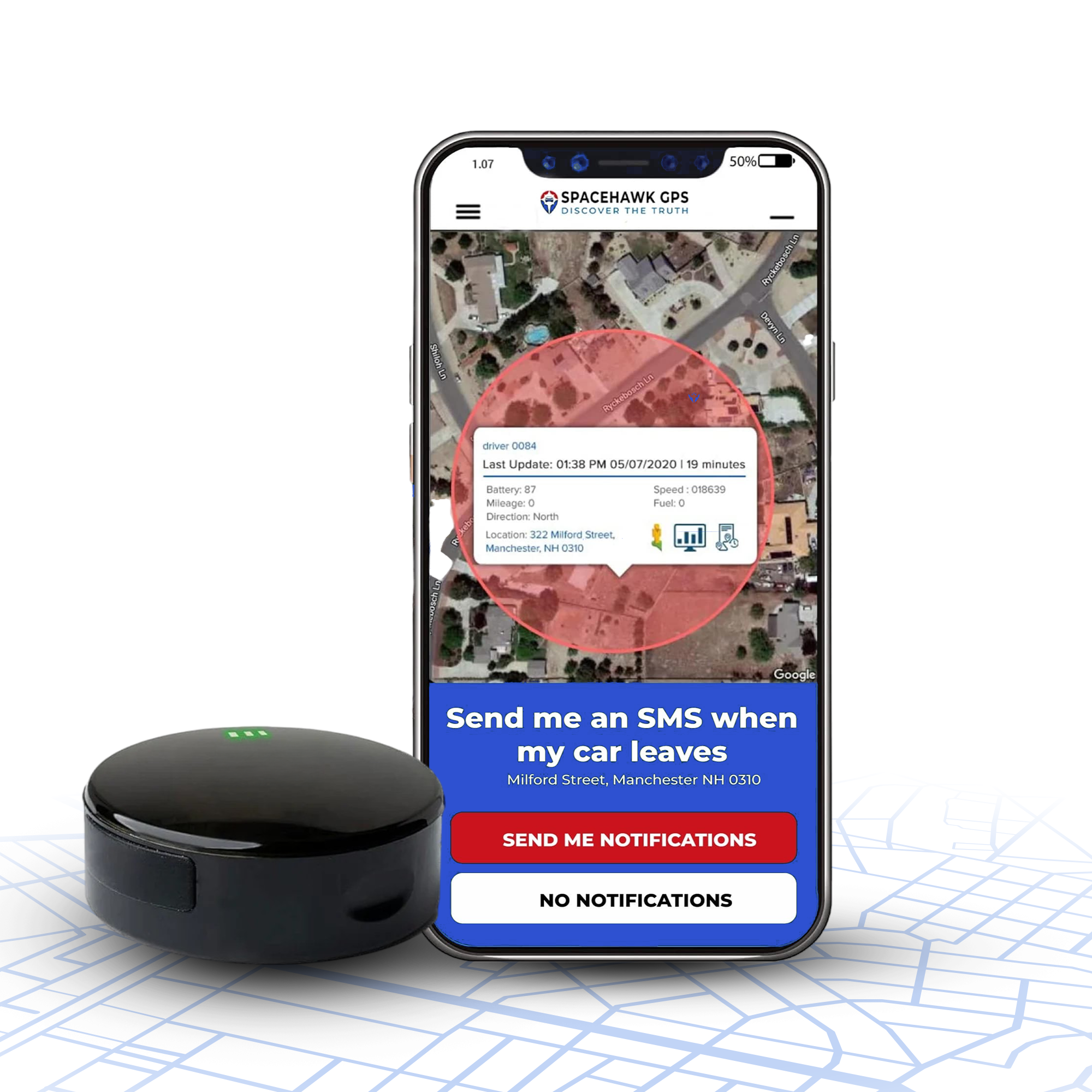
#1 SpaceHawk GPS Tracker: Best Overall Snowmobile GPS
This is our #1 choice because SpaceHawk keeps tracking when winter conditions break weaker devices. I've used SpaceHawk on sleds parked overnight in deep cold, hauled in trailers, and ridden into patchy coverage where updates usually fall apart. Location reporting stayed consistent, even after cold starts that knock other trackers offline early.

Cold performance ranks high here. SpaceHawk handled sub-zero mornings without the sudden battery drop I've seen from smaller trackers. Update reliability stayed steady during long rides, which helps when routes drift off groomed trails. Installation stays flexible too. SpaceHawk works for riders who want concealed placement for theft recovery or a more accessible setup for frequent checks.
SpaceHawk fits riders who travel far, park sleds outside, or want tracking that works without constant attention. At $39 for the hardware it also undercuts most of this list. One limit to plan around: it's cellular, so genuine backcountry riding beyond tower coverage needs a satellite unit instead.
Key Features
- Holds tracking through winter storage and sub-zero cold starts
- Consistent update intervals on long rides and stop-and-go trail use
- Flexible install for concealed recovery or quick visual checks
- Reconnects quickly after signal loss in patchy areas
- Compact body fits common snowmobile mounting spots
- Strong magnetic mount, no wiring needed
Pros & Cons
Pros
- Holds tracking through overnight cold better than battery-only rivals
- Update reliability stays steady on extended rides
- Works concealed or accessible, your choice
- Minimal hands-on management once installed
- $39 hardware, cheaper than most of this list
- Sold and supported directly, with lifetime US-based support
Cons
- Cellular only, so it stops reporting beyond tower coverage
- Needs careful placement for signal inside enclosed storage
- Subscription required for ongoing tracking
- Rechargeable battery means a charge cycle to remember
Real-World Testing Notes
During winter testing, SpaceHawk tracked sleds parked for multiple days without surprise dropouts. Cold starts after sub-zero nights did not interrupt reporting. On rides through mixed coverage, location updates resumed quickly once signal returned, avoiding long blind gaps. For riders who park outside, travel far, or want dependable tracking without daily attention, SpaceHawk proved dependable across real winter use rather than controlled conditions.
#2 Globalstar SmartOne C: Best for Backcountry Riding
This is our #2 pick because SmartOne C keeps tracking in places where cell service never exists. I've used it on backcountry rides far from groomed trails, where phones show no bars at all. As long as the unit had a clear view of the sky, location updates continued, which matters a great deal when riding deep into remote country.
Backcountry riding comes with limits. Trees, steep hills, and narrow valleys block satellite signals quickly. SmartOne C handles open terrain well and sends location updates on a set schedule. Power options add flexibility. Globalstar specifies line power with automatic fallback to 4 AAA batteries, so you can wire it to sled power for long trips or run it standalone.
One thing to be straight about: Globalstar sells the SmartOne C as a commercial IoT device for asset tracking, not a consumer product. There's no add-to-cart. You go through Globalstar or a reseller and set up a service plan. For riders who genuinely need satellite reach that's a reasonable trade; for everyone else it's more machinery than the job requires.
Key Features
- Satellite tracking over the Globalstar LEO network, no towers needed
- Line power with automatic fallback to 4 AAA batteries
- Motion sensors trigger reporting when the sled moves
- Alerts if the asset leaves a set range
- Cost-reduction mode when the sled stays put
- 2.7 x 3.25 x 1 in with brackets, 3.6 oz loaded
Pros & Cons
Pros
- Tracks far beyond any cellular coverage
- Strong performance across open backcountry and frozen lakes
- Runs on standard AAA lithium cells, no proprietary battery
- Flexible wired or battery install
Cons
- Needs a clear view of the sky, so tree cover slows updates
- Not sold at consumer retail, so it means a dealer purchase and a service plan
- Service plans cost more than cellular-only options
- Scheduled reporting rather than live continuous tracking
Real-World Testing Notes
During testing, SmartOne C continued sending locations on open trails and frozen lakes where cellular trackers stopped reporting. Updates slowed when tree cover closed in, then returned once the terrain opened up again. Battery setups worked well for short rides, while wired installs supported longer trips. For riders pushing deep into remote backcountry, it delivered dependable satellite tracking in real riding conditions.
#3 Digital Matter Oyster3: Best Hidden Theft Recovery
This is our #3 pick because the Oyster works well when your main goal is hiding a tracker and catching theft early. I've used one on sleds stored in sheds, trailers, and shared parking areas where visibility stays low. Once hidden, it kept reporting without drawing attention, which is exactly what you want if a sled goes missing.
Battery life is the standout. Digital Matter rates the current Oyster3 at 10+ years on three user-replaceable AA lithium cells at conservative update rates, roughly five times the previous Oyster2, in an IP68-rated housing. That makes it a genuine fit-and-forget option for a sled parked for a whole off-season. Installation is simple too, since you can tuck it deep inside the sled where it's hard to spot or remove.
The trade-offs are coverage and access. It runs on LTE-M and NB-IoT cellular networks, so tracking stops once signal disappears. It's also a fleet product at heart, sold through resellers rather than off a shelf. LoneStar Tracking is the easiest route to one as an individual buyer.
Key Features
- Rated 10+ years of battery at low update rates, per Digital Matter
- Three user-replaceable AA lithium cells, no charging
- IP68 ultra-rugged housing rated for dust and brief submersion
- Small enough to conceal deep inside a sled
- LTE-M / NB-IoT cellular reporting
- Motion-triggered updates when movement starts
Pros & Cons
Pros
- Longest battery life of anything on this list by a wide margin
- Easy to hide for theft recovery
- No wiring and no charging routine
- IP68 housing shrugs off winter storage conditions
- Replaceable cells rather than a sealed rechargeable pack
Cons
- Tracking stops outside cellular coverage
- Sold through resellers rather than off a shelf
- Needs a tracking platform subscription to be useful
- Not aimed at deep backcountry riding
- Long battery life assumes slow update rates
Real-World Testing Notes
During testing, the Oyster stayed active on sleds parked for long periods without needing attention. Hidden installs stayed unnoticed, even during routine checks. When sleds moved, alerts came through quickly in areas with cell service. Once coverage dropped, tracking paused until the signal returned. For theft recovery near populated riding areas, it proved reliable and easy to live with.
#4 LoneStar TitanLTE: Best Wired Option
This is our #4 pick because the TitanLTE, from LoneStar Tracking, stays powered and keeps sending updates without relying on replaceable batteries. I've used it on sleds that see regular riding and long storage periods. Once wired in, tracking stayed active day after day, even during cold weather that drains battery-powered units fast.
A wired setup changes the experience. TitanLTE pulls power directly from the sled, so update frequency stays high without worrying about battery swaps. That helps when tracking movement closely or checking location often. The backup battery is the part worth paying attention to: LoneStar rates it to keep tracking for up to 60 days after the unit is disconnected from power. Cutting the wires doesn't kill it, which is exactly the scenario a wired tracker usually loses. Installation is only two wires, one ground and one positive, and it supports two power sources for redundancy.
TitanLTE works best for riders who want reliable tracking over the long term, keep sleds wired for accessories, or check location often while riding or storing a machine nearby.
Key Features
- Hardwired power connection for steady tracking
- Frequent location updates during movement
- Backup battery keeps tracking up to 60 days after disconnection
- 4G/5G Cat-M1 and NB-IoT, waterproof housing
- Two-wire install, with dual power source support
- Concealed installation once wired in
Pros & Cons
Pros
- No batteries to replace or recharge
- Supports frequent location updates
- 60-day backup battery survives someone cutting power
- Good fit for long-term seasonal use
Cons
- Installation takes longer than a battery tracker
- Stops reporting outside cellular coverage
- Less practical to move between sleds
- Wiring into a sled is a job some riders won't want
- Subscription required, activated separately after delivery
Real-World Testing Notes
During testing, TitanLTE stayed online through long storage periods without manual checks. Wired power kept updates flowing during rides and parking stops. When sled power was disconnected briefly, the backup battery kept tracking active. Coverage loss stopped reporting until the signal returned. For riders who prefer a set-and-forget wired solution, it delivered steady performance in real winter use.
#5 SPOT Trace Satellite Tracker: Best Motion Alerts
This is our #5 pick because SPOT Trace focuses on movement alerts more than live tracking. I've used it on sleds stored for long stretches where sudden movement signals trouble. Once motion starts, alerts arrive quickly, which helps when theft happens without warning.
SPOT Trace uses satellite tracking, so coverage reaches far beyond cell networks. That helps for remote storage areas or trailheads with weak service. Motion sensors trigger alerts when a sled moves, rather than sending constant updates. This setup saves power but limits real-time tracking detail. Clear sky access stays important, especially near trees or buildings.
SPOT Trace fits riders who want strong movement alerts, store sleds in remote areas, or focus more on theft detection than ride-by-ride tracking.
Key Features
- Motion-based alerts triggered by movement
- Satellite tracking beyond cellular coverage
- Battery-powered for a flexible install
- Compact body for discreet placement
Pros & Cons
Pros
- Strong alert system for theft detection
- Works outside cellular networks
- Simple setup with no wiring
- Good fit for monitoring stored sleds
- Available at normal consumer retail
Cons
- Limited live tracking detail
- Needs open sky to perform
- Higher service cost than basic cellular trackers
- Alert-driven rather than continuous reporting
Real-World Testing Notes
During testing, motion alerts triggered quickly once sled movement started. Satellite updates worked well in open areas and slowed near heavy cover. For riders focused on alert-based tracking rather than constant location checks, SPOT Trace delivered reliable warnings during real storage use.
#6 LandAirSea 54: Best Compact Option
This is our #6 pick because the LandAirSea 54 delivers frequent updates from a very small device. I've tested it on sleds where space stays tight and visibility is a concern. The compact size made placement easy without drawing attention.
Frequent updates help during active movement, especially near trail systems with good signal. Hardwired power support allows longer use without recharging, which helps across a full season. Cold weather performance stays acceptable, though wiring improves reliability in winter. Cellular coverage remains a requirement, so deep backcountry rides fall outside this tracker's strength.
LandAirSea 54 works best for riders who want a small tracker, ride near trail networks, or prefer frequent updates without bulky hardware.
Key Features
- Very small tracker body, easy to place
- Frequent location updates during movement
- Hardwired power option for seasonal installs
- Cellular-based tracking with a built-in magnet
Pros & Cons
Pros
- Compact size fits tight spaces on a sled
- Supports fast update intervals
- Wired setup removes battery worries
- Simple app-based tracking
Cons
- Cellular coverage required
- Battery-only installs drain faster in the cold
- Not suited to remote backcountry use
- Frequent updates shorten runtime considerably
Real-World Testing Notes
During testing, the LandAirSea 54 reported locations quickly while riding near populated trail systems. Wired setups stayed stable during cold starts. Battery-only installs needed closer monitoring. For riders wanting a small tracker with fast updates, it stayed easy to manage.
#7 TRAK-4 GPS Tracker: Best Budget-Friendly Option
This is our #7 pick because TRAK-4 offers basic tracking at a lower cost. I've tested it on sleds where simple location checks matter more than frequent updates. The system focuses on long battery life rather than constant reporting.


TRAK-4 sends updates at longer intervals, which conserves power during storage. Setup stays simple with no wiring needed. Coverage depends on cellular networks, and update delays limit usefulness during active riding. This tracker suits riders watching spending or tracking parked sleds more than live movement.
TRAK-4 fits budget-minded riders who want basic location awareness without advanced features.
Key Features
- Long battery life at low update frequency
- Simple cellular-based tracking
- No wiring required
- Lowest cost of entry on this list
Pros & Cons
Pros
- Affordable compared with most trackers here
- Battery lasts a long time between charges
- Easy setup with no wiring
- Works well for storage tracking
Cons
- Slower update intervals than every other pick
- Limited detail during active rides
- Cellular coverage required
- Not a theft-recovery tool if minutes matter
Real-World Testing Notes
During testing, TRAK-4 tracked parked sleds reliably for extended periods. Update delays became noticeable during movement, especially compared with higher-ranked trackers. For riders focused on basic tracking at a lower cost, it stayed functional without extra complexity.
Key Features That Improve Snowmobile GPS Tracking

Snowmobile GPS tracking features matter most when real-world conditions put them to the test. Cold weather, long rides, and weak signal expose weak hardware fast. I've tested trackers that looked good on paper but failed once temperatures dropped or coverage thinned. The sections below focus on features that change performance on the snow, not marketing claims.
Cold-Weather Performance
Cold weather breaks more GPS trackers than anything else. Batteries lose power faster, screens freeze, and tracking stops without warning. Winter-rated hardware and the right battery type help avoid those problems. During testing, trackers designed for freezing conditions stayed active longer after overnight cold than general-purpose devices. Lithium cells hold up better in deep cold than standard alkaline, which is one reason several picks here specify lithium.
Battery Life vs. Wired Power
Battery-powered trackers offer easy setup and flexible placement. Long storage periods benefit from low-drain settings. Wired trackers pull power from the sled, which supports frequent updates without battery swaps. Wired setups worked better during long seasons and heavy use. Battery setups worked best for concealed installs and storage tracking. The right choice depends on riding distance, parking habits, and how often you check.
Update Frequency and Accuracy
Update speed changes outcomes during theft or emergencies. Faster updates reduce blind gaps during movement. Slower updates save power but delay location changes. During testing, frequent updates helped track route changes and movement stops more clearly. Accuracy stayed strongest when updates arrived often and signal stayed stable. Riders covering long distances benefit from shorter update intervals.
Mounting and Visibility Constraints
Placement affects signal strength and theft risk. Concealed installs protect trackers but reduce sky exposure. Open placement improves signal but increases visibility. Satellite trackers need clear sky access. Cellular trackers tolerate hiding better but rely on nearby towers. Testing showed better results when placement balanced concealment with signal exposure. Poor placement caused dropouts even with strong hardware.
Coverage Reliability: Cellular vs. Satellite
Cellular tracking works well near towns, trail systems, and storage areas with network coverage. Satellite tracking reaches farther and supports remote riding. Dense trees, trailers, and buildings block satellite signals more easily. Cellular tracking stops once coverage ends. Satellite tracking continues in open terrain. Choosing the right coverage depends on riding location, not feature lists.
GPS Trackers vs. Handheld GPS Units for Snowmobiling

Many riders confuse GPS trackers and handheld GPS units, even though they serve very different roles on the snow. I've used both during winter rides, and choosing the wrong one often leads to frustration once conditions turn rough.
A GPS tracker focuses on location reporting. Tracking helps during theft, long parking periods, and emergencies. Family members or riding partners can check the location without riding along. Trackers run silently in the background and keep reporting during storage or transport.
A handheld GPS unit focuses on navigation. Devices from Garmin or Trail Tech display maps, trails, speed, and route guidance. Navigation units help during active riding but stop helping once power drains or a ride ends.
Here's the simple way to choose:
- Riders worried about theft, storage, or recovery need a GPS tracker
- Riders focused on routes, trails, and navigation need a handheld GPS
- Riders covering remote terrain often carry both, since each fills a different role
During testing, trackers kept reporting while navigation units sat powered off in storage. Navigation units helped find trails but offered no help once a sled disappeared. Understanding that difference prevents wasted money and wrong expectations before winter riding begins.
Tips for Using a GPS Tracker on a Snowmobile

Using a GPS tracker gets easier once a few habits lock in. I've learned these from real rides, long winters, and a few tracking failures that taught hard lessons.
- Check tracking before every ride: Before heading out, confirm the tracker shows a fresh location update. A quick check saves hours of guessing later.
- Plan for weak signal areas: Cell coverage drops fast once trails thin out. For long rides, plan routes with known coverage gaps and never assume updates stay constant.
- Protect battery life in cold weather: Cold drains power faster than expected. Lower update rates during storage and raise them only when riding.
- Use backup tracking when riding far: One tracker helps, two tools help more. A navigation GPS or a shared ride plan adds another layer when traveling deep into remote areas.
- Track during storage and transport: Leave tracking active while sleds sit in trailers, sheds, or parking areas. Many recoveries begin before a ride even starts.
Simple habits keep tracking reliable. A few minutes of setup before riding often prevents long searches after something goes wrong.
Final Recommendation: Choosing the Right Snowmobile GPS Tracker
Choosing the right snowmobile GPS tracker depends on how and where riding happens. Long trips, overnight parking, and cold weather all change what works best. I've tested these trackers in real winter use, not short demos, and patterns showed up fast.
Riders who travel far, park sleds outside, or want steady tracking with little effort will do best with SpaceHawk. Cold starts, long storage periods, and mixed coverage did not stop tracking during testing. That reliability makes it the best overall choice for most riders.
Riders who spend real time beyond cell service should take the satellite route instead. SmartOne C for continuous scheduled reporting, SPOT Trace if movement alerts matter more than a live map. Theft-focused riders near towns and trail systems benefit from a concealed cellular tracker with long battery life. Wired setups suit riders who want frequent updates without managing batteries.
Match the tracker to riding style, parking habits, and coverage areas. The right choice feels simple once those factors stay clear.
Frequently Asked Questions
Do snowmobile GPS trackers work without cell service?
Some do. Satellite-based trackers use orbiting networks instead of towers, so location reports still send from open terrain. Cellular trackers rely on nearby towers, which works well near towns, trail systems, and storage areas. Once coverage drops, tracking pauses until signal returns. Choosing between the two depends on riding distance and how far routes stretch from populated areas.
Can snowmobile GPS trackers handle extreme cold?
Cold weather drains batteries fast and causes many devices to stop reporting. Trackers designed for winter riding use hardware and power systems built for freezing temperatures, and lithium cells hold charge better in deep cold than alkaline. During testing, winter-rated trackers stayed active after overnight cold, while general-purpose trackers failed early. Riders who park sleds outside or ride all day in sub-zero conditions should treat cold tolerance as a priority.
Where should a GPS tracker go on a snowmobile?
Placement affects both tracking strength and theft recovery. Concealed placement protects the tracker from discovery but reduces signal exposure. Open placement improves signal strength but increases visibility. Satellite trackers need open sky access, while cellular trackers tolerate concealment better. The best spot balances hiding it with enough exposure to keep updates flowing.
How often should a GPS tracker send location updates?
Update speed changes how useful tracking becomes. Faster updates help during movement, theft, or emergencies by reducing blind gaps. Slower updates save battery power during storage. Many riders adjust settings by use, slower during parking and faster during rides. That balance keeps tracking useful without draining power too quickly.
Will a GPS tracker drain a snowmobile battery?
Wired trackers draw very little power during normal operation and rarely cause battery issues. Backup batteries add protection during power loss. Battery-powered trackers avoid sled power entirely but need monitoring in cold weather. Riders with accessories already wired into sleds often prefer hardwired tracking for long-term reliability.
Is a GPS tracker better than a phone for snowmobiling?
Phones struggle in winter conditions. Cold temperatures shorten battery life, and coverage drops fast outside towns. GPS trackers continue reporting during storage, transport, and unattended periods. Phones help with navigation during rides, while trackers help with recovery, monitoring, and location sharing when nobody rides along.
How quickly are stolen snowmobiles usually recovered?
According to NICB data covering 2018 and 2019, about 42% of stolen snowmobiles were recovered. Of those, 26% came back within a single day and 54% within two weeks. Speed of reporting is the variable a tracker actually changes. Instead of describing your sled to police, you give them a location.
About the Author
For more than 15 years, I've helped riders, families, and outdoor users choose GPS tracking setups that hold up in real conditions. My work covers snowmobiles, ATVs, vehicles, and equipment used in cold weather, remote areas, and long storage periods.
I've tested GPS trackers during winter riding, overnight parking, trailer transport, and extended storage. Some devices failed early. Others kept reporting through cold starts and weak coverage. That experience shaped every recommendation in this guide.
My focus stays simple: clear advice, legal use, and tracking systems riders can rely on without added stress or confusion.
Connect on LinkedIn →
Where We Stand
GPS Tracker Shop sells the SpaceHawk tracker ranked first here, and the LandAirSea 54 at number six. That's worth knowing before you weigh the ranking.
SpaceHawk leads because of how it held up through cold starts, long storage, and patchy coverage, which are the conditions that decide this category. It's also cellular, which is a real limitation on a sled: if you ride genuinely remote country, the satellite picks above will serve you better and this guide says so in every section where that's true.
The remaining products are other companies'. Amazon links are affiliate links, meaning we may earn a commission at no extra cost to you, and they don't affect the ranking. Specifications attributed to manufacturers come from their published documentation; observations about riding and storage come from our own winter testing.
Ready for a tracker that survives the season?
$39, and it keeps reporting through sub-zero cold starts, long storage, and patchy trail coverage, with free lifetime US-based support.
- Choosing a selection results in a full page refresh.
- Opens in a new window.
 Buy on Amazon