GPS Child Tracking Pendant : 7 Best Wearable Trackers for Kids

Key Takeaways
-
01GPS child pendants show location and send alerts when kids leave safe zones.
-
02AirTag is a Bluetooth item finder, not a GPS tracker, and Apple advises against using it on people.
-
03Jiobit combines GPS and Wi-Fi signals for consistent indoor and outdoor tracking.
-
04AngelSense is built for children with autism or special supervision needs.
-
05GPS accuracy drops in rural areas and buildings with weak signals.
Need continuous real-time tracking, not just a last-seen location?
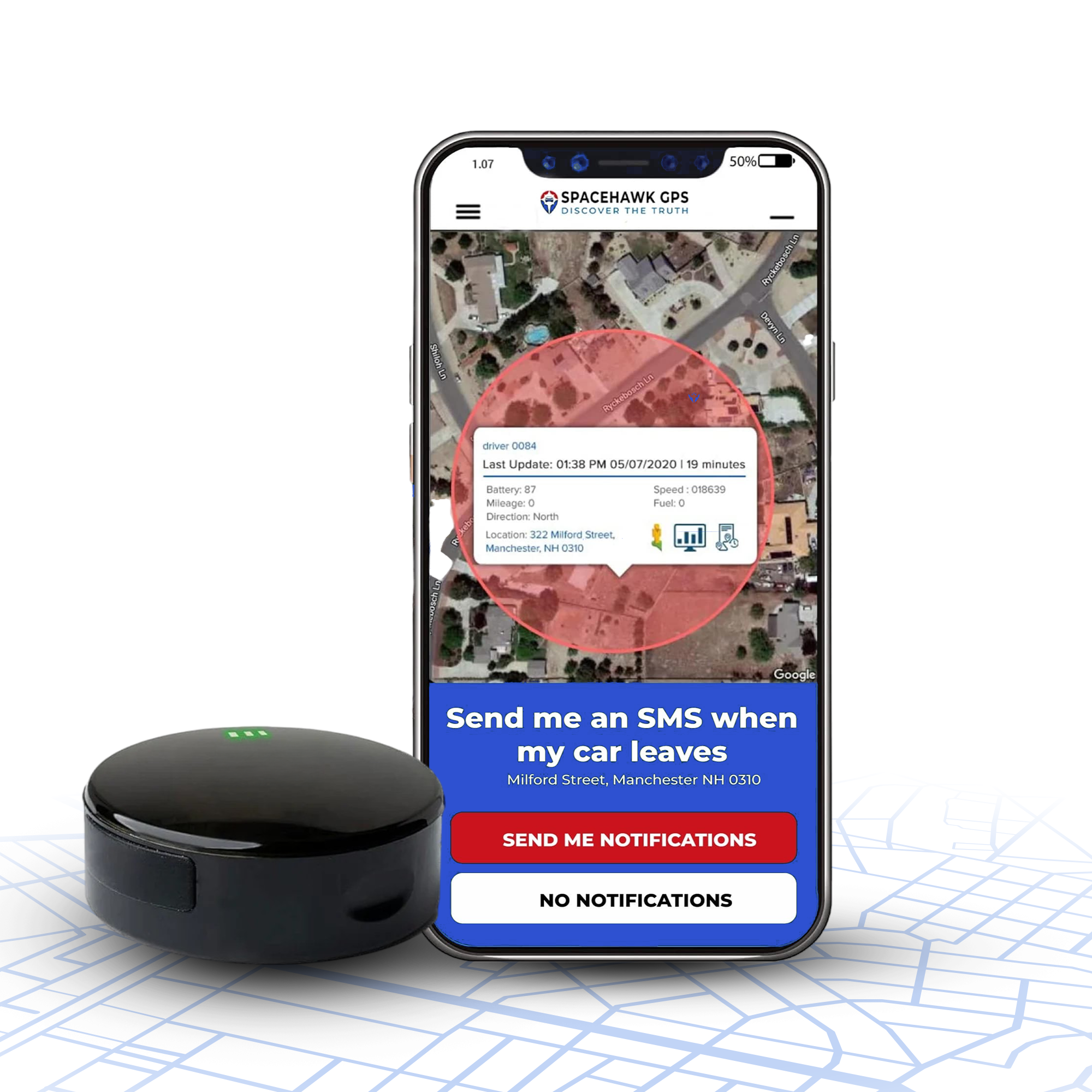
SpaceHawk rides in a backpack and updates the full route every few seconds.
As an Amazon Associate, GPS Tracker Shop earns from qualifying purchases.
The Top 7 GPS Child Tracking Pendants
GPS child tracking pendants help parents keep an eye on their child's location without constant calls, texts, or guesswork. If you've ever watched the clock while your child was walking home from school, heading to a friend's house, or joining a field trip, you know how quickly a few unanswered minutes can turn into worry.
The problem is that not every child GPS tracker delivers the peace of mind parents expect.
Some lose signal indoors, some need charging almost every day, and others provide location updates that arrive too late to be useful. The wrong tracker can leave you with the same uncertainty you were trying to avoid in the first place.
To help you find a device you can actually rely on, we looked at 7 popular GPS child tracking pendants and compared their accuracy, battery life, safety features, ease of use, and overall value. By the end of this guide, you'll know which tracker fits your family's needs, what features are worth paying for, and which devices are best left off your shopping list.
These seven are grouped by the kind of family they suit rather than ranked first to last, because the right answer for a five-year-old with autism is not the right answer for a thirteen-year-old walking to soccer practice.
Track openly, not secretly
Every device below works best when your child knows it's there. Tracking a child covertly damages the trust that keeps them talking to you, and a child who doesn't know about a tracker can't tell you when it falls off, runs flat, or gets left in a locker. Several devices here also include remote listening, which picks up teachers, classmates, and other families who have not agreed to be recorded — check your state's recording laws before switching that on.
| Product | Best For | Top Features | Battery Life | Starting Price | Buy Now |
|---|---|---|---|---|---|
 Apple AirTag Apple AirTag
|
Apple households wanting a cheap bag finder | Up to 1 year | ~$29 | Buy on Amazon | |
 Jiobit Child Tracker Jiobit Child Tracker
|
Everyday real-time child tracking | Up to 10 days | ~$129.99 + subscription | Buy on Amazon | |
 AngelSense AngelSense
|
Children with autism and special supervision needs | Up to 24 hours | ~$44/month, device included | Buy on Amazon | |
 Apple Watch SE Apple Watch SE
|
Older kids who want a smartwatch | Up to 18 hours | ~$249–$299 | Buy on Amazon | |
 Mini A9 Mini A9
|
Budget-friendly wearable GPS tracking | Up to 7 days | ~$30–$50 | Buy on Amazon | |
 Lil Trackers GPS Watch Lil Trackers GPS Watch
|
Younger children needing GPS and calling | Up to 2 days | ~$60–$90 | Buy on Amazon | |
 Bewinner GPS Necklace Bewinner GPS Necklace
|
Older kids who prefer a discreet necklace | Up to 5 days | ~$40–$70 | Buy on Amazon |
Apple AirTag — Cheapest Way to Find a Lost Backpack
The AirTag is a Bluetooth item finder rather than a GPS tracker. It has no GPS receiver and no cellular connection of its own, so it reports a position only when it passes within Bluetooth range of somebody's iPhone. In busy places that produces surprisingly sharp results; in quiet ones it can go a long time without an update.
Read this before putting an AirTag on a child
Apple says not to. Apple's own support documentation states that AirTags and Find My accessories should not be used to track people. It is built to find belongings.
The anti-stalking features work against you here. When an AirTag travels with someone who isn't its owner, nearby iPhones get an unwanted-tracking alert naming it, and the tag itself plays a sound. A child walking home with friends can set off warnings on their friends' phones, and a child without an iPhone will simply hear it start beeping.
The button battery is a hazard. Apple ships AirTags with a warning to keep them away from small children. Swallowed button batteries cause severe internal burns within hours. For a young child, that alone rules out a device worn on the body.
Where an AirTag does make sense: clipped inside a backpack or instrument case that gets left on buses and in classrooms, as a way of finding the bag. Treat it as luggage tracking, not child safety.

Apple AirTag
- Item Location. Uses Apple's Ultra Wideband technology for sharp short-range direction finding when a supported iPhone is close by.
- Notifications. Lost Mode notifies you when the tag is detected by the Find My network.
- User-Friendly Setup. One-tap pairing with your Apple devices and no monthly fee.
Key Features
- Find My App Integration: See the tag's last reported location in the Find My app alongside your other items and family devices.
- Small and No Monthly Fee: Around $29 with no subscription, and small enough to clip to a backpack.
- Fast One-Tap Setup: Pairs with an Apple device in a single tap, and Siri can help locate it.
- Strong Short-Range Accuracy: Ultra Wideband gives very sharp direction finding when close to a UWB-capable iPhone.
- Relies on Apple's Device Network: No cellular connection of its own; nearby Apple devices relay its position, so it performs best in crowded places.
Pros & Cons
Pros
- Cheapest option here at around $29
- No subscription, ever
- Battery lasts about a year
- Excellent for finding a misplaced bag in a crowded building
- Nothing new to learn for Apple households
Cons
- Apple states it should not be used to track people
- Button battery is a choking and burn hazard for young children
- Triggers unwanted-tracking alerts on other people's phones
- Beeps audibly when separated from its owner
- No GPS, no real-time updates, no SOS button, no two-way calling
- Updates slow badly in rural or quiet areas

AirTag wristbands for kids
If you do use an AirTag, a dedicated waterproof wristband holds it more securely than a clip and keeps it in one piece through sports and outdoor play. Note that a wristband puts the button battery directly on the child, so this suits older kids rather than toddlers.
 Buy on Amazon
Jiobit Child Tracker — Best for Clothing and Everyday Wear
Jiobit provides fast, nationwide real-time tracking by combining GPS, Wi-Fi, Bluetooth, and cellular signals for consistent updates indoors and outdoors. Unlike a Bluetooth tag, it doesn't depend on other people's phones being nearby. The tradeoff is a higher price and a required subscription.

Jiobit GPS Tracker For Kids
- Compact and Child-Friendly. Easily attaches to kids' clothing or bags.
- Custom Alerts and History. Get notified of movements and review location history.
- Secure and COPPA Compliant. Built around children's data privacy requirements.
Key Features
- Compact Design: Small and light enough to clip to clothing, shoes, or a backpack, and hard for a child to remove accidentally.
- Nationwide Tracking: Uses GPS, Wi-Fi, and Bluetooth together to hold a signal in most places and update in real time.
- Smart Alerts: Custom arrival and departure notifications, with a timeline showing where your child has been.
- Trusted Places: Save locations like school or a caregiver's home for automatic recognition.
- SOS Mode: Sends emergency details when triggered.
- Care Teams: Lets other trusted adults help with monitoring.
- Enhanced Security: A dedicated security chip protects location data, and the device is COPPA compliant.
Pros & Cons
Pros
- Purpose-built for children rather than adapted from an item tag
- Updated within one to two seconds of opening the app in our checks
- Keeps working in parks and quiet neighborhoods with no phones nearby
- Geofence alerts arrive quickly
- Clips discreetly to clothing and stays put
- COPPA compliant with a dedicated security chip
Cons
- One of the more expensive options at around $129.99
- Subscription runs roughly $100 per year on top
- Battery needs charging every week or so
- No two-way calling
The Jiobit functions as a true GPS tracker built specifically for kids rather than a general item tag. Location updates continue even when no nearby devices can assist, which helps in parks, playgrounds, or quieter neighborhoods. A child can move freely without noticing the device, and parents still get consistent, dependable tracking.

AngelSense — Best for SOS and Special-Needs Support
AngelSense offers continuous real-time tracking with advanced safety tools such as voice monitoring, SOS, and secure emergency communication. For families managing autism or other special supervision needs, the feature set has no real equivalent here. The tradeoff is a steeper learning curve and the highest running cost on this list.

AngelSense Personal GPS Tracker For Kids
- Real-Time Tracking. Built for children with autism and special needs.
- Proactive Alerts. Assistive speakerphone with auto-answer, plus an SOS button.
- Sensory-Friendly. Simplified app interface and a sensory-sensitive wearing sleeve.
Key Features
- Well-Being Tools: Pill reminders, a photo ID for emergency workers, and search-and-rescue alerts for children who may wander.
- Real-Time Tracking: Continuous location updates indoors and outdoors.
- Instant Alerts: Flags unexpected movement, such as leaving school early or not arriving somewhere on schedule.
- Communication Tools: Assistive speakerphone plus an SOS button the child can press.
- Safe Ride Monitoring: Tracks bus or car rides and notifies you of delays, long stops, or route changes.
- Emergency Location Sharing: Share a live location with a search team or trusted adults.
- One-Way Listening: Lets you hear the child's surroundings — see the recording-law note above before using it.
Pros & Cons
Pros
- Deepest safety toolkit of any device here
- Designed around wandering and elopement risk
- Sensory-friendly and non-removable wearing options
- Support team includes parents of children with similar needs
- Safe ride tracking catches drop-off and route problems
- Device is included with the subscription
Cons
- Highest ongoing cost here at roughly $44 per month
- Steep learning curve because of the breadth of features
- Shortest battery life on this list at around 24 hours
- More device than families needing plain location tracking require
AngelSense is built for children who may need extra supervision, including kids with autism or sensory needs. These features give parents more than location updates — they offer reassurance during real-life situations. Some families report discovering bus drop-off mistakes through the alert tools.
Apple Watch SE — Best for Older Kids Who'll Actually Wear It
The Apple Watch SE provides full GPS tracking, fall detection, and SOS support through Apple's Family Setup, giving older kids a safety device they actually want to wear. Fall detection, live routes, and safe-zone alerts held up reliably across school commutes. The tradeoff is a price well above a dedicated pendant and a pile of features younger kids don't need.

Apple Watch SE
- Fall Detection. Automatically alerts contacts during hard falls.
- Parental Connection. Integrates with your iPhone for monitoring and communication.
- SOS. Quick access to help in emergencies.
Key Features
- Fall Detection: Alerts emergency contacts if the watch detects a hard fall.
- Parental Connection: Links to your iPhone so you can check location, send messages, and manage settings.
- SOS Button: Press and hold the side button to call for help.
- Full GPS Tracking: Real-time location, route history, and geofencing, all managed from your iPhone.
- Apple Ecosystem Access: Apps, messages, and calls on the cellular model, with no iPhone needed for the child.
- Health Tools: Steps, activity, heart rhythm, and standing time.
- Swim-Safe Design: Water resistant enough to swim with, not just splash-resistant.
Pros & Cons
Pros
- Real GPS with route history and geofencing
- Doesn't look or feel like a tracker, so older kids keep it on
- Fall detection and SOS built in
- Two-way calling and messaging without a phone
- Safe to swim in
Cons
- Most expensive device on this list
- Cellular model needs a monthly carrier line on top
- Around 18 hours of battery, so it needs charging nightly
- Far more features than most younger children need
- Easy for a child to take off and leave behind
The Apple Watch SE is not a kid-specific GPS tracker, but it works like one when set up with Family Setup. That matters because older children and teens often refuse to wear anything that looks like a tracker. A smartwatch feels like a want rather than a rule, which is usually the difference between a device that gets worn and one that lives in a drawer.
Mini A9 GPS Necklace — Cheapest Wearable With Calling
The Mini A9 offers basic real-time tracking using GPS outdoors and Wi-Fi/LBS indoors in a lightweight necklace-style design. It wins on simplicity and price. The tradeoff is weaker accuracy than premium trackers, especially indoors.
Know what you're buying
The "A9" is a generic device design sold by many unrelated sellers under different names, often alongside the A8, GF07, and GF09. There is no single manufacturer standing behind it, which means no consistent firmware, no support line, and no accountable answer about where your child's location data is stored or who can see it. Several listings in this family are marketed primarily as covert audio-surveillance devices. If the tracker will be worn daily by a child, a named brand with a published privacy policy is worth the extra money.

Mini A9 Child GPS Tracking Pendant
- Multi-Mode Positioning. GPS outdoors and Wi-Fi/LBS indoors.
- Two-Way Voice. Emergency SOS button and calling for quick help.
- Geofence Notifications. Alerts if the child exits a predefined safe zone.
Key Features
- Comprehensive Positioning: GPS outdoors with Wi-Fi and LBS fallback when the GPS signal is weak.
- SOS and Two-Way Voice: An SOS button plus simple two-way calling.
- Geofence Alerts: Set a safe zone and get notified when your child leaves it.
- Cross-Platform Access: Works from Android, iPhone, or a computer.
- Voice Monitoring: A listening mode for the surroundings — see the recording-law note above.
Pros & Cons
Pros
- About the size of a small coin and light enough to forget
- Looks like a necklace rather than a gadget
- Up to 7 days of battery
- SOS and two-way calling at a low price
Cons
- Weaker accuracy than purpose-built child trackers
- No single manufacturer, so support and firmware are inconsistent
- No clear answer on where location data is stored
- No fall detection, ride tracking, or special-needs tools
- Indoor positioning varies a lot by building
Lil Trackers GPS Watch — Best Budget Smartwatch for Younger Kids
Lil Trackers combines GPS, Wi-Fi, and LBS location signals with calling, messaging, and an SOS button in a kid-friendly smartwatch. It delivers the essentials at a fraction of an Apple Watch. The tradeoff is that accuracy and interface polish trail the higher-end devices here.

Lil Trackers Child GPS Watch
- SOS Emergency Button. Instantly alerts up to three pre-set contacts.
- Voice Calls and Messaging. Two-way communication and voice messages.
- Safety Zones. Geofencing alerts if the child leaves a designated area.
Key Features
- Versatile Positioning: GPS, Wi-Fi, and LBS together so the watch updates even when one signal is weak.
- Two-Way Voice Calls: Kids can call you and you can call them.
- SOS One-Key Calling: Holding the SOS button triggers an emergency call to preset contacts.
- Geofencing Alerts: Set a safe boundary and get alerted when your child leaves it.
- 4G LTE: Faster updates than 2G-era kids' watches.
- Remote Listening: A built-in microphone can pick up surrounding sound — see the recording-law note above.
Pros & Cons
Pros
- Most of the essentials at well under Apple Watch money
- Runs on 4G LTE for quicker updates
- Bright, kid-friendly colors younger children like
- Simple enough for a young child to operate
- Two-way calling and SOS built in
Cons
- Around 2 days of battery, so charging is a routine
- Tracking accuracy varies with signal strength
- Interface is simpler and less polished than premium options
- No fall detection or ride monitoring
- Easily removed by a child who doesn't want it on
Related Guide: Best Portable GPS Trackers — compact options for kids, vehicles, and assets
Bewinner GPS Necklace — Most Discreet for Older Kids
The Bewinner tracker provides basic GPS, Wi-Fi, and LBS positioning in a discreet necklace design that older kids are more willing to wear, with simple SOS and two-way calling built in. The tradeoff is that accuracy lags the more advanced trackers here and indoor updates can be slow.

Bewinner GPS Child Tracking Pendant
- Necklace Design. Portable and child-friendly with history tracking and geofencing.
- Safety Functions. SOS button, two-way communication, and privacy mode.
- Cross-Platform Access. Trackable via Android, iOS, and computer.
Key Features
- Multiple Positioning Systems: GPS, Wi-Fi, and LBS working together to improve accuracy across environments.
- SOS and Two-Way Voice: An SOS button plus two-way calling for quick check-ins.
- Flexible Power Modes: Update every minute, every ten minutes, or hourly — slower updates stretch the battery.
- Geofence and Location History: Safe-zone alerts plus stored past locations for reviewing the day.
- International Tracking: Works outside the US, useful for travel.
Pros & Cons
Pros
- Looks like jewelry rather than a tracking device
- Light and comfortable enough to wear all day
- Up to 5 days of battery at moderate update intervals
- Adjustable update rate to trade speed for battery
- Good fit for kids who refuse an obvious tracker
Cons
- Lowest accuracy on this list, especially during fast movement
- Location updates can arrive slowly
- Indoor positioning varies with building layout
- No fall detection or ride monitoring
- A necklace can be pulled off or lost during play
Benefits of Child Tracking Pendants
Child tracking pendants give parents quick location updates and a stronger sense of safety throughout the day. Knowing where your child is helps reduce stress, especially for families with children who need extra support. These devices do more than show a dot on a map. They help parents respond fast, stay connected, and give kids more freedom while still keeping them safe.

- Helps you confirm your child is at school during regular school hours.
- Supports safe independence, giving kids room to explore while you stay informed.
- Geofence alerts notify you when your child leaves a trusted area such as home, school, or a caregiver's house.
- Two-way calling and messaging on some devices let you check in without sending an extra phone.
- Useful during travel, since many trackers work in different countries.
- SOS buttons allow a child to call for help right away and send their location.
- Location history helps you see patterns in your child's routine, like time at school, after-school activities, or a friend's house.

Emergency Alert Bracelets
One additional safety layer that works alongside any GPS tracker: a child ID bracelet. If a child becomes separated and is unable to communicate their name, address, or parent's phone number, a medical ID or personalized safety bracelet gives first responders and good Samaritans immediate access to critical information — no battery, no signal, and no subscription required.
Drawbacks of Child Tracking Pendants
Child tracking pendants offer many benefits, but they also come with limits parents should understand before buying. Setting expectations correctly is most of the battle.
- Privacy concerns: These devices collect a continuous record of where your child goes. Choose brands that publish a privacy policy and say plainly how long they keep that data.
- Frequent charging: Many small trackers need charging every few days. A device that isn't charged is a device that isn't working.
- Weaker accuracy in low-signal areas: GPS is less reliable in rural areas, forests, and mountains, exactly where you might most want it.
- Trackers get misplaced: A watch, necklace, or clip-on can fall off during sports or play, and younger kids forget to put them back on.
- Monthly subscriptions: Some require a paid plan for real-time updates, so the listed device price is rarely the real cost.
- Contracts: A few brands require a long-term agreement, so read the terms before buying.
- False reassurance: A tracker shows where a device is, not whether a child is safe. It's a supplement to supervision and communication, never a replacement.
Key Features That Matter in a GPS Child Tracking Pendant
Tracking
Real-time location tracking
Fast updates let you see exactly where your child is — at the park, walking to school, or between activities.
Safety
SOS button function
Gives your child one simple way to call for help, connecting directly to you or your emergency contacts.
Power
Battery life
24h+
Minimum target
7 days
Low-update mode
- Power-saving modes for longer trips
- Low-battery alerts so you're never caught off guard
Zones
Geofencing
Draw safe zones around home, school, and caregivers' houses. Get an alert the moment your child enters or leaves.
- Multiple custom zones per device
- Fast, reliable entry and exit alerts
- Clear zone maps with visible boundaries
Communication
Two-way voice
Let your child call you directly with no smartphone needed — useful for reassurance or a quick check-in.
History
Location history
Replay the day's stops and routes from the app to understand your child's normal patterns.
Experience
Ease of use and setup
A clean, intuitive app reduces stress on busy school mornings
Quick pairing and easy first-time setup out of the box
Simple pendants often outperform complex smartwatches for young kids
How to Use a Child GPS Tracker the Right Way
GPS trackers help keep your child safe, but they should be used in a way that builds trust rather than fear. Handled well, they support healthy independence and open communication.
- Tell them, and explain why. Talk to your child before using the tracker. When kids understand the purpose, they're more comfortable wearing it — and far more likely to tell you when it's lost or flat.
- Set clear boundaries. Say what you'll check and what you won't. Simple, fair rules protect their privacy while still keeping them safe.
- Use it as a support tool. A tracker shouldn't replace regular check-ins or conversations. Think of it as a backup for busy days, not your main way of staying connected.
- Give your child space. Avoid checking constantly. Kids need room to learn and explore, so lean on alerts rather than watching a live map.
- Keep it positive. Present the tracker as something that helps them stay safe and confident, not as a punishment or a leash.
- Revisit it as they grow. What's appropriate for a seven-year-old isn't appropriate for a fifteen-year-old. Plan to loosen it over time.
Choosing the Right Child Tracking Pendant
Each tracker in this guide suits a different family. Some offer simple short-range finding, while others provide advanced tools for communication, alerts, and daily routines. The best choice depends on your child's age, comfort level, and the kind of monitoring your family actually needs.
Most parents choose pendants because they're light, easy to wear, and unobtrusive. But some families want a device that keeps reporting continuously through school trips, carpools, and busy schedules.
If that's you, it's worth looking beyond wearables at a dedicated GPS tracker you can put in a backpack or jacket pocket. That's where SpaceHawk fits — not a pendant, but a device delivering true real-time tracking with fast updates and detailed movement history. Because it rides in a bag rather than on a lanyard, it can't be pulled off in the playground and it won't get taken off and forgotten.
A pendant gives parents a steady sense of safety through the day. A tracker like SpaceHawk works better when you need continuous accuracy across a whole route. Either way, tell your child it's there.

SpaceHawk GPS Tracker: Real-Time Tracking for Backpacks and Bags
When a pendant isn't enough, SpaceHawk goes inside a backpack, jacket pocket, or school bag and sends real-time location updates every few seconds straight to your phone. It stays put in the bag rather than on a lanyard that can be pulled off, and the battery outlasts most wearables by a wide margin. Built for parents who need a continuous route, not just a last-seen location.
- ✓Real-time GPS location updates every 3 seconds
- ✓Instant geofence alerts when safe zones are crossed
- ✓Full route history, see every stop and movement
- ✓Waterproof and durable for outdoor and school use
- ✓Multi-week battery life on a single charge
Frequently Asked Questions
Can I use an Apple AirTag to track my child?
You can attach one to a bag, but Apple states its Find My accessories should not be used to track people. An AirTag has no GPS and no cellular connection, so it only reports a position when it passes near someone's iPhone. It also plays a sound and triggers unwanted-tracking alerts on other people's phones when it travels away from its owner, and its button battery is a serious hazard for young children. Treat it as a way to find a lost backpack, not as child safety equipment.
Should I tell my child they're being tracked?
Yes. A child who knows about the tracker can tell you when it falls off, runs out of battery, or gets left in a locker — which is when tracking fails in practice. Secret tracking also damages the trust that keeps children talking to you, and that trust is worth more to their safety than any device.
Which tracker works best for a child with autism?
AngelSense. It's built specifically around wandering and elopement risk, with search-and-rescue alerts, a photo ID for first responders, sensory-friendly wearing options, non-removable attachment, and safe ride monitoring. No other device here comes close on that feature set, though it also carries the highest monthly cost.
Do child GPS trackers need a monthly subscription?
Most do, because real-time tracking needs a cellular connection. Jiobit, AngelSense, and the various kids' watches all require a plan. The AirTag is the exception with no subscription, but that's because it isn't a cellular tracker at all. Always add the plan cost to the device price when comparing.
Is it legal to listen in through a tracker's microphone?
That depends on where you live. Several devices here include remote listening, and switching it on captures teachers, classmates, and other families who haven't agreed to be recorded. Some states require every party to a conversation to consent. Check your state's recording laws before using the feature, and treat it as a last resort rather than a daily habit.
What battery life should I look for?
Twenty-four hours is the practical minimum for a device worn during school hours, and anything under that means charging becomes a daily routine somebody will eventually forget. Devices offering a low-update mode can stretch to a week, which is the better choice for younger children who won't manage charging themselves.
Where We Stand
GPS Tracker Shop sells the SpaceHawk tracker recommended at the end of this guide. We're saying so plainly because it should change how you read that recommendation.
SpaceHawk is the tracker we stock because of how it placed against a long list of portable trackers we've tested over the years, on update speed, signal recovery, and battery life. That's also why it isn't in the seven above: it's a bag tracker, not a wearable pendant, and it has no SOS button or two-way calling. For a child who needs to be able to call for help, one of the devices on this list is the better buy, and this guide says so.
The seven products above are other companies' devices. Amazon links throughout this guide are affiliate links, meaning we may earn a commission if you buy through them at no extra cost to you. Which products appear here and how they're assessed is not affected by those relationships. Specifications come from manufacturer documentation and current retailer listings.
About the Author

Frequently Asked Questions
How Far Do Child GPS Pendants Work?
Are GPS Necklace Trackers Safe For Kids To Wear?
Do Child GPS Trackers Work Indoors?
Is It Possible To Put A GPS Chip In Your Child?
What Age Is Best for a Child GPS Tracker?
- Choosing a selection results in a full page refresh.
- Opens in a new window.