The Top 7 GPS Child Tracking Pendants
GPS child tracking pendants help parents see a child’s location quickly and get alerts when something seems wrong.
If you ever worry while your child is at school, a friend’s house, or the playground, you are not alone. Many parents want a simple way to check that their child is safe without calling or texting all day.
We tested several popular GPS pendants and looked at four things that matter the most to families: location accuracy, update speed, ease of use, and overall value for the money. Each device on this list shows your child’s location on your phone, and many can send alerts when your child leaves a safe area.
We focused on trackers that are simple to set up, comfortable for kids to wear, and affordable enough for everyday use.
Before choosing a pendant, it helps to read real customer reviews. Some products claim to be waterproof or extremely accurate, but many do not perform well once tested in real life. A few we tried stopped working after light splashes or lost signal across a neighborhood. This review highlights the strengths and weak points you should know, but doing a little extra research always helps.
Disclaimer: We want to assure parents like yourself that we have not received any compensation from the companies or products mentioned in this list. At GPS Tracker Shop, our goal is to provide parents with a helpful guide of GPS child tracking pendant devices designed to enhance child safety. This is a comprehensive list of 7 products designed to help you make informed decisions, but it’s not a ranking from best to worst. Now, let’s explore these GPS trackers for kids that can add an extra layer of security for your family!
Apple AirTag – Best Wearable GPS for Tracking a Child
The AirTag provides very accurate short-range location in busy areas by using Ultra Wideband and Apple’s Find My network.
This is our #1 pick because the AirTag is simple, low-cost, and delivers strong indoor accuracy where many Apple devices are nearby. Here’s why: its UWB precision gives meter-level accuracy near a compatible iPhone, and there’s no monthly fee. Objection: it lacks its own cellular link, so updates slow in rural areas.
|
|
Apple AirTag - Best For Child Safety
-
Location Tracking. Utilizes Apple's advanced Ultra Wideband technology, offering accurate location tracking for monitoring your child's whereabouts
-
Notifications. If your child goes beyond a set distance, AirTag enters Lost Mode, sending instant notifications to your phone.
-
User-Friendly Setup. Easy to set up and link to your Apple devices, ensuring quick deployment for monitoring your child's safety.
|
|
Key Features
- Find My App Integration: You can see your child’s location through the Find My app on your iPhone or iPad. The app also lets you track other items or family devices in one place.
-
Small and No Monthly Fee: The AirTag costs about $29, and there is no subscription. This makes it one of the most affordable long-term options for parents. The tag is small enough to clip onto a backpack or place inside a pocket.
-
Fast One-Tap Setup: You can connect the tag to your Apple device with a single tap. You can also ask Siri to help you locate the tag when needed.
-
Strong Short-Range Accuracy: AirTag uses Ultra Wideband (UWB) technology. This gives very sharp accuracy when the tag is close to an iPhone that supports UWB.
-
Uses Apple’s Large Device Network: AirTag does not have its own cellular connection. Instead, nearby Apple devices help point to its location. Because so many people carry iPhones, this helps AirTag stay accurate in busy areas, stores, schools, and other indoor spaces.
Why We Recommend the AirTag for Kids
AirTag remains a top choice thanks to its quick setup, dependable performance in crowded areas, and parent-friendly price. Many families use it during school days, after-school activities, and short trips around the neighborhood. Now here’s why that helps: parents with Apple devices can check location through the Find My app without learning new software, which keeps the experience simple and familiar.
Attach the AirTag to your child’s backpack or zipper pull, and you can check their location whenever needed. Since there is no monthly fee, it is one of the most cost-effective options on this list.
The AirTag has become popular with families because it is simple, accurate in the right settings, and requires almost no learning curve.
In fact, the Washington Post published a great article on how parents are using AirTags to keep tabs on their kids at school with a lot of great information about how GPS trackers help give you peace of mind.
Do AirTags Work for Tracking Kids?
Yes, AirTags work for tracking a child’s location, but there are a few limits you should understand.
AirTag does not use its own cellular signal. Instead, it depends on nearby Apple devices to update its location. This works well in places where many people carry iPhones, such as schools, parks, shopping centers, and most neighborhoods.
In rural areas or locations with fewer Apple devices, updates can slow down. The AirTag may also be less accurate outdoors over long distances compared to devices that use their own built-in GPS and cellular network, such as an Apple Watch.
AirTag is strongest in busy or indoor areas where many Apple devices are nearby, which helps it update location more consistently. In remote locations with limited coverage, performance drops and location updates slow down.
Jiobit Child Tracker – Best for Clothing and Everyday Wear
Jiobit provides fast, nationwide real-time tracking by combining GPS, Wi-Fi, Bluetooth, and cellular signals for consistent updates indoors and outdoors.
This is our #2 pick because Jiobit delivers reliable real-time accuracy and clips securely to clothing so kids can’t remove it easily. Here’s why: in our testing, the Jiobit updated location within 1–2 seconds after opening the app and sent fast geofence alerts. Objection: it costs more than other devices and requires a yearly subscription.
|
|
Jiobit GPS Tracker For Kids
-
Compact and Child-Friendly. Easily attaches to kids' clothing or bags.
-
Custom Alerts and History. Get notified of kids' movements and view their location history.
-
Secure and COPPA Compliant. Ensures data privacy and security for kids.
|
|
Key Features
-
Compact Design: The Jiobit is small and light, so you can clip it to clothing, shoes, or a backpack. Once attached, it stays in place and is hard for a child to remove.
-
Nationwide Tracking: The device uses GPS, Wi-Fi, and Bluetooth together. This helps it find a clear signal in most places and update your child’s location in real time.
-
Smart Alerts: You can set custom alerts to notify you when your child arrives at or leaves a location. A timeline in the app shows where your child has been throughout the day.
-
Enhanced Security: Jiobit includes a security chip that protects location data from outside access. The device is also COPPA compliant, which helps protect children’s privacy.
What Jiobit Does Well
The Jiobit functions as a true GPS tracker built specifically for kids rather than a general item tag. Location updates continue even when no nearby devices can assist, which helps in parks, playgrounds, or quieter neighborhoods. A compact clip-on design allows the tracker to stay hidden on clothing and remain securely attached throughout the day. Here’s why that matters: a child can move freely without noticing the device, and parents still get consistent, dependable tracking.
It includes several helpful tools:
-
Real-time location updates
-
Geofencing for safe-zone alerts
-
Trusted Places like school or a caregiver’s home
-
Turn-by-turn movement on the map
-
Location history for reviewing daily routines
-
SOS mode for sending emergency details
-
Care Teams, which let trusted adults help with monitoring
In our testing, the Jiobit updated within one to two seconds after opening the app. Alerts for leaving a safe zone came through quickly as well. This makes it a strong choice for parents who need consistent, real-time information, such as tracking school drop-offs, bus rides, or after-school activities.

What to Consider
The Jiobit is one of the more expensive options. The device costs around $129.99, and the required subscription is roughly $100 per year. While the performance is strong, the price may be high for families looking for a budget-friendly option. If cost is a concern, an AirTag or another low-fee tracker may be a better starting point.
AngelSense – Best Child GPS Tracker With SOS and Special-Need support
AngelSense offers continuous real-time tracking with advanced safety tools such as voice monitoring, SOS, and secure emergency communication.
This is our #3 pick because it provides specialized features built for children with autism or sensory needs and delivers highly dependable alerts.
Objection: the learning curve and subscription cost are higher than simpler trackers.
|
|
AngelSense Personal GPS Tracker For Kids
-
Real-Time Tracking. Accurate for children with autism and special needs.
-
Proactive alerts, assistive speakerphone with auto-answer, and SOS button.
-
Simplified app interface, sensory-sensitive and wearing sleeve.
|
|
Key Features
- Well-Being Tools for Special Needs: AngelSense includes extras many other trackers do not offer. These include pill reminders, a photo ID for emergency workers, one-way listening to check your child’s environment, and search-and-rescue alerts for children who may wander.
- Real-Time Tracking: You can see your child’s exact location indoors and outdoors with continuous updates.
- Instant Alerts: The device sends quick alerts for unexpected movement, such as leaving school early or not arriving at a scheduled place on time.
- Communication Tools: AngelSense has an assistive speakerphone for talking with your child, along with an SOS button they can press when they need help.
- Safe Ride Monitoring: The app tracks bus or car rides and notifies you if there are delays, long stops, or route changes.
- Emergency Location Sharing: In an emergency, you can share your child’s live location with a search team or trusted adults.
Why AngelSense Stands Out
AngelSense is built for children who may need extra supervision, including kids with autism or sensory needs. The company even has a support team made up of parents who understand these challenges.
Helpful tools include:
- Photo ID for emergency workers
- Wandering alerts
- First-responder contact list
- SOS request button
- Safe ride tracking
- Fall detection (coming soon)
- 1-way and 2-way voice calling
- Sensory-friendly and non-removable wearing options
These features give parents more than location updates, they offer reassurance during real-life situations. For example, some families report discovering bus drop-off mistakes or bullying incidents through the listening and alert tools.
We tested features such as live tracking, voice calls, alerts, and emergency contacts. Each one worked quickly and clearly.
What to Consider
AngelSense takes time to learn because the platform includes a wide range of advanced features. The higher price is another factor parents should consider, since the subscription runs about $44 per month and the device comes included with the plan. As of this writing, that cost places AngelSense above most basic trackers. Here’s the trade-off: the added tools are designed for families who need specialized safety support.
For families who need advanced safety tools, the cost may be worth it. For parents who only want basic location tracking, a simpler device may be enough.
Apple Watch SE – Best Apple Watch for Kid Safety
The Apple Watch SE provides full GPS tracking, fall detection, and SOS support through Apple’s Family Setup, giving older kids a safety device they actually want to wear.
This is our #4 pick because it blends strong safety tools with communication features like calling and messaging. Here’s why: fall detection, real-time routes, and safe-zone alerts worked reliably across school commutes.
Objection: it’s more expensive than dedicated GPS pendants and includes many features younger kids don’t need.
|
|
-
Fall Detection. Automatically alerts during hard falls, enhancing child safety.
-
Parental Connection. Integrates with iPhone for monitoring and communication.
-
SOS. Quick access to help in emergencies.
|
|
Key Features
- Fall Detection: If the watch detects a hard fall, it can alert emergency contacts right away.
- Parental Connection: The watch links to your iPhone, allowing you to check your child’s location, send messages, and manage settings.
- SOS Button: Your child can press and hold the side button to call for help during an emergency.
- Full GPS Tracking: The watch includes real-time location, route history, and geo-fencing. You can check these features from your iPhone.
- Apple Ecosystem Access: Your child can use apps from the App Store, send messages, and make calls (cellular model). They do not need their own iPhone for you to manage the device.
- Health Tools: The watch tracks steps, activity, heartbeat rhythm, and standing time. These tools help build healthy habits.
- Waterproof Design: The Apple Watch SE is waterproof and safe to swim with, not just splash-resistant.
Why the Apple Watch SE Works Well for Older Kids
The Apple Watch SE is not a kid-specific GPS tracker, but it works like one when set up with Family Setup. This is helpful because older children and teens often dislike wearing a simple “tracker.” A smartwatch feels fun, modern, and useful.
Your child still gets calling, texting, music, and apps, while you get:
- Real-time location
- Safe-zone alerts
- SOS access
- Route tracking
- Activity monitoring
Picture your child walking to school. You can check their route in the app and be sure they made it safely. If they need help, they can use the SOS button, and you’ll hear from them right away.
This balance of independence and safety is why many families choose the Apple Watch SE over basic trackers.
What to Consider
The Apple Watch SE includes far more features than most parents will ever need, which can make the device feel excessive for younger children. Many families also find the price challenging, especially when compared with simple GPS pendants. Expect to pay around $299 for the watch, and the cellular version may require a small monthly fee from your phone carrier. Here’s the key consideration: the SE delivers strong safety tools, but the added cost and complexity may not fit every household.
If your child only needs basic location tracking, this may be more than necessary. But for older kids who want a smartwatch anyway, the SE is a strong choice.
Mini A9 GPS Tracker Necklace – Compact, Simple, and Easy to Wear
The Mini A9 offers basic real-time tracking using GPS outdoors and Wi-Fi/LBS indoors in a lightweight necklace-style design.
This is our #5 pick because it is extremely compact, easy for kids to wear, and affordable for families wanting simple monitoring.
Objection: its accuracy is weaker than premium trackers, especially in complex indoor environments.
|
|
Mini A9 Child GPS Tracking Pendant
-
Multi-Mode Positioning. Accurate GPS for outdoor and Wi-Fi/LBS for indoor tracking.
-
Two-Way Voice. Emergency SOS button and communication for quick help
-
Geofence Notifications. Alert if the child exits a predefined safe zone.
|
|
Key Features
- Comprehensive Positioning: The Mini A9 uses GPS for outdoor tracking and Wi-Fi/LBS signals indoors. This helps the device stay connected when the GPS signal is weak.
- SOS and Two-Way Voice: Your child can press the SOS button to reach you during an emergency. The necklace also supports simple two-way calling.
- Voice Monitoring: You can activate a listening mode to hear the surroundings near the device. This can help you check whether your child is in a safe environment.
- Geofence Alerts: Set a safe zone in the app. When your child leaves that zone, you receive a notification.
- Cross-Platform Access: You can monitor the device from an Android phone, an Apple phone, or a computer.
Why the Mini A9 Works for Kids
The best part of the Mini A9 is the size, which stays small enough to disappear into everyday wear. About the size of a small coin, the pendant sits comfortably on a child’s neck and stays light enough to go unnoticed during school or play. Because the device resembles a simple necklace rather than a gadget, the design avoids unwanted attention and never feels bulky. Here’s why that helps: kids are far more likely to keep the tracker on throughout the day.
Other helpful points include:
- Clear voice monitoring
- Real-time tracking with Wi-Fi and LBS support
- Custom geofence alerts
- A battery that can last up to 7 days
These features make it a practical choice for parents who want something small and easy to use without a complex setup.
What to Consider
In our testing, the Mini A9 delivered weaker accuracy than stronger GPS options such as the AirTag or Jiobit. The feature set is also more basic, offering no fall detection, ride tracking, or specialized safety tools for children with additional needs. Here’s why that matters: families who require higher precision or advanced alerts may find the Mini A9 too limited for daily use.
Because of this, the Mini A9 is best seen as a middle-ground option:
simple, compact, and affordable, but not as precise as higher-end trackers.
Lil Trackers – Small Wearable GPS Watch for Kids
Lil Trackers combines GPS, Wi-Fi, and LBS location signals with calling, messaging, and an SOS button in a kid-friendly smartwatch.
This is our #6 pick because it delivers essential safety features at a lower price than full smartwatches.
Objection: accuracy and interface quality are simpler than higher-end devices like the Apple Watch SE or Jiobit.
|
|
Lil Trackers Child GPS Watch
-
SOS Emergency Button. Instantly alerts up to three pre-set contacts.
-
Voice Calls and Messaging. Enables two-way communication and voice messages.
-
Safety Zones with Geofencing. Sends alerts if the child leaves designated areas.
|
|
Key Features
- Versatile Positioning: The watch uses GPS, Wi-Fi, and LBS signals to track your child’s location. This helps the device update even when one signal is weak.
- Remote Monitoring: A built-in microphone allows you to listen to the sounds around the watch. This can help you check whether your child is in a safe situation.
- Two-Way Voice Calls: Kids can call you, and you can call them. This simple communication feature is helpful for quick check-ins.
- SOS One-Key Calling: Pressing and holding the SOS button for a few seconds triggers an emergency call to preset contacts.
- Geofencing Alerts: You can set a safe boundary in the app. When your child leaves that area, you receive an alert on your phone.
Why Lil Trackers Works for Families
Lil Trackers delivers many of the features parents look for, real-time location updates, calling, SOS alerts, and remote monitoring, without the higher cost of an Apple Watch. The watch runs on 4G LTE for quicker updates and comes in bright, kid-friendly colors that younger children usually enjoy. Here’s where it fits in the market: the design stays simple enough for everyday use while still offering essential safety tools.
A straightforward smartwatch experience follows, with features such as:
- Basic GPS tracking
- Emergency calling
- Voice features
- A kid-friendly design
This makes it a good fit for younger children who may not need a full smartphone-style watch.
What to Consider
Lil Trackers does not have the advanced tools found in higher-end devices like the Apple Watch SE or AngelSense. The interface is simpler, and the tracking accuracy may vary depending on signal strength.
Still, for families who want a budget-friendly watch with essential safety features, Lil Trackers offers solid value without extra complexity.
Related Content: Best Portable GPS Trackers
Bewinner GPS Necklace – A Stylish Option Older Kids Will Wear
The Bewinner tracker provides basic GPS, Wi-Fi, and LBS positioning in a discreet necklace design that older kids are more willing to wear.
This is our #7 pick because it offers a stylish, lightweight form factor with simple SOS and two-way calling.
Objection: accuracy is limited compared to advanced trackers, and updates can be slower indoors.
|
|
Bewinner GPS Child Tracking Pendant
-
Necklace Design. Portable and child-friendly with history tracking and geofencing.
-
Safety Functions. Voice monitoring, SOS button, two-way communication, and privacy mode.
-
Cross-Platform Access. Trackable via Android, iOS, and computer.
|
|
Key Features
- Multiple Positioning Systems: The Bewinner necklace uses GPS, Wi-Fi, and LBS signals. These work together to improve accuracy in different environments.
- SOS and Two-Way Voice: Your child can press the SOS button to call for help. The necklace also supports two-way voice communication for quick check-ins.
- Flexible Power Modes: You can choose how often the device updates location—every minute, every ten minutes, or once per hour. Slower updates help the battery last longer.
- Geofence and Location History: Set a safe zone in the app, and you will get an alert when your child leaves the area. The app also stores past locations so you can review daily movement.
Why the Bewinner Necklace Works for Certain Kids
The Bewinner necklace looks more like a piece of jewelry than a tracking device. Many older kids prefer it because it does not feel like a bulky GPS watch or a device clipped to their clothes.
This necklace is:
- Light and comfortable
- Easy to wear all day
- Discreet, most people will not notice it’s a tracker
- A good fit for kids who dislike obvious GPS devices
Even with its small size, the battery can last up to five days when set to moderate update intervals.
Extra features include:
- Custom geofence alerts
- Two-way calling
- International tracking support
This combination makes it useful for school days, after-school activities, and travel.
What to Consider
The Bewinner necklace does not match the accuracy of top-tier devices like the Jiobit or AirTag, especially during fast location changes. Location updates can come through more slowly, and indoor positioning often varies depending on building layout and available signals. Another limitation is the absence of advanced safety tools such as fall detection or ride monitoring. Here’s why that matters: parents who rely on precise, real-time updates may find Bewinner less dependable than higher-end options.
Because of this, the Bewinner necklace is best for parents who want a simple, discreet, and stylish option rather than the highest level of tracking precision.
If your child refuses to wear a traditional tracker, this necklace can be a practical compromise.
Benefits of Child Tracking Pendants
Child tracking pendants give parents quick location updates and a stronger sense of safety throughout the day.
Knowing where your child is helps reduce stress, especially for families with children who need extra support. These devices do more than show a dot on a map. They help parents respond fast, stay connected, and give kids more freedom while still keeping them safe.
Here are some clear benefits of using a child tracking pendant:
-
Helps you confirm your child is at school during regular school hours.
-
Supports safe independence, giving kids room to explore while you stay informed.
-
Geo-fence alerts notify you when your child leaves a trusted area such as home, school, or a caregiver’s house.
-
Two-way calling and messaging on some smartwatches let you check in without sending extra devices.
-
Useful during travel, since many trackers work in different countries.
-
SOS buttons allow a child to call for help right away and send their location.
-
Location history helps you see patterns in your child’s routine, like time spent at school, after-school activities, or a friend’s house.
Child tracking pendants give families more peace of mind, and they help children move through their day with more confidence.

Drawbacks of Child Tracking Pendants
Child tracking pendants offer many benefits, but they also come with a few limits parents should be aware of. Understanding these points helps you choose the right device and set clear expectations.
Here are some common drawbacks:
-
Privacy concerns: Some devices collect location data. Choosing trusted brands helps reduce the risk of information being shared or misused.
-
Frequent charging: Many small trackers need to be charged every few days. If your child forgets to wear or charge the device, it may not work when you need it.
-
Weaker accuracy in low-signal areas: GPS is less reliable in rural areas, forests, and mountains. If your child is on a hike or in a remote place, the device may update slowly.
-
Trackers can be misplaced: A watch, necklace, or clip-on device can fall off during sports or play. Younger kids may also forget to put it back on.
-
Monthly subscriptions: Some trackers require a paid plan for real-time updates. The listed device price may not include ongoing fees.
-
Contracts for certain services: A few brands require a long-term agreement, so read the terms carefully before buying.
Child tracking pendants are still valuable tools, but knowing these limits helps you use them more effectively.
Key Features That Matter in a GPS Child Tracking Pendant
Real-Time Location Tracking
A good GPS pendant should update your child’s location often. Fast updates help you see where your child is while they play at the park, walk to school, or move between activities.
Look for trackers that use both GPS and cellular data so they stay connected in most places.
SOS Button Function
An SOS button gives your child a simple way to call for help.
Choose a device with an easy-to-press button that connects directly to you or your emergency contacts.
Battery Life
A tracker should last through the school day without running out of power.
Aim for:
- At least 24 hours of battery life
- Power-saving modes for longer trips
- A week of life on low update settings, if possible
Longer battery life means fewer charging reminders and fewer missed updates.
Geofencing
Geofencing lets you set safe areas such as home, school, or a caregiver’s house.
When your child leaves one of these areas, you receive an alert.
Choose a device that allows:
-
Multiple custom zones so you can set safe areas for school, home, and after-school activities.
-
Fast, reliable alerts that show when your child enters or leaves a zone.
-
Clear zone maps in the app so you can see the exact boundary you created.
Two-Way Voice Communication
- Some pendants allow calling between you and your child.
- This is useful when they need reassurance or want to check in without using a phone.
- Clear sound and simple buttons make this feature easier for younger kids.
Location History
- Location history shows where your child has been throughout the day.
- This helps you understand daily routines and notice any unexpected stops or detours.
Ease of Use and Setup
- A good tracker should be simple for both you and your child to use.
- A clean app, easy setup, and quick pairing make the device less stressful to manage, especially on busy mornings.
- This is one reason many parents choose small, simple devices over advanced
smartwatches.
Tips for Monitoring Your Child With a GPS Tracker the Right Way
GPS trackers can help keep your child safe, but they should be used in a way that builds trust, not fear. When handled well, they support healthy independence and open communication between you and your child.
Here are some helpful tips:
- Get Consent: Talk to your child before using the tracker. Explain why you want it and how it helps keep them safe. When kids understand the purpose, they are more comfortable wearing it.
- Set Clear Boundaries: Tell your child what you plan to track and what you will not track. Keeping your rules simple and fair helps protect their privacy while still keeping them safe.
- Use it as a Support Tool: A GPS tracker should not replace regular check-ins or conversations. Think of it as a backup tool for busy days, not the main way you stay connected.
- Give Your Child Space: Avoid checking the tracker too often. Kids need room to learn, explore, and grow. Use alerts and tools only when needed.
- Keep It Positive: Present the tracker as something that helps them stay safe and confident, not as a punishment or a way to control them. This helps build trust and keeps communication open.
Conclusion: Choosing the Right Child Tracking Pendant
Each child tracking pendant in this guide has strengths that fit different families. Some offer simple short-range tracking, while others provide advanced tools for communication, alerts, and daily routines. The best choice depends on your child’s age, comfort level, and the type of monitoring your family needs.
Most parents choose pendants because they are light, easy to wear, and discreet for everyday use. But some families want a tracking device that can follow every movement in real time, especially during school trips, carpools, or busy schedules.
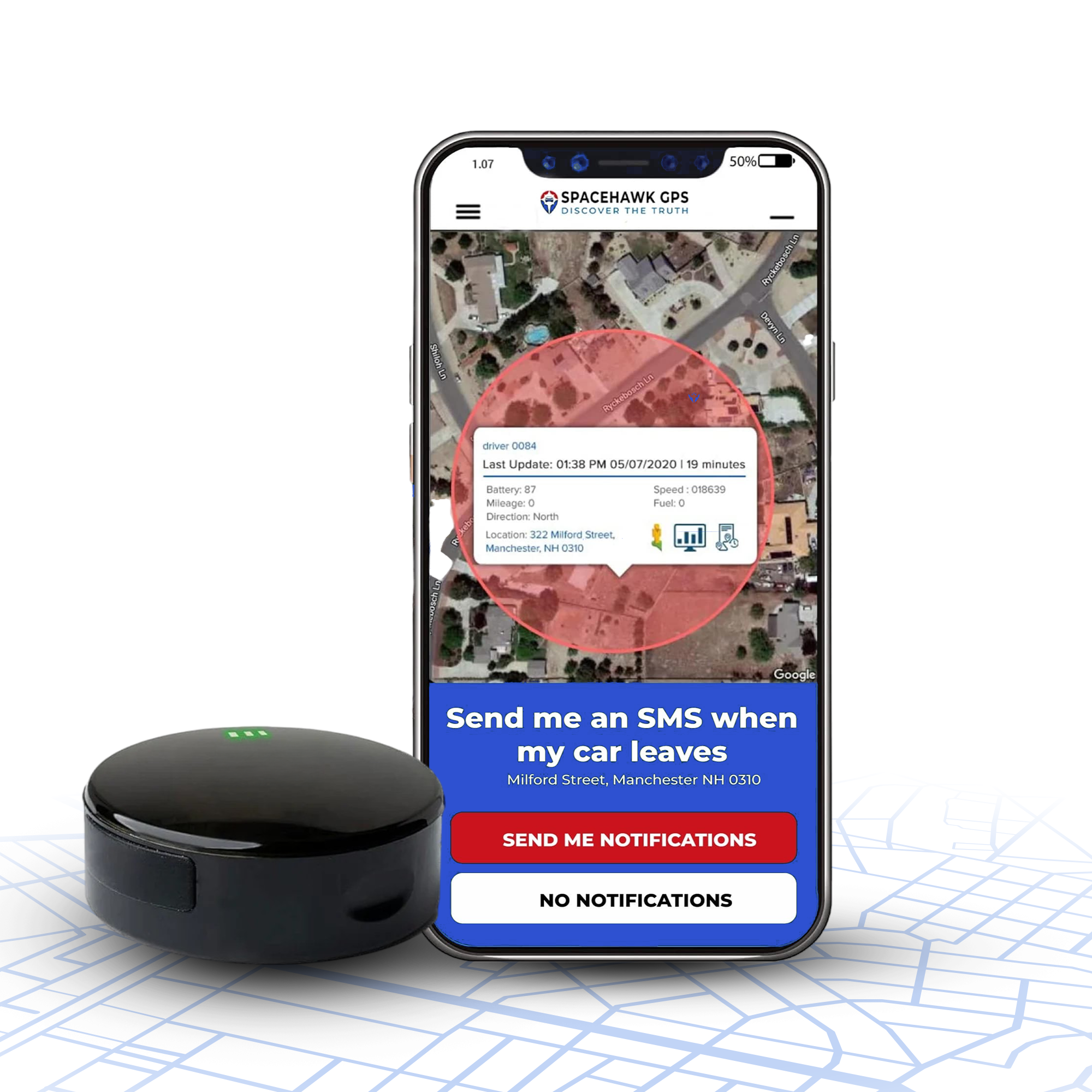
If you fall into this group, you may want to look beyond wearables and consider a dedicated GPS tracker you can place in a backpack or jacket pocket. This is where SpaceHawk becomes a helpful option. It is not a pendant, but it delivers true real-time tracking with fast updates and detailed movement history. Because you can place it inside a bag or coat, it stays out of sight while still giving clear information about your child’s route and location.
A pendant gives parents a steady sense of safety during the day.
A compact tracker like SpaceHawk works well when you need continuous accuracy and want to follow every step during the day.
Both approaches help your child stay safe while giving you the reassurance you need as a parent.
Author Disclosure
Written by Ryan Horban, GPS Tracking Expert (15+ Years of Experience)
Over the past 15 years, I’ve helped everyone from parents and pet owners to fleet managers and small business teams choose GPS solutions that actually work.
Whether it’s tracking a car, a child, or an entire fleet, my focus is on simple, legal, and effective setups that protect what matters, without the tech headaches.
I’ve worked hands-on with real users, tested dozens of devices, and know what truly works in the real world.
👉 Connect with me on LinkedIn →
Child Tracking Pendant & Wearable GPS Device FAQs
How Far Do Child GPS Pendants Work?
The range of child GPS pendants depends on the technology they use and the coverage of the network they’re connected to. Typically, GPS pendants work globally as long as they have access to GPS satellites. However, their effectiveness can vary based on factors like cellular coverage, Wi-Fi access, and whether they use a SIM card. In areas with good cellular and GPS signals, they can provide real-time tracking over vast distances, including internationally. In contrast, in remote or indoor areas, their accuracy may decrease, especially if relying solely on GPS without cellular or Wi-Fi support.
Is It Possible To Put A GPS Chip In Your Child?
No, you cannot put a GPS microchip in your child. Currently, no trackers exist that can be implanted under a child’s skin for tracking purposes. If you consider the microchips used for pets, remember that these do not provide real-time location data. Instead, they serve as a barcode containing the pet’s basic information. To access this information, someone must scan the microchip.
Are GPS Necklace Trackers Safe For Kids To Wear?
Yes, GPS necklace trackers are safe for kids to wear. They are specifically designed to be lightweight, durable, and comfortable, with materials that are non-toxic and suitable for sensitive skin. Brands like the Apple Watch SE, Jiobit, and AngelSense go a step further by incorporating additional safety features. The Apple Watch SE includes health monitoring and fall detection, ensuring your child's well-being. Jiobit offers encrypted data transmission to protect your child's location data. AngelSense is designed with special needs children in mind, featuring tamper-proof wearables and secure, real-time monitoring. These brands prioritize both physical safety and data security, making their GPS trackers a reliable choice for parents.
Do Child GPS Trackers Work Indoors?
Child GPS trackers can work indoors, but accuracy changes based on the building and the type of signals available. GPS is strongest outdoors, so some devices switch to Wi-Fi or LBS signals inside schools, malls, or homes.
Here’s what helps improve indoor accuracy:
- Wi-Fi signal access
- Nearby devices (such as iPhones for AirTags)
- LBS support in areas with weak GPS
- Strong cellular coverage inside the building
Trackers that use several signal types at once usually stay more accurate indoors.
What Age Is Best for a Child GPS Tracker?
The right age depends on your child’s needs, where they spend their day, and how much independence they already have.
Younger children often use trackers when they start school or attend activities without a parent present. Older children may prefer a smartwatch that blends safety features with messaging and daily tools.
Some general examples:
-
Ages 5–8: Simple pendants or clip-on trackers
-
Ages 8–12: Watches with calling and SOS
-
Ages 12+: Smartwatches or compact trackers placed in a backpack
As children grow, their needs change, and the type of tracker you choose can change with them.


 Buy on Amazon