
7 Best Car Anti-Theft Devices in 2026

-
01Layered security combining locks and GPS makes vehicles harder to steal
-
02GPS trackers improve recovery by providing real-time vehicle location
-
03Immobilizers prevent engine start and block common theft methods
-
04Security devices can help reduce insurance premiums over time
-
05Tracking requires ownership or consent to stay within legal limits
Affiliate disclosure: This article contains Amazon affiliate links. We may earn a commission on qualifying purchases at no extra cost to you. Two of the picks below, SpaceHawk and Konnect, are our own brands. We explain that in full at the bottom of this page.
7 Best Anti-Theft Devices for Car in 2026: Tested & Rated
Car theft looks different today than it did a few years ago. Thieves rely more on digital shortcuts, relay tricks, counterfeit OBD tools, and quiet electronic bypasses, so protecting a vehicle takes more than a factory alarm. Over the past few months, we put 11 security tools through real use in crowded parking garages, overnight street parking, and long stretches of highway rest stops to see which ones held up outside of controlled demos.
After the testing phase wrapped up, seven devices consistently performed at a higher level than the others. These models delivered reliable operation, handled tampering attempts with more resistance than comparable options, and provided noticeably faster recovery support whenever a vehicle was moved without authorization. Test vehicles ranged from small daily drivers to heavier work trucks, and the results stayed the same across every category.
Source: National Insurance Crime Bureau, 2025 Vehicle Theft Report.
Worth saying plainly, because most articles in this category lead with fear. Vehicle theft in the United States is at its lowest level in several decades. Thefts fell 23% in 2025 after a 17% drop in 2024, which was itself the biggest decline in forty years. Your car is less likely to be taken today than at any point in most drivers' memory.
So no, the sky is not falling. But 659,880 is still an enormous number, and the odds are not evenly spread. If you drive a Hyundai or a Kia, park on the street overnight, or own a truck with valuable tools in the bed, you sit well above the average. Buy for your actual risk, not for the headline.
Our Best Picks For Car Anti-Theft Devices
Sorting through anti-theft products can take time because many of them look nearly the same when you read the specs. After testing 11 devices in real driving, overnight parking, and everyday use, a smaller group consistently delivered stronger results. These options kept a stable signal, held up during long periods of testing, and resisted quiet tampering attempts far better than the others. Their rankings come from how they performed in actual conditions, not from what the marketing pages claim.
→ Scroll sideways to see cost and what each device actually does
| Rank | Device Name | What It Does | Ongoing Cost | Best For | Quick Description |
|---|---|---|---|---|---|
| 1 | SpaceHawk GPS Tracker Our brand | Recovers | From $9.95/mo | Highest-Rated Car Anti-Theft Device | Hidden magnetic tracker, fast alerts |
| 2 | Konnect GPS Tracker Our brand | Recovers | Free year 1, then ~$0.30/day | Best for Real-Time Fleet & Car Security | Plug-in OBD2, live fleet view |
| 3 | EASYGUARD IM002 Immobilizer | Prevents | None | Best for Automatic Engine Lock/Unlock | RFID immobilizer, blocks ignition |
| 4 | Tevlaphee Steering Wheel Brake Lock | Deters | None | Best Steering Wheel Lock | Steel bar, wheel and pedal |
| 5 | Compustar CS7900 | Deters | None, but budget for install | Best Car Alarm System | Alarm, remote start, app alerts |
| 6 | Tevlaphee Wheel Locks | Deters | None | Best for Wheel Theft Prevention | Bright steel clamp, tool-free |
| 7 | MWNYO Hood Lock | Prevents | None | Best for Preventing Engine Bay Access | Reinforced hood latch, Jeep only |
What Are Anti-Theft Devices For Cars?

Anti-theft devices add practical layers of protection that make stealing a car harder and recovery more likely if it does happen. Some options work as visible deterrents, such as steering wheel locks or wheel clamps that signal resistance upfront. Others work in the background by monitoring movement, recording location data, or sending alerts when suspicious activity starts. Used together, these tools make a parked vehicle far less appealing to target.
After four years of surging vehicle thefts, the number of stolen vehicles in the United States has now fallen for two straight years. Thefts dropped 17% in 2024 and another 23% in 2025, landing at 659,880 for the year and the lowest total in several decades.
For most drivers, a dependable anti-theft setup is no longer optional. Recovery speed often comes down to preparation, not luck. Vehicles protected by multiple security measures are easier to locate, harder to resell, and less likely to disappear without a trace. Strong protection also reduces the stress and financial fallout that show up repeatedly in annual theft data.
What Types of Anti-Theft Devices Help Protect Your Car?
The anti-theft devices that help protect cars include steering wheel and wheel locks, GPS tracking devices, car alarms, immobilizers, and kill switches. Each plays a different role, and the most effective protection usually comes from using more than one type at the same time.
Modern car theft is fast and tech-driven. Thieves now use relay attacks, cloned keys, and unauthorized OBD access instead of breaking windows or forcing ignitions. Because of that shift, relying on a single device rarely works for long. Physical locks slow thieves down and draw attention, while electronic systems track movement, trigger alerts, or prevent the car from starting altogether.
Below, we break down the most effective anti-theft devices, explain how each one works, and show when it makes sense to use them together for stronger protection.
The Four Layers NICB Recommends
The National Insurance Crime Bureau frames vehicle security as four layers rather than a single purchase, and it is a useful way to check what you already have against what you are missing.
Lock the doors, take the keys, park in light. Free, and still the reason a large share of thefts succeed when it gets skipped.
Anything visible or audible that says this car is defended. Steering locks, wheel clamps, alarms. Works before contact.
Stops the engine running without the right key. Immobilizers, kill switches, fuel cut-offs. Works during the attempt.
Reports where the vehicle went. The only layer that still helps after the car is gone, which is why it is last rather than first.
Most people buy layer four and skip layers one through three, or buy nothing at all and hope. The picks further down cover every layer, so you can fill the gap you actually have rather than doubling up on the one you already own.
Passive Devices: Steering Locks, Wheel Clamps, and Hood Locks

Passive anti-theft devices are physical security tools designed to block movement or access to critical vehicle components without relying on software, connectivity, or power. These devices work by creating visible resistance that slows theft attempts and increases the risk of detection.
These are the old-school tools that rely on strength, not code. Their job is simple: make your car look like more trouble than it's worth.
- A steering wheel lock physically prevents the wheel from turning and is immediately visible through the window, which alone can discourage opportunistic theft.
- A wheel clamp stops the vehicle from rolling at all, making quick drive-offs impossible.
- A hood lock restricts access to critical components under the hood, including the battery and ECU. These are areas thieves often target early to disable alarms or tracking systems.
None of these devices guarantees a thief will walk away. What they do is slow the process enough to draw attention, raise suspicion, or push someone to move on to an easier target.
Active Devices: Alarms, Immobilizers, GPS Trackers, and OBD-II Protection

Active systems respond the moment something feels out of place. They rely on sensors, digital keys, and connected hardware to spot unauthorized activity, shut down the engine, or send you a warning.
- A good alarm can alert you or people nearby when someone tampers with a door or window.
- Immobilizers keep the engine from starting unless the correct coded key or RFID signal is present.
- GPS trackers give real-time location information, which makes recovery far easier if the car is taken.
- OBD-II tamper devices help prevent thieves from plugging in fake diagnostic tools to bypass factory security.
Most security professionals now suggest using a visible mechanical tool alongside a hidden electronic one. The visible deterrent helps prevent the attempt; the concealed tech protects you if the thief decides to try anyway.
How Does A Car Anti-Theft Device Work?

Car security tools work in a handful of different ways, and each one addresses a separate stage of how a vehicle is usually stolen. Some systems slow a thief down at the very start, others stop the engine from turning over, and a few help you track the car if it's already been taken. When these layers are used together, the protection becomes far stronger than relying on a single device.
1. Physical Blocking
These are the tools that get in a thief's way from the moment they reach the vehicle. A steering wheel lock keeps the wheel from moving, a wheel clamp stops the car from rolling or being towed, and a hood lock adds protection to the parts under the hood, the areas thieves often go for when they want quick access to electronics.
Most of the time, the visibility alone is enough to make a thief pick a different car. They don't want a job that takes extra time or draws attention.
2. Engine Disable (Immobilizers & Kill Switches)
Immobilizers tie into the vehicle's electronics and only allow the engine to start when the correct digital key or tag is present. If the signal doesn't check out, the ignition won't respond.
A kill switch takes this one step further by letting the owner shut off a key electrical circuit, something that stops the engine from starting even if a thief walks in with a copied key.
3. Alerts and Sensors
Sensors placed around the car can detect break-ins, movement, or an attempt to lift or tow the vehicle. When something triggers those sensors, the system can fire off a loud alarm, flash the lights, or send a warning straight to your phone. Fast alerts give you or people nearby a chance to react before the situation gets worse.
4. GPS Tracking and Geofence Recovery
A hidden GPS tracker sends the car's location through satellite and cellular networks. Following the vehicle in real time, setting boundaries that trigger alerts when it moves outside a safe area, and sharing a live route with law enforcement greatly improves the chances of recovering a stolen car. Using a tracker in this way has consistently shown strong results, often helping owners get their vehicles back before serious damage occurs.
5. Remote Shutdown (Where Allowed)
Some advanced systems allow the authorized user to shut the engine down remotely. Because this type of control directly affects how the vehicle behaves, the rules surrounding remote shutdown are strict. The command should only be activated when the car is fully stopped and when the action won't put anyone nearby in danger.
How We Tested Anti-Theft Car Devices
To make sure every recommendation comes from real performance and not assumptions, we tested each anti-theft device in everyday driving and in controlled theft attempts. Every unit was pushed, shaken, and used in the same way a real driver would rely on it.
- Theft simulations: Devices were exposed to prying, jolting, forced movement, and quieter tampering to see how quickly and accurately they reacted. These tests helped us see which systems responded consistently and which ones lagged or missed subtle attempts.
- Battery and power performance: Battery-powered trackers were monitored over several days in both active and low-power modes to understand true runtime. Hardwired and OBD-II units were checked for steady connectivity and to confirm they didn't cause unnecessary drain during long parking periods.
- App and software usability: Each app was tested on multiple phones and desktops to measure update speed, notification timing, map accuracy, and overall ease of use. Some apps handled these tasks smoothly, while others slowed down or froze when signal strength dipped.
- Accuracy and coverage: Trackers were placed in different spots inside the vehicle and tested across open roads, dense city blocks, garages, and areas with weak reception. We tracked how quickly they updated, how they handled geofence alerts, and how well they performed around obstacles that normally interfere with GPS.
- Installation and user experience: Each device was installed the same way an average driver would attempt it, with no special tools and no shortcuts. Installation tests revealed which products were genuinely easy for a typical driver to set up and which ones demanded more technical confidence or even professional assistance.
Our testing approach mirrors methods used by respected automotive reviewers, giving us results based on real-world reliability instead of ideal lab conditions. Our deeper rounds of testing made clear which devices consistently deliver dependable performance when reliability genuinely matters.
What Are the Best Car Anti-Theft Devices for 2026?
Car security in 2026 involves more than old-style locks or the alarm that came with the vehicle. Thieves now rely on faster, more sophisticated methods, which means drivers need tools that react quickly, prevent movement, or help track a car the moment something feels off.
The devices below proved themselves during testing, performing reliably in everyday driving, crowded parking areas, and controlled attempts to bypass their security features. Each option was judged on day-to-day usability, strength of construction, and how quickly it reacted when someone tried to interfere with the vehicle.
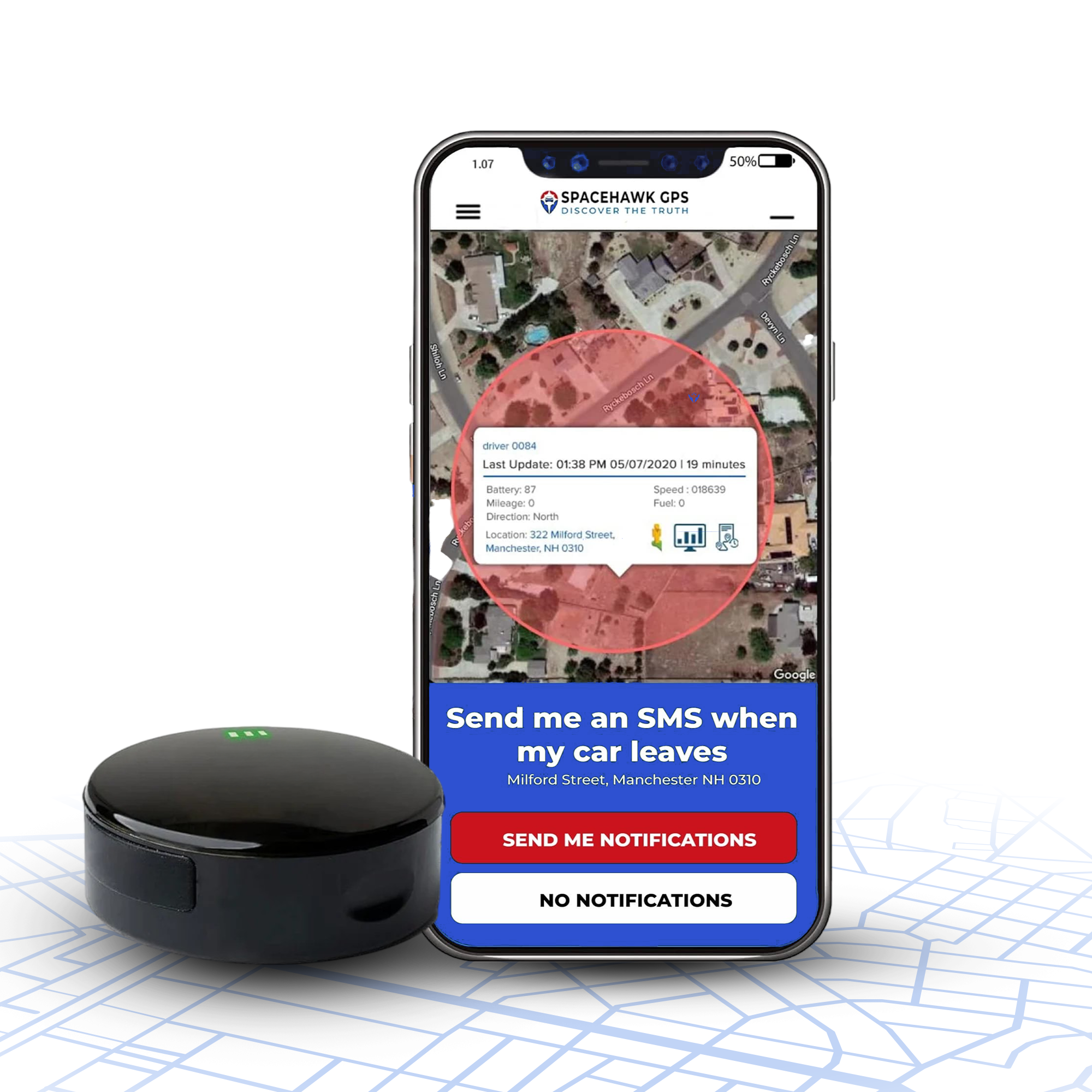
1. SpaceHawk GPS Tracker – Best Overall Car Anti-Theft Device
This is our #1 product because it performed the most consistently in real-world use and has the strongest track record with long-term users. SpaceHawk leads the list for dependable, low-profile vehicle tracking, especially when fast recovery matters more than extra features. It is also our own brand, which we cover in full further down the page.

The compact magnetic housing fits cleanly beneath the chassis, staying out of sight without complicated installation. Location updates refresh frequently, keeping movement data current enough for quick response if the vehicle starts moving unexpectedly. Alerts arrive fast, signal performance stays steady, and flexible placement makes it harder to detect or remove compared to bulkier trackers.
SpaceHawk also ranks at the top in user adoption and feedback, with consistent themes across its reviews: accurate location history, reliable alerts, and stable performance over time. In testing, it updated faster and maintained signal better than several similarly priced options, particularly in dense urban areas where weaker trackers often lag or drop.
The only thing there's not to like? It makes it very easy for your spouse to find you on a night out with the guys.
We know this isn't the same as a wheel lock. A physical lock can stop a theft attempt before it starts. But think about it this way: any time someone takes your car, whether it's theft, unauthorized use, or towing, you'll know quickly and have the best chance of getting it back. For recovery-focused protection, SpaceHawk does the job better than most.

- Small & Discreet: The magnetic housing makes it easy to tuck away under the car or inside a hidden panel.
- Fast Location Updates: Sends position data every few seconds, giving you tight, real-time tracking.
- Strong Battery Life: Low-power mode stretches usage to several months on a full charge.
- Weatherproof Housing: Rated IP67, able to handle rain, dust, and road debris.
- Alert Notifications: Sends geofence, movement, and speed notifications directly to your phone or email.
- Straightforward App: Works smoothly across iOS, Android, and desktop dashboards.
- Monthly Subscription: Requires a paid tracking plan, from $9.95/month on a two-year prepay and $19.95 month to month.
- Needs Metal Surface: The magnetic mount can only attach to metal components.
How to Install
- Find a metal surface underneath or inside the vehicle.
- Firmly attach the tracker with the built-in magnet.
- Download the SpaceHawk tracking app and activate the device.
- Complete the setup by following the app's prompts. No mechanical installation required.
Why Choose SpaceHawk?
For owners needing hidden tracking without constant maintenance, SpaceHawk fits that need. Fleet operators, parents, and owners of high-value vehicles commonly choose this model because of dependable accuracy and long battery life.
Product Information
2. Konnect GPS Tracker – Best for Real-Time Fleet & Car Security
Konnect is the go-to option for anyone who needs constant, accurate tracking without dealing with charging cycles or complicated wiring. The OBD-II plug-in design makes setup nearly instant, and the fast refresh rate gives a clear, live view of every trip, something fleet managers and families rely on heavily. With steady power from the vehicle and quick location updates, Konnect delivers a dependable, real-time monitoring system that fits both daily driving and multi-vehicle management. Konnect is our own brand too, covered in the disclosure at the bottom of this page.


- Instant Plug-In Install: Fits into any standard OBD-II port, no tools required.
- Unlimited Power: Runs directly from the car, so you never need to recharge it.
- Rapid Updates: Sends location and trip data every few seconds.
- Safe-Zone Alerts: Notifies you when the car enters or exits marked areas.
- Multi-Vehicle Support: Easy to track several cars in one app.
- Requires OBD-II Port: Not compatible with older vehicles without the port.
- Sits In Plain Sight: A thief who knows where to look can unplug it, so pair it with a hidden tracker if concealment matters.
- Subscription After Year One: First year is covered, then ~$0.30/day.
How to Install
- Locate your OBD-II port under the dashboard.
- Plug the Konnect device directly into the port.
- Open the Konnect app and complete activation.
- Start tracking instantly, no wiring needed.
Why Choose Konnect?
Konnect provides continuous, vehicle-powered tracking and near-instant updates, a strong fit for fleet managers and multi-car households that need constant oversight.
Product Information
3. EASYGUARD IM002 Immobilizer – Best for Automatic Engine Lock/Unlock
EASYGUARD's IM002 appeals to drivers who want the engine protected the moment someone attempts to start the car without proper access. The unit blocks the ignition unless the paired fob is close enough to verify the start attempt, shutting down most relay tricks and other forced-start methods. Once installed, the system runs quietly in the background, with no switches and no added steps during daily use. A setup like this gives a straightforward and reliable layer of protection, keeping the engine secured every time someone tries to start the vehicle.

- Auto Engine Disable: Stops unauthorized starts immediately.
- Compact Hardware: Installs discreetly behind interior panels.
- Remote Control Option: Allows lock/unlock with the included fob.
- Tamper Notification: Alerts you if someone tries to bypass it.
- Professional Install Recommended: Hardwiring may be challenging.
- App Functions Vary: Some vehicles support more features than others.
How to Install
- Locate your ignition wiring harness.
- Connect the immobilizer following the wiring guide.
- Pair the fob or app.
- Test the system to confirm engine lock/unlock behavior.
Why Choose EASYGUARD IM002?
Once the system is installed and running, engine protection stays active automatically. The immobilizer functions much like a built-in factory unit, working quietly in the background and keeping the vehicle secure without adding any extra steps to your routine.
Product Information
4. Tevlaphee Steering Wheel Brake Lock – Best Steering Wheel Lock
Tevlaphee's steering wheel brake lock stands out because it clamps onto both the wheel and the brake pedal, giving thieves far less room to work with. The two-point hold makes quick attacks difficult, especially compared to basic wheel locks. The solid build, bright finish, and snug fit help it serve as a clear, practical deterrent for anyone relying on a simple mechanical device to keep a parked car secure.

- Dual Locking Mechanism: Secures both the steering wheel and brake pedal simultaneously, preventing steering and braking.
- Heavy-Duty Construction: Made from durable aluminum and steel, resistant to cutting, prying, and sawing.
- Adjustable Length: Telescopic design fits most vehicles with a distance between the steering wheel and brake pedal ranging from 22.8 to 33.5 inches.
- Emergency Tool: Features a built-in hammer for emergency glass breaking.
- Visible Deterrent: Bright color and design make it highly visible, discouraging potential thieves.
- Installation Complexity: Requires maneuvering into the footwell, which may be challenging for some users.
- Storage: Size may require additional storage space when not in use.
How to Install
- Extend the bar to the right length.
- Hook one end to the steering wheel and the other to the brake pedal.
- Insert the locking pin and secure with the key.
- Confirm a tight fit before stepping away.
Why Choose Tevlaphee?
Because the bar anchors to both the wheel and the brake pedal, quick break-in attempts become far more difficult. And since the lock is easy to spot from outside the car, most thieves avoid bothering with a vehicle that clearly isn't a simple target.
Product Information
5. Compustar CS7900 – Best Car Alarm System
Compustar's CS7900 delivers long-range remote control, sharp impact detection, and a handheld remote that clearly confirms each command. The alarm responds quickly, and the remote-start function becomes genuinely helpful during hot summers or cold mornings. You can check the car's status from a distance, start the engine, or receive a warning when a sensor is triggered. The CS7900 functions as a single, well-integrated system rather than a collection of separate add-ons, which keeps everyday use simple and consistent.

- Dual-Stage Shock Sensor: Detects both light and heavy impacts, providing layered security.
- 2-Way LCD Remote: Provides clear visual and audible confirmation of commands, ensuring peace of mind.
- 105dB+ Siren: Loud alarm to deter potential intruders.
- Keyless Entry & Remote Start: Convenient features for daily use.
- Expandable Sensors: Supports additional sensors for door, hood, trunk, and impact detection.
- Professional Installation Required: Installation may require a professional, potentially adding to the overall cost.
- Compatibility Check Needed: Some vehicles may require additional parts for full compatibility.
How to Install
- Locate the Control Module: Find a suitable location under the dashboard.
- Connect Wiring: Follow the provided wiring diagram to connect the system to your vehicle's ignition and security circuits.
- Install Sensors: Place the shock sensor and any additional sensors in appropriate locations.
- Mount the Siren: Install the siren in a secure, hidden location.
- Program the Remote: Pair the 2-way LCD remote with the system following the included instructions.
Note: Professional installation is recommended to ensure proper setup and functionality.
Why Choose the Compustar CS7900?
Compustar's CS7900 combines everyday convenience with strong security functions. Long-range remote start helps during harsh weather, and the 2-way remote provides clear confirmation each time a command goes through. The siren, sensors, and optional add-ons operate in sync, creating a unified security setup rather than separate pieces working alone. The overall build is sturdy and dependable, giving drivers a system with reliable protection and more control than a basic alarm.
Product Information
6. Tevlaphee Wheel Locks – Best for Wheel Theft Prevention
Tevlaphee's universal wheel lock earns attention for its heavy steel build and bright finish, which can be spotted from a distance and sends a clear warning to anyone looking at the vehicle. The clamp grips the wheel tightly, stopping it from turning or being removed, and it fits a wide range of vehicles including cars, trucks, trailers, and motorcycles. The sturdy feel, visible design, and quick, tool-free setup make it a practical choice for preventing wheel theft without getting into wiring or electronics.

- Universal Fit: Adjusts to wheels between 7 and 11 inches wide, making the clamp practical for everything from small cars to large trailers.
- High Visibility: The bold red-and-yellow design is easy to spot and works as a strong visual deterrent.
- Durable Build: Constructed from heavy-duty metal that holds up well against tampering and harsh outdoor conditions.
- Simple Operation: Installs in a few moments and requires no additional tools.
- Manual Mechanism: Locking and unlocking must be done by hand, which may be less convenient for some drivers.
- Bulky Shape: The clamp's size can take up noticeable storage space when not in use.
How to Install
- Position the clamp around the wheel.
- Adjust the arms until they sit firmly against the tire.
- Insert the key and lock the mechanism.
- Give the clamp a quick tug to confirm a solid hold.
Why Choose the Tevlaphee Wheel Lock?
Wheel-lock protection comes from a tough, visible clamp that creates a solid barrier around the tire, slowing down any attempt to move or tamper with the wheel. An adjustable design allows the clamp to fit a wide range of vehicles, while the bright finish draws attention immediately. High visibility alone often discourages unwanted interest, especially on cars parked outdoors or left in the same spot for extended periods.
Product Information
7. MWNYO Hood Lock – Best for Preventing Engine Bay Access
MWNYO's hood lock adds a strong barrier to the engine bay, a section thieves often target to reach the battery or sensitive electronics. The upgraded latch reinforcement blocks access to those components and makes quick tampering far more difficult. Designed specifically for Jeep models, the lock sits cleanly in place and installs without drilling or any major modifications to the vehicle.

- Enhanced Engine-Bay Security: Blocks unauthorized access to the hood area, reducing the chances of battery, ECU, or component tampering.
- Strong Build Quality: Crafted from high-strength metal that holds up well under force and outdoor exposure.
- Straightforward Setup: Designed to mount cleanly without drilling, ideal for drivers who want an easy, no-modification install.
- Jeep-Specific Fit: Engineered for select Jeep models, allowing the lock to sit securely and blend naturally with the factory latch.
- Narrow Compatibility Range: Best suited for Jeep vehicles; other makes may require a different style of hood lock.
- Manual Use: Needs to be locked and unlocked by hand, which may feel slower compared to electronic alternatives.
How to Install
- Locate the factory hood-latch mechanism.
- Clear any components or trim pieces blocking access.
- Position the MWNYO lock over the latch and align the mounting points.
- Use the included hardware to secure the lock firmly.
- Open and close the hood a few times to confirm smooth operation and proper engagement.
Why Choose the MWNYO Hood Lock?
A hood lock adds a firm barrier to the engine bay, an area thieves often target first when trying to access the battery or electronics. Solid metal construction sits securely on compatible Jeep models and mounts without drilling, keeping critical components tucked safely out of reach. The added layer strengthens overall security without requiring changes to factory hardware.
Product Information
How a Relay Attack Actually Works
Relay theft gets mentioned constantly and explained almost never, which is a shame, because once you understand it the fix is cheap and obvious. Here is the whole trick.
- One thief stands near your front door holding a relay box. Your key fob is on the hall table a few feet inside, quietly broadcasting, the way it always is.
- That box catches the fob signal and passes it to a second thief standing at your car, often over a surprising distance. Walls do not stop it.
- The car hears what it thinks is your key right beside the door handle. It unlocks. It starts. Nothing was forced and no glass was broken, which is also why some insurers get difficult about these claims.
The fix costs about ten dollars. Put your fob in a signal-blocking pouch overnight, or a metal tin, and the relay has nothing to catch. Keep keys away from the front door and windows. Some fobs also have a motion-sleep setting that switches off broadcasting when the key sits still, which is worth digging out of the manual.
Note what this means for hardware. A relay attack defeats the factory immobilizer by design, because the car genuinely believes the key is present. A mechanical lock does not care what the car believes, and a tracker does not care that the theft looked legitimate. That is the case for layering in one sentence.
Which Device Fits Your Situation?
Have this straight before you need it, because nobody thinks clearly standing in an empty parking space.
- Call 911 first and report it stolen. Have the plate, VIN, make, model, colour and last known location ready. The report is what puts the vehicle into the national database that patrol cars check.
- Screenshot your tracker before anything else moves. Capture the location with its timestamp visible, so you have a record even if the device is found and disabled a few minutes later.
- Give the officer the live tracking link. Handing over a link beats reading coordinates aloud, and it lets dispatch follow the vehicle in real time.
- Call your insurer the same day. Most policies require prompt notice, and a delay can complicate the claim.
- Do not go after the car yourself. This is the important one. A tracker tells you where your vehicle is, not who is standing next to it. Confronting a car thief is how a property crime turns into something far worse. Send the police.
Is Your Car On The List?
Theft risk is not spread evenly, and the gap between models is bigger than most people expect. These were the two most-taken models in the United States in 2025.
Source: National Insurance Crime Bureau, 2025 Vehicle Theft Report.
The more useful number sits behind those two. Hyundai and Kia together accounted for 14% of every vehicle theft in the country in 2025, down from 16% in 2024 and 21% in 2023. That fall did not happen because thieves lost interest. It happened because the manufacturers pushed an anti-theft software update and owners installed it.
So if you drive an affected Hyundai or Kia, that update is the highest-value thing on this entire page, and it costs nothing. Get it done at a dealer, then come back and buy a lock. Hardware is the second step.
Benefits of Anti-Theft Car Devices
Anti-theft tools do more than stop a break-in. A reliable setup improves day-to-day safety, lowers anxiety while driving or parking, and adds useful functions that simplify managing a vehicle.
Visible hardware, whether steering locks, wheel clamps, bright physical barriers, or a flashing alarm light, discourages opportunistic thieves. Most theft attempts are quick and careless, and a vehicle showing clear signs of protection rarely becomes the preferred target.
When a theft occurs, live GPS tracking changes the outcome entirely. Real-time location data helps law enforcement act quickly, replacing guesswork with accurate movement history. Cars equipped with active tracking are recovered at significantly higher rates than those without any digital trail.
Many insurers reduce premiums for vehicles equipped with recognized security devices. A GPS tracker, immobilizer, or premium alarm lowers theft risk, which can translate into lower annual costs.
Continuous monitoring eases the tension that comes with parking in unfamiliar places or handing the keys to another driver. Alerts, trip history, and real-time status updates keep owners informed without constant checking. Families with new drivers and companies with multiple vehicles often benefit the most from this added awareness.
Modern systems extend beyond theft prevention. Smartphone controls let users view location, set boundaries on maps, review driving behavior, or shut down the engine remotely (when laws permit). These tools turn a simple security upgrade into a daily management aid.
Buying Guide: How to Choose the Right Anti-Theft Device
The right anti-theft setup depends on daily habits, parking routines, and the kind of risks surrounding the vehicle. Some people focus on stopping a break-in at the door, while others care more about quick recovery if the car is taken. Once those priorities are clear, choosing the correct category becomes much simpler.
Use-Case First
Start by identifying the main problem. A visible lock discourages quick, impulsive attempts. A GPS tracker helps bring a stolen vehicle back faster. Businesses managing multiple cars often need steady oversight, driving history, alerts, and behavior reports rather than simple deterrence. After the main goal is defined, the right type of device becomes easier to spot.
Feature Priorities
Every device serves a different purpose, so selecting features that match real daily use matters more than impressive advertising claims.
Features worth paying attention to:
- Real-time GPS precision
- Geofence and tamper notifications
- Immobilizer or engine-cut functions (allowed only in some regions)
- Long battery performance or uninterrupted power
- Discreet mounting or placement
- Compatibility with EVs, hybrids, or fuel-powered vehicles
- Stable, well-built apps with dependable updates
Where to Buy Safely
Source reliability matters as much as the hardware. Ordering from brand websites, well-known online stores, or certified dealers reduces the chance of receiving counterfeit or outdated units. Before finalizing a purchase, review subscription plans, return policies, and available customer support so the long-term commitment is clear.
Two of the seven picks are ours. GPS Tracker Shop sells the SpaceHawk tracker at number one, and Konnect at number two is a sister brand under the same ownership, sold through its own storefront rather than here. We build them, we support them, and we make money when you buy them.
The other five are other companies' products. The Amazon links to them are affiliate links, which earn us a commission at no extra cost to you.
You should weigh that when you read the ranking, so here is the honest version. Our trackers are on this list because recovery is the problem we know best, and neither one will stop a theft in progress. A steering lock will. If someone is deciding between a tracker and a mechanical lock and the car rarely leaves a locked garage, the lock is the better buy, and we would rather say that than sell you the wrong thing.
Conclusion
A strong anti-theft setup does more than guard a vehicle. Solid security brings a sense of ease during everyday parking, reduces the chances of break-ins, and gives you a clear plan if something ever goes wrong. Among all the tools tested, SpaceHawk proved to be the most well-rounded choice thanks to discreet mounting options, long battery performance, and steady, accurate tracking in every environment we tried. Konnect earned recognition for the way it handles multiple vehicles at once, delivering fast location updates and a simple OBD-II plug-in design that keeps the whole system effortless to manage.
Taking action before trouble appears is always the better choice. A well-hidden tracker or a sturdy mechanical lock can turn a potential loss into nothing more than a brief scare. Tools built for accurate tracking and reliable alerts, like the SpaceHawk GPS Tracker, deliver the kind of protection that genuinely matters when a situation turns serious.
Frequently Asked Questions
How difficult is it to install an anti-theft car device?
Most devices are plug-and-play or magnetic mounts that require minimal effort. Hardwired alarms or immobilizers may need professional installation.
Installation difficulty can also depend on your familiarity with car electronics. Even simple plug-and-play devices may take extra time if your vehicle has a cramped OBD-II port or a complex dashboard layout. Reading the manual carefully and watching setup videos can make the process smoother and prevent mistakes that could affect device performance.
Will an anti-theft car device work with any car model?
Check compatibility before purchasing. OBD-II trackers require an OBD-II port (common in vehicles 1996+), while some alarms and immobilizers are model-specific.
Most anti-theft devices are designed for broad compatibility, but always double-check:
- OBD-II Trackers: Require an OBD-II port, available in most cars manufactured from 1996 onward.
- Alarms & Immobilizers: May be tailored for specific makes or models.
- Magnetic GPS Trackers: Usually universal, but placement may vary depending on vehicle structure.
- Steering Wheel & Wheel Locks: Adjustable sizes fit most standard cars, but check the diameter and wheel/steering dimensions.
How long does the battery of a GPS tracker last?
Battery life varies with how often the device reports. A magnetic tracker like SpaceHawk runs 18 to 24 days in active tracking and stretches to months in low-power mode. OBD-II trackers like Konnect draw vehicle power, so no recharging is needed.
Can anti-theft car devices cause false alarms?
Yes, but quality systems minimize them. Sensors and accelerometers in premium devices are calibrated to reduce false triggers.
- Sudden vibrations, bumps, or heavy winds can occasionally trigger alarms.
- Low battery or weak connectivity in GPS/OBD devices may send incorrect alerts.
- Improper installation or loose fittings can cause sensors to misfire.
- Regular maintenance and calibration help minimize false alarms.
Are there any legal considerations associated with using anti-theft devices?
- Always use anti-theft devices on vehicles you own or have explicit permission to monitor.
- Installing trackers on someone else's car without consent can violate privacy laws.
- Legal requirements vary by region, so check local regulations before use.
- Following the rules helps you protect your vehicle without facing legal issues.
- Keep written proof of consent and device ownership (receipts, emails, or signed permission). This helps if you need to show police or insurers the tracker was legally installed.
Is vehicle theft actually going down?
Yes, sharply. The National Insurance Crime Bureau recorded 659,880 vehicle thefts in the United States in 2025, down 23% from 2024, which had itself fallen 17% from 2023. That is the lowest annual figure in several decades and the end of the pandemic-era surge that pushed totals past a million. Enforcement changes and manufacturer software fixes both contributed. It still leaves well over half a million drivers a year dealing with a stolen vehicle, and the risk is concentrated on particular models, neighbourhoods and parking habits rather than spread evenly.
- Choosing a selection results in a full page refresh.
- Opens in a new window.
 Buy on Amazon