
Best GPS Tracker for Kids (Expert-Tested Guide)

5 things every parent should know first
-
01
The right tracker turns a phone call nobody answers into a live location in seconds.
-
02
A child on foot needs a wearable. A teen who drives needs a vehicle tracker. Buying the wrong one is the usual mistake.
-
03
Tell your child the device is there. Openness works better than concealment, and it holds up better in law.
-
04
Battery separates these more than accuracy does. AngelSense charges nightly. Jiobit runs for weeks.
-
05
The plan usually costs more than the device in year one. Read it before you read the sticker price.
Teen behind the wheel this year?
The tracker we fit to a teen driver's car, with lifetime warranty and US support.
Some links below go to Amazon, and we earn a commission when a reader buys through them. Recommendations are our own.

Our pick, if your teen drives
SpaceHawk GPS Tracker
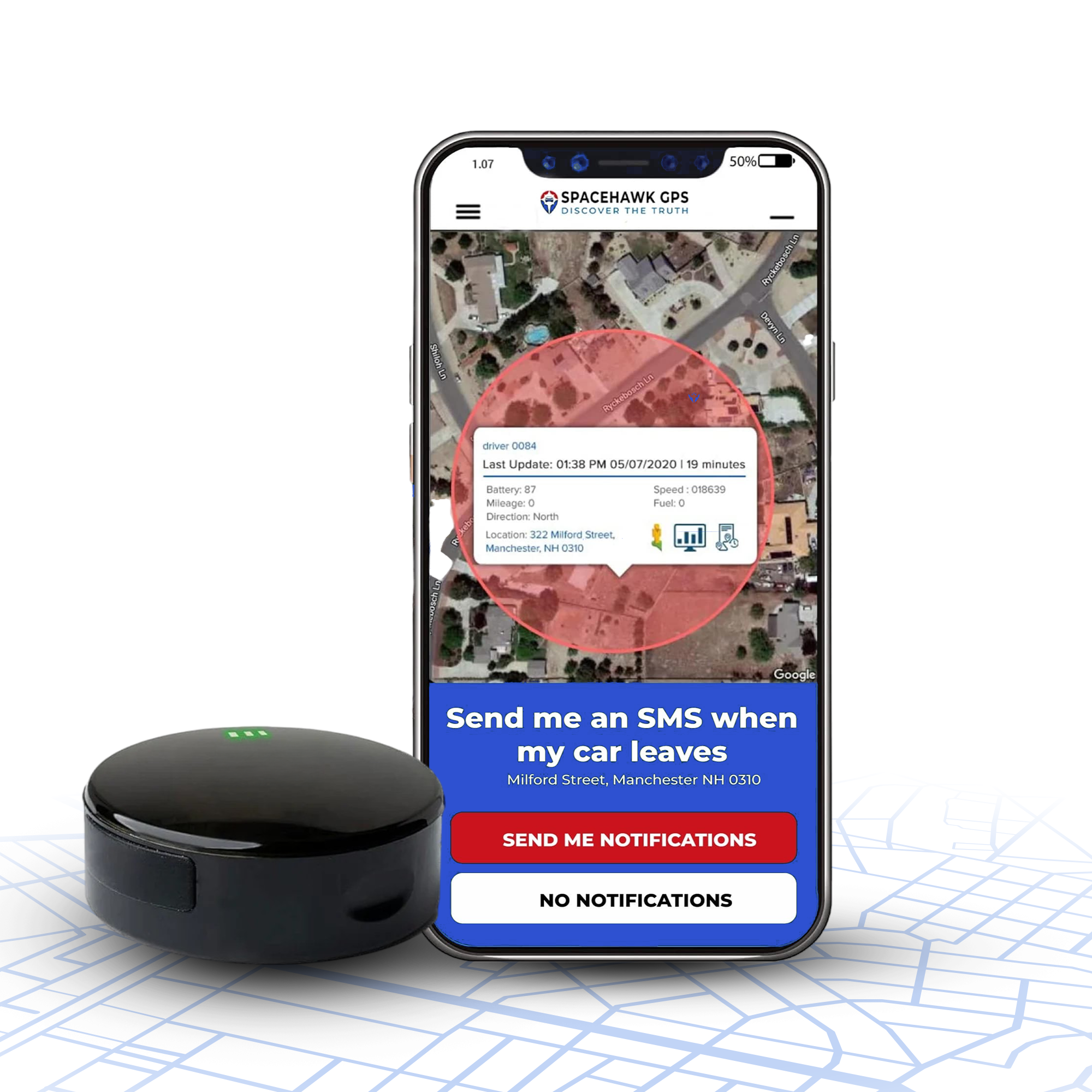
Magnetic, so a parent can fit one in seconds with no wiring. Updates every three seconds. Accurate to around six feet, with a year of trip history and a lifetime warranty.
The plan is $19.95 a month, or $9.95 on a two year prepay. Budget for the plan as well as the box.
This one goes on the car, not on the child. If your child is still on foot, the wearables further down are the right tool. We say plainly which we would buy.
Hello, GPS Tracker Shop families. If you are a parent, you know the feeling. A child leaves the house and a small part of your attention goes with them.
School days run long. Plans change. Kids forget to check in. This guide is about closing that gap with the least fuss. And about buying the right shape of device first time.
Start by telling them
A tracker your child knows about works better than one they do not know about. Children who help choose the device tend to keep it on them. A teenager who finds one sewn into a jacket lining will leave it at home. You will have spent the trust for nothing.
There is a legal edge to this as well. A parent tracking a minor in their own custody is generally lawful in the United States. Shared custody changes that, and turning eighteen changes it completely.
Say what you are tracking, why you are tracking it, and what you will do with what you see. That conversation takes ten minutes and it is the part most guides skip.
Which Type Of GPS Tracker Does Your Child Need?
Most bad purchases in this category come from one mistake. Parents buy a device meant for the wrong situation, and then blame the device.
A car changes the size of the problem completely. A child on foot covers a mile in twenty minutes. A driver covers twenty. So work out which of these you are actually solving before you look at any product.
-
A child on foot
- Under about ten, or prone to wandering off
- Walks, cycles or takes a bus without an adult
- Cannot reliably give a name and address to a stranger
Buy a small wearable, worn with their knowledge.
-
A teen behind the wheel
- Holds a permit or a license and drives alone
- You want arrival times, not a dot moving step by step
- The car itself is worth protecting too
Buy a vehicle tracker, fitted to the car they drive.
A third case sits between them. A teenager who already carries a charged phone may need nothing more than shared location on it. Phone sharing is also the most transparent option here.
49%
of children with autism have left a safe place unaccompanied since age four. That is four times the rate of their siblings.
Interactive Autism Network study of 1,218 families, published in Pediatrics, 2012.
The 7 Best GPS Trackers For Kids Compared
Prices move, and plans move faster. Where we could not confirm a current figure, we say so. Printing a number that looks precise and is not helps nobody.
| Product | Best for | What it costs | Battery | Buy |
|---|---|---|---|---|

|
Younger kids and wandering | About $59, plus about $49.99 a month on a one year term | About 1 to 3 days | Amazon |

|
Toddlers and young school kids | $129.99, plus a plan from about $8.33 a month | Up to 30 days claimed | Amazon |

|
A bag that moves between routines | Check current price. A plan is required | Days rather than weeks | Amazon |

|
Teen drivers, fitted to the car | $39.95, plus $19.95 a month or $9.95 on a two year prepay | 1 to 3 weeks at fast rates | Buy direct |

|
Teen drivers, lowest upkeep | About $129.99 on the listing with a year of service | Up to 3 months | Amazon |

|
Basic vehicle visibility | Around $29.95, plus a plan | 7 to 14 days, motion activated | Amazon |

|
Teens who already carry a phone | App subscription, no hardware to buy | Runs on the phone battery | Via the app stores |
How We Chose These GPS Trackers For Kids
Several of these units sit in our own test collection. Every photo and clip below is ours rather than stock.
Rankings rest on published specifications, manufacturer documentation, and hands on time with the units we stock. Public feedback from families using them counts too. Where a maker quotes a figure that only applies on a premium plan, we name that plan.

- 01Does it keep reporting while a child moves.Walks, bus rides and short stops are where cheap trackers drop out.
- 02How often does someone have to charge it.A device that dies by mid afternoon protects nobody, however good the app is.
- 03Will the child actually keep it on them.Comfort and size decide this, and they decide it in the first week.
- 04What does year one really cost.We added the plan to the device, because the plan is usually the bigger number.
- 05Is the device honest about what it is.A vehicle tracker sold as a child wearable is the most common category error.
AngelSense - Best Overall GPS Tracker For Kids

#1
Best for wandering and special needs
AngelSense does one job: a child who leaves without warning. Live location, a two way speakerphone that answers itself, an SOS button, and school bus tracking. The wearing sleeve fastens with a parent key. That matters for a young child who does not understand why the device is there.
Battery is the honest weakness. Plan on charging it every single night, because a day of heavy checking will flatten it. Look at the subscription squarely. Year one lands closer to $650 than to the device price.
One feature needs a word of care. AngelSense includes listen in audio, and several states have two party consent rules for recording. Talk to the school before you switch that on.
Worth the money if wandering is a real risk in your house. Overkill, and overpriced, if it is not.
Key features
- Live location with frequent refresh
- Two way auto answer speakerphone, 60 voice minutes a month
- SOS button and a device alarm to help you find it nearby
- School bus tracking and arrival alerts
- Non removable wearing sleeve with a parent key
Pros and cons
Pros
- Made for wandering
- Speakerphone and SOS
- School bus tracking
- Sleeve stays put
Cons
- Charge it nightly
- Priciest plan here
- Listen in needs care
Jiobit Gen 3 - Best Wearable GPS Tracker For Kids

#2
Best small wearable for young kids
Jiobit is the smallest real time tracker on this list. Roughly the size of a large thumb drive, at six tenths of an ounce. The clip takes a deliberate two step action to release. So it survives a playground without falling off a belt loop.
Battery is the standout. Jiobit claims up to 30 days. Families checking location a few times a day report one to two weeks. Water resistant enough for rain and puddles. The device is COPPA compliant, which is fair to ask of anything a child carries.
Two limits worth knowing. Coverage is United States only, so a family holiday abroad leaves you blind. And the packaging warns it is not for children under three, because of small parts.
The one we would buy for a five to ten year old who will wear something clipped on.
Key features
- About 1.5 by 1.4 by 0.5 inches, around 0.6 oz
- GPS, Wi-Fi, Bluetooth and cellular working together
- Up to 30 days of battery on a single charge
- Two step clip for belt loops, straps and laces
- Encrypted, and compliant with COPPA
Pros and cons
Pros
- Tiny and light
- Weeks between charges
- Clip is hard to knock off
- Encrypted and COPPA
Cons
- No coverage abroad
- A plan is required
- Not for under threes
71%
of deaths after a child with autism wandered involved drowning. If a child goes missing, search water first.
National Autism Association wandering resources.
Tracki - Best Mini GPS For Kid's Personal Items

#3
Best for a bag that moves between routines
Tracki earns its place for one reason. There is no wearable to argue about. The device goes in whichever bag your child carries that week. Worldwide coverage helps if you travel.
The sticker price is the part to watch, and we will not print one here. Listings run frequent discounts and the figure moves constantly. Read the plan first. On a cheap device the subscription is where the real money goes.
Battery runs in days rather than weeks once you turn the update rate up. That suits a school bag charged at the weekend. Less so a device you want to forget about.
A sensible middle option when routines change often and nobody wants to wear anything.
Key features
- Pocket sized, fits a zipped bag compartment
- Worldwide cellular coverage
- App with geofences, alerts and location history
- Magnet and clip accessories sold alongside
- Rechargeable, with adjustable update rates
Pros and cons
Pros
- Fits any bag
- Nothing to wear
- Works worldwide
- Geofence alerts
Cons
- Plan drives the cost
- Days, not weeks
- Easy to leave behind


Once a child drives, the useful question stops being where they are standing. What you want is whether the car reached school, and whether it is still there. Then how it is driven on the way home.
That is a different product. A vehicle tracker mounts to the car and keeps reporting on its own schedule. Nobody has to remember to pack it.
SpaceHawk - Best GPS Tracker For Teen Drivers

#4
Our own pick for teen drivers
This is the device we sell, so read the rest with that in mind. SpaceHawk is a magnetic vehicle tracker. Updates land every three seconds and accuracy sits around six feet. A year of trip history lets you answer a question three weeks later.
For a new driver that history is the useful part. Speed on a given road, the route actually taken, how long the car sat at an address. Those are conversations worth having, and they work far better than a lecture.
Two honest limits. Battery runs one to three weeks at fast update rates, longer in low power mode, so it needs recharging. And this is a vehicle tracker, not a child wearable. Please do not put a magnetic car unit in a seven year old's backpack.
Tell your teen the car has one. A tracker they know about changes how they drive. One they discover changes how they see you.
Key features
- Magnetic mount, no wiring and no install fee
- Location updates every three seconds
- Accuracy of around six feet
- Waterproof housing and a full year of trip history
- Lifetime warranty with free US based support
Pros and cons
Pros
- Mounts in seconds
- Three second updates
- Lifetime warranty
- Moves between cars
Cons
- Vehicles only
- Needs recharging
- A plan is required

Invoxia GPS Tracker Pro - Best Long Battery GPS Tracker For A Teen's Car

#5
Best for lowest upkeep
Invoxia built this one around not needing attention. Up to three months on a charge, with motion and tilt alerts. Geofences and trip history run over the 4G LTE-M network. Flat and small enough to sit in a glovebox or a door pocket.
Watch the listing you buy. Invoxia sells two versions under nearly identical names, one with a year of cellular service included and one without. Buying the wrong one leaves you with hardware and no connection.
Updates are periodic rather than second by second. So this is a trip history device, not a live dot. And the housing is not weather sealed, so keep it inside the car.
The one to buy if you want to fit a tracker once and forget it until spring.
Key features
- Up to three months of battery on one charge
- 4G LTE-M cellular with the SIM already inside
- Motion and tilt alerts for unexpected movement
- Custom geofences and reviewable location history
- Around four inches long and roughly one ounce
Pros and cons
Pros
- Months per charge
- Motion and tilt alerts
- Year of service bundled
- Small and flat
Cons
- Periodic, not live
- Two listings, one name
- Not weather sealed


LandAirSea 54 - Best Budget GPS Tracker For A Teen's Car

#6
Best budget vehicle option
A compact magnetic vehicle tracker with an IP67 seal and a strong magnet, made in the USA. Good for confirming a car arrived somewhere rather than watching every turn it takes.
One thing to know before you compare spec sheets. The headline three second update rate belongs to the premium SilverCloud plan, not the entry tier. Any fair comparison has to name the plan.
Battery runs roughly seven to fourteen days on motion activated reporting. A fair result for something this small and this well sealed.
The cheapest sensible way into vehicle tracking, provided you read which plan buys which update rate.
Key features
- IP67 rated against dust and water
- Strong internal magnet, no wiring needed
- Seven to fourteen days on motion activated reporting
- A year of location history on the app
- Update rate varies by plan tier
Pros and cons
Pros
- Genuinely sealed
- Magnet holds well
- Small and light
- Year of history
Cons
- Fast rate costs more
- A plan is required
- Vehicles only
GeoZilla - Best GPS Tracking App For Teens With Phones

App subscription, no hardware
#7
Most transparent option here
GeoZilla runs on phones your family already carries. Live location, geofences for home and school, arrival alerts and driving reports, with nothing extra to charge or lose.
The reason we like this for older teenagers is that everyone in the circle sees everyone. Sharing runs both ways, which reads as a family arrangement rather than something done to a person. That is a real difference at fifteen.
The trade is obvious once you say it out loud. Tracking stops when the phone dies, loses signal, or the app gets closed. So this works for a teenager who reliably carries a charged phone, and for nobody else.
Start here before you buy hardware for a teenager. Plenty of families never need to go further.
Key features
- Location sharing between family members, both ways
- Geofences for home, school and activity zones
- Arrival and departure alerts
- Location history through a parent view
- No hardware beyond the phones you own
Pros and cons
Pros
- Nothing extra to charge
- Mutual, not one way
- No device to lose
- Set up in minutes
Cons
- Dies with the phone
- Easy to switch off
- Needs a smartphone
Is It Legal To Track Your Child?
Three situations where this gets complicated
Fitting one to a teen driver's car this week?
See the SpaceHawkA parent or legal guardian tracking their own minor child is generally lawful across the United States. Three cases are not that simple.
- Shared custody. A parenting plan or court order can limit what either parent may do. A device placed in the other household's car is a separate matter again. Ask a lawyer before you do that.
- The day they turn eighteen. Parental authority ends there. Tracking an adult without their agreement can cross into state stalking and surveillance statutes, whatever the family relationship is.
- Anyone else's child. No exceptions, including a partner's child, unless you hold legal guardianship.
Two smaller points that catch people out. Schools set their own rules about devices, so ask before term starts. And audio features raise separate consent questions in states with two party recording laws. Our state by state guide to GPS tracking laws is the place to check your own.
What To Look For In A Kids GPS Tracker
-
Will they keep it on
Comfort decides this, and it decides it in week one. Younger children accept a small clip. Older kids reject anything visible. That usually means moving to a phone or a vehicle tracker, not to a smaller wearable.
-
How often it needs charging
This is the biggest practical difference on the list. AngelSense wants a nightly charge. Jiobit can run a fortnight. A device that dies on a Wednesday afternoon is worse than no device at all. You will trust it anyway.
-
Live tracking or periodic checks
Live updates matter for a young child on foot, where a few minutes changes the search area completely. For a predictable teenager, arrival and departure alerts tell you everything useful without anyone watching a map.
-
Voice and SOS features
A speakerphone helps during pickups and schedule changes. For a child too young for a phone, it earns its keep. For everyone else it adds cost and complexity you may never touch.
-
The real first year cost
Add the plan to the device before you compare anything. AngelSense lands near $650 in year one. Jiobit sits closer to $230. The cheaper box is very often the more expensive tracker.
90%
of children reported missing to NCMEC in 2025 were recovered. Most cases are runaways and family situations, not strangers.
National Center for Missing and Exploited Children, 2025 data.
That last number is the one we would rather parents carried around than any of the frightening ones. A tracker is not there because the world is out to get your child. A tracker is there for the day a routine trip stops being routine. Then you hand somebody a live location in minutes, not a description.
Buy the device that fits the situation, then tell your kid it is there.
Ryan Horban
Final Verdict
- AngelSenseBuy this if wandering is a genuine risk. Accept the nightly charge and the plan cost.
- Jiobit Gen 3The best all round wearable for a young child who will keep a clip on.
- TrackiSensible when the bag changes weekly and nobody wants to wear anything.
- SpaceHawkOur pick once a teenager drives. Fits the car, not the child, and they should know.
- Invoxia GPS Tracker ProFit it once and forget it. Check which listing includes the service year.
- LandAirSea 54The budget vehicle option, as long as you read which plan buys which update rate.
- GeoZillaTry this before buying hardware for a teenager with a phone.
Match the device to how your child actually moves through a day. Comfort, charging and honesty about what you are doing matter more than any spec on this page.
About The Author

Not sure which shape of tracker you need
Our team will talk you through it. We will tell you when the answer is a device we do not sell.
Talk to usSources: Anderson and colleagues, Interactive Autism Network, published in Pediatrics, 2012, on elopement among children with autism. National Autism Association wandering resources. National Center for Missing and Exploited Children, 2025 data. Manufacturer specifications and current retail listings for each product named.
Frequently Asked Questions
What is a child GPS tracker
A small cellular device, or an app on a phone, that reports a child's location to a parent. Dedicated devices carry their own SIM and battery, so they keep working when a phone does not.
Is it legal to track my own child
A parent or legal guardian tracking a minor in their own custody is generally lawful in the United States. Shared custody can change that, and a court order can restrict it.
Two hard limits. Never track another family's child. And parental authority ends at eighteen, after which tracking without consent can fall under state stalking statutes.
Should I tell my child about the tracker
Yes, and it is the single best thing you can do for how well the device works. A child who helped choose it keeps it with them.
A teenager who discovers a hidden one learns two things at once. You were watching, and you did not say so. The second causes more damage than the first.
Do these work inside a school building
Mostly, with reduced accuracy indoors. Thick walls and basements weaken a GPS fix, so a reading can drift by a room or two. Devices that also use Wi-Fi and Bluetooth cope better.
Outdoor areas, corridors and pickup zones usually report cleanly. Check the school's own device policy before term starts, since plenty of districts have one.
Can I put a car tracker in my child's backpack
We would not, and we sell one. A magnetic vehicle tracker is made to sit on steel under a car. The size and weight are wrong for a child, and the magnet does nothing in a bag.
Buy a device made to be carried by a person. That is what the wearables at the top of this guide are for.
Tracker or smartwatch
- A tracker does one job well, with far longer battery life and a simpler setup.
- A smartwatch adds calling, messaging and apps, at the cost of a nightly charge.
- Watches suit an older child who wants some independence and will look after it.
- Trackers suit a younger child, or any situation where the battery must not run out.
Do these work in other countries
Some do and some do not, and this catches families out on holiday. Jiobit covers the United States only. Tracki advertises worldwide coverage, and the vehicle trackers vary by plan.
Check the supported countries and any roaming charge before you travel, not at the airport.
- Choosing a selection results in a full page refresh.
- Opens in a new window.
 Buy on Amazon