
Does CarMax Use GPS Tracking Devices

-
01
CarMax is not a buy-here-pay-here lot. Its financing does not run on GPS repossession tooling.
-
02
Most trackers found in used cars are inherited. They come from a previous lender, dealer or owner.
-
03
The OBD port and the frame rails are where a device turns up most often. Both take seconds to check.
-
04
In-house financing is where tracking lives. Read the loan paperwork before you sign, not after.
-
05
Do not rely on any dealer's policy. A detector sweep takes minutes and settles it either way.
Short answer. There is no evidence CarMax installs GPS trackers on the cars it sells. Its business model gives it no reason to.
That is not the same as a guarantee, and it is worth being precise about the difference. CarMax has not published a statement saying it never fits tracking hardware. The honest position is that nothing indicates it does.
What matters more is that a used car carries its history with it. A tracker fitted by a previous lender or dealer does not care which lot the car passed through afterwards.
-
01What can actually be establishedWhat CarMax's model tells us, and what it does not.
-
02Where trackers get hiddenSix places worth checking on any used car.
-
03Where tracking really happensIn-house financing, and why that model uses it.
-
04How repossession worksThe actual process, and your rights inside it.
-
05How to check a carA sweep that takes minutes and removes the doubt.
-
06What to do if you find oneBefore you sign, and after you have driven away.

Settles the question
GPS Bug Detector
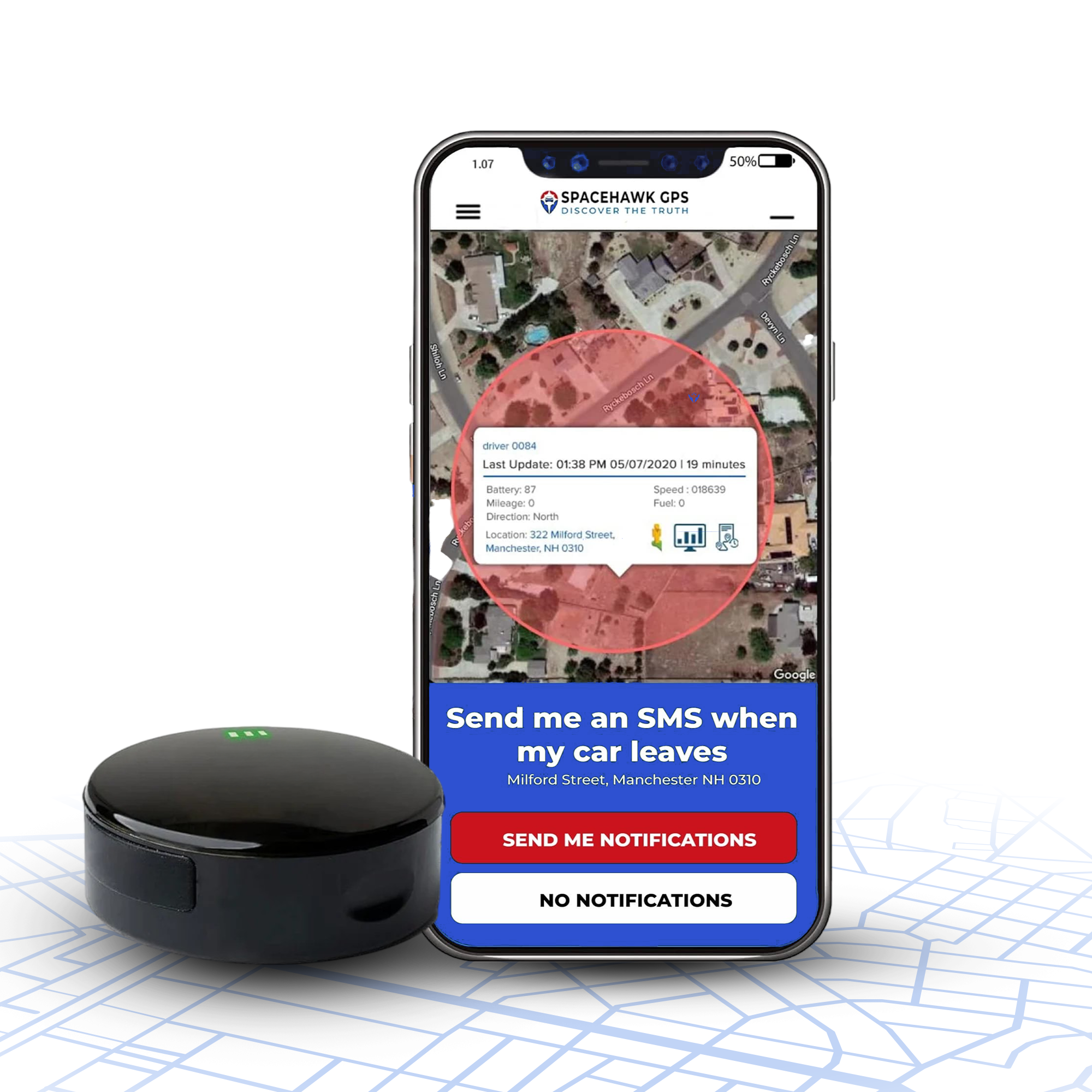
A handheld sweeper that picks up active GPS, cellular and RF transmissions. Faster and more thorough than crawling under a car with a flashlight.
- Sweeps a car in minutes
- Detects live transmissions
- Handheld and portable
- No subscription
What Can Actually Be Established
Two things are worth separating here, because most articles on this question blur them.
The first is CarMax's business model, which is a matter of record. The company sells nationally and finances through CarMax Auto Finance and outside lenders. That is not a buy-here-pay-here operation, and the distinction is the whole reason this question has a sensible answer.
Buy-here-pay-here lots lend to buyers other lenders decline, and they manage that risk with hardware. GPS units and starter interrupters are standard tools in that model. A national retailer working with conventional lenders has no equivalent need.
The second thing is what the car brings with it. Vehicles reach a lot through trade-ins, auctions and repossessions. Any of those can arrive carrying a device fitted earlier in the chain.
Dealers do fit trackers to unsold inventory sitting on a lot. That is inventory management rather than customer surveillance. Those should come off before delivery. Should is doing some work in that sentence.
None of which is a reason for alarm. Ten minutes of checking covers it, whichever lot the car came from.
Where Trackers Are Usually Hidden

A tracker needs three things: power, concealment and a clear view of the sky. That narrows the hiding places considerably.
Most installs take under five minutes, which is exactly why the check is worth doing. Six places account for nearly all of them.
-
The OBD-II port
Under the driver's side dash. A plug-in unit draws constant power and sits in plain sight if you know to look. Start here.
-
Under the car
Frame rails and near the wheels. Magnetic units go on in seconds. Look for boxes that do not match the factory finish, and for loose wiring.
-
Under the seats
Slide each seat fully forward and back. Factory wiring is clipped and routed cleanly, so anything taped, zip-tied or dangling deserves a second look.
-
Behind the bumpers
Secured behind the liner. Fresh screws, broken clips or a misaligned panel are the tells rather than the device itself.
-
Under the hood
Around the battery and the fuse box, where constant power is easy to reach. Engine off, gloves on.
-
Inside the wheel wells
Behind the inner liner, with a flashlight. Well protected from weather and from casual discovery.

Where Tracking Really Does Happen
The concern behind this question is real. What it points at is a different part of the market.
Dealers offering in-house financing, the buy-here-pay-here model, commonly fit GPS units and starter interrupters. The systems let them locate a vehicle after missed payments, and in some contracts prevent it being restarted.
From the lender's side that limits risk on loans nobody else would write. From the buyer's side, a third party knows where the car is at all times. That is a serious thing to agree to without noticing.
-
Read the contract
Tracking and starter-interrupt terms belong in the paperwork. If they are there, they are disclosed and you are agreeing to them.
-
Ask the direct question
Is there a tracking device on this vehicle, and will it be active after I take delivery? Vague answers are answers.
-
Check anyway
A policy describes intent. A sweep describes the car in front of you. Only one of those is evidence.
-
Know the state rules
Several states regulate starter-interrupt devices, including notice requirements before use. Worth checking where you live.
How Vehicle Repossession Actually Works
Repossession does not require a tracker, and it never has. The process runs on contract terms and state law rather than location data.
Missing payments puts a loan into default under the terms you signed. At that point the lender gains the right to recover the vehicle. In most states that happens without going to court first, provided the recovery does not breach the peace.
A licensed agent locates the car using account records and last known addresses. Recovery can then happen without advance notice, depending on the state. After recovery you should receive notice covering personal property, whether reinstatement or redemption is available, and what is owed.
If the car is sold, the proceeds reduce the debt. A shortfall can still be owed as a deficiency balance. The default and the repossession both land on your credit file and stay there for years.
The Federal Trade Commission's guide on vehicle repossession sets out what a lender may and may not do. Worth reading before you need it.
How to Check the Car Yourself

A visual inspection of the six spots above catches most devices. A detector catches the ones behind panels you were never going to pull off in a dealership car park.
These handheld units scan for active GPS, cellular and RF transmissions and report a signal within seconds. No guesswork, no dismantling.
-
Sweep before you sign
Your position is strongest while the paperwork is unsigned, and much weaker the following week.
-
Confirm what the signal is
Newer cars transmit legitimately through their own telematics. A detector tells you something is broadcasting, not what it is.
-
Ask for removal in writing
A verbal assurance is worth nothing three months later. Get it on the paperwork.
-
Think before you pull it out
If a device was fitted under a finance agreement, removing it could breach the contract. Establish what it is first.
Every dealer policy I have read is about intent. The only thing that tells you about the car in your driveway is a sweep of that car.
The Short Version
Nothing indicates CarMax fits trackers to the cars it sells, and its financing model gives it no reason to. That is a reasonable answer to the question as asked.
That is also not the useful answer. Any used car can arrive carrying hardware from a previous lender, dealer or owner. No policy statement protects you from that.
Check the car. Ten minutes with a flashlight, or a couple with a detector, and the question stops being a question.
Know before you drive away
A handheld detector sweeps a vehicle for transmitting devices and gives a straight answer. Any car, any lot.
Check PriceFrequently Asked Questions
Is GPS tracking legal for car repossession?
Generally yes, where the lender has a contractual right to the vehicle and has disclosed the device. Several states regulate starter-interrupt and tracking hardware specifically, including notice before a vehicle is disabled. The terms belong in your finance agreement, so read that before you sign.
Can a dealer disable a car remotely?
Where a starter interrupter is fitted and the contract permits it, yes. Worth being precise about what it does: a starter interrupt prevents the engine being started again. No such device should ever stop a vehicle that is already moving.
Do I own the car before the loan is paid off?
With a standard auto loan you own the vehicle and the lender holds a security interest in it. That interest is what lets them repossess after default. Some states hold the physical title until payoff. Owning it does not mean you can ignore the lien.
What happens to the car after repossession?
The car is usually sold, often at auction, and the proceeds reduce what you owe. A shortfall can still be pursued as a deficiency balance. A surplus should be returned to you, though it rarely arises.
Can repossession be avoided?
Often, if you act early. Contact the lender before the account falls behind and ask about deferment or an adjusted payment. Options exist while a loan is current and shrink quickly once it is not.
How quickly can a car be repossessed?
That varies by lender and by state. Some contracts allow it from the first missed payment, others in practice wait months. Some states require notice and a chance to cure first, and others do not.
Author Disclosure

Ryan HorbanVerified Expert
Fifteen years working with drivers and vehicle owners on how GPS tracking is actually used in the automotive market.
That work covers hands-on inspections, device testing, and tracking hardware found in used vehicles, repossessions and dealer inventory.
The focus stays on vehicle privacy, consumer awareness and detection methods that work, rather than theory or manufacturer marketing.
Sources
- Federal Trade Commission, Vehicle Repossession, on lender rights and borrower protections.
- CarMax, Privacy Policy.
Some images in this article were generated using AI.
- Choosing a selection results in a full page refresh.
- Opens in a new window.
 Buy on Amazon