
BrickHouse vs SpaceHawk GPS Tracker: Which Is Better?

-
01SpaceHawk updates location faster during real-time vehicle movement.
-
02BrickHouse offers easier setup with less configuration required.
-
03SpaceHawk battery supports longer tracking without external power.
-
04BrickHouse fits short-term tracking with simple app control.
-
05SpaceHawk handles movement changes with less delay on the map.
BrickHouse vs SpaceHawk GPS Tracker: Which One Should You Choose?
Today you'll find out which GPS tracker performs better between BrickHouse and SpaceHawk based on real-world tracking, battery life, setup, and everyday driving use.
SpaceHawk delivers faster real-time tracking updates and more flexible placement because it runs on a magnetic battery-powered design. BrickHouse works well for basic vehicle monitoring and simpler setups, especially if you want a straightforward plug-and-track experience without advanced tracking demands.
I'm Ryan Horban, and I've spent the past 15+ years testing GPS trackers across personal vehicles, fleet cars, trailers, and recovery setups. During side-by-side driving tests through city traffic, parking garages, and highway routes, I compared how both trackers handled live updates, signal recovery, battery performance, and route accuracy under normal driving conditions.
In this guide, you'll see how BrickHouse and SpaceHawk compare for tracking speed, installation, battery life, mobile app performance, and overall reliability, so you can decide which tracker fits your vehicle and tracking needs best.
Quick Overview of BrickHouse vs SpaceHawk GPS Tracker
BrickHouse vs SpaceHawk GPS tracker both provide real-time location tracking, but they differ in how they handle speed and usability in everyday use.
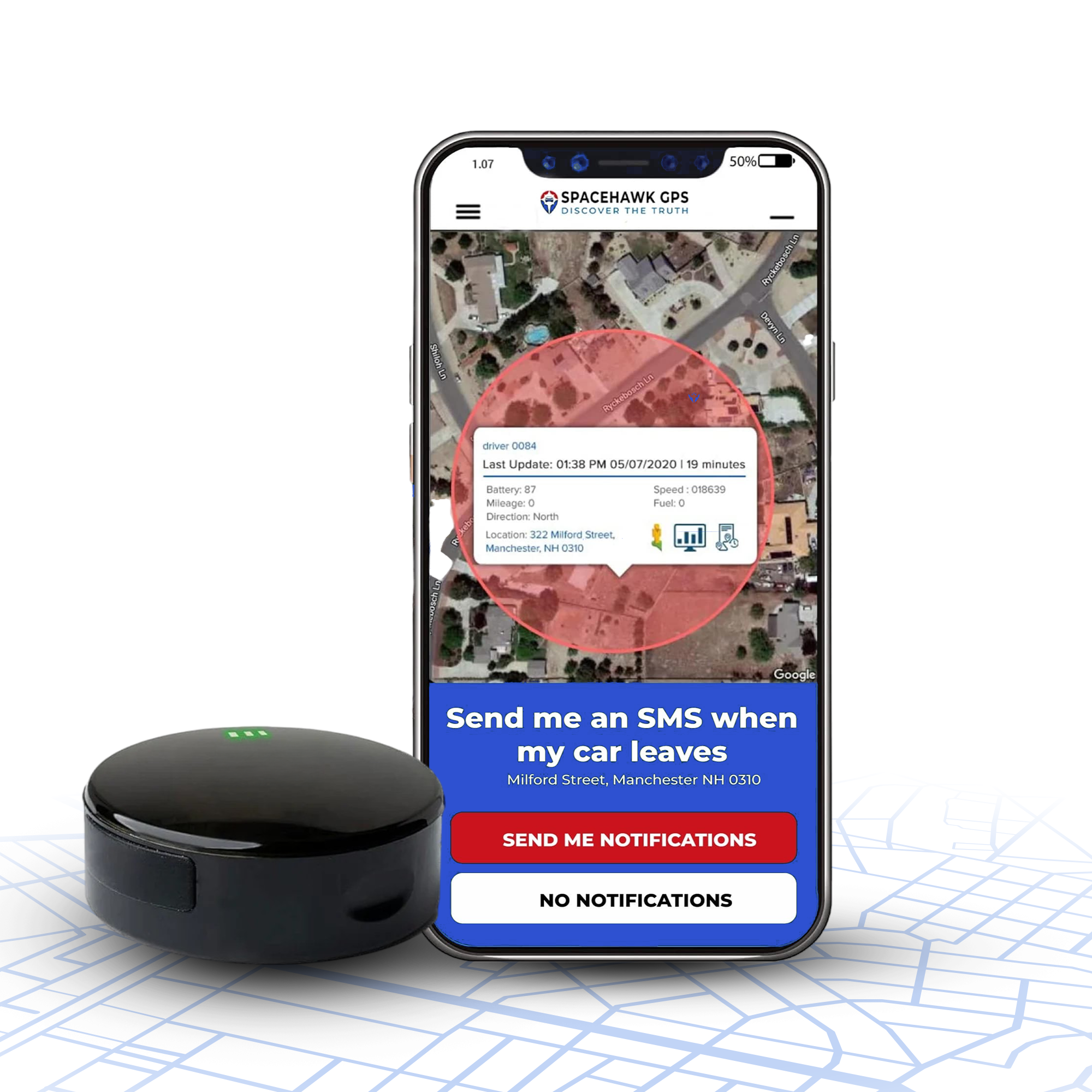
SpaceHawk works as a battery-powered, portable tracker designed for fast location updates and flexible placement, usable under vehicles or on assets without needing a fixed connection, which makes it suitable for tracking movement in real time.
BrickHouse GPS tracker focuses more on simple setup and steady tracking. Most devices are easy to install, and the app is built for basic monitoring without much setup or adjustment.
The difference becomes clearer once the tracker is in motion, especially during turns and route changes.
| Tracker | Accuracy | Battery Life | Price | Setup Time | Portability |
|---|---|---|---|---|---|
| SpaceHawk Editor's Pick | Updates within a few seconds during normal driving; brief delay on quick direction changes | Several days or longer on a rechargeable internal battery, depending on update frequency | See flag below | Charge, place, and activate through the app, no wiring | Magnetic case attaches under vehicles or metal surfaces |
| BrickHouse | Reliable for general tracking; short delay during continuous movement | Varies by model; some run on internal batteries, others need direct power | See flag below | Plug-and-play or quick activation through the app | Compact, but many models are built for fixed placement |
Let's start with the tracker built for faster tracking response.
SpaceHawk GPS Tracker: Built for Real-Time Tracking with Extended Battery Use

SpaceHawk GPS tracker runs as a portable, battery-powered device designed for tracking movement without relying on a fixed connection. The device uses cellular networks and GPS signals to send location updates directly to the mobile app, allowing you to monitor vehicles or assets from anywhere.
During daily driving, the update speed stays consistent enough to follow movement without noticeable gaps. When a vehicle changes direction or slows down, the map reflects those changes quickly instead of showing delayed positions. This makes it easier to track routes while they are happening, not after.
Battery performance allows tracking without relying on vehicle power. Since it does not depend on a vehicle's power, you can place it under a car or inside equipment and leave it there for extended tracking without frequent charging.
Frequent tracking intervals reduce battery runtime, especially during continuous driving in stop-and-go traffic.
Features of SpaceHawk
- Real-time tracking supports continuous movement monitoring during active use
- Magnetic case attaches securely under vehicles or metal surfaces
- Internal battery runs for extended periods based on tracking settings
- Compact design fits in tight spaces without drawing attention
Real-world insight
In side-by-side runs through Dallas city streets and along I-35, SpaceHawk kept up with direction changes during turns and stoplights, with only brief delays when the vehicle changed speed quickly.
Best For
- Real-time vehicle tracking
- Theft recovery
- Long-term monitoring, no permanent install
BrickHouse GPS Tracker: Simple Setup with Flexible Tracking Plans

BrickHouse GPS tracker focuses on easy setup and steady tracking without requiring much technical setup. Most devices are ready to use within minutes, either through plug-and-play installation or simple activation through the app.
In everyday use, the interface stays straightforward. You can check location, set alerts, and view trip history without going through multiple settings. The system is built for users who want quick access to tracking without spending time learning features.
Tracking remains consistent for general use, such as checking parked vehicles or reviewing routes. While it provides real-time updates, the refresh rate can feel slightly slower during continuous movement compared to performance-focused trackers.
Delay becomes more noticeable when tracking a moving vehicle over longer distances.
Features of BrickHouse
- Simple setup process with minimal steps to start tracking
- Flexible subscription plans depending on usage needs
- Mobile app supports alerts, location tracking, and trip history
- Designed for quick access without complex configuration
Real-world insight
Across the same Dallas-area test routes, BrickHouse tracked location reliably during stops and parked periods, but showed slight delay when the vehicle made quick turns or rapid direction changes.
Best For
- Easy setup for beginners
- Basic vehicle tracking
- Flexible, minimal-setup pricing
BrickHouse vs SpaceHawk GPS Tracker: Head-to-Head Comparison
Now that you've seen what each tracker offers on its own, let's line them up side by side.
This comparison covers tracking speed, alerts, setup, and usability based on everyday driving conditions.
During a short delivery route test, location updates stayed closer to actual movement with SpaceHawk compared to BrickHouse.
Real-Time Tracking Accuracy

SpaceHawk updated location within a few seconds during city driving, including turns and stoplights, with only brief delay during quick direction changes. On the same test loop through downtown Dallas and onto I-35, it reflected turns and stops almost as they happened, which made it easier to track a moving vehicle without guessing its current position.
BrickHouse provides location updates suitable for general tracking, but the update interval showed a short delay during continuous movement when the vehicle is in motion. In the same test runs, location changes appeared with a short delay during turns and quick direction shifts, which becomes noticeable when tracking continuously.
Signal drops were most noticeable in underground parking and tight urban streets during testing. SpaceHawk recovered faster once the vehicle returned to open areas, while BrickHouse took a few extra seconds to update the correct position on the map.
Battery Life and Power

SpaceHawk runs on an internal rechargeable battery, which allows it to operate without being connected to a vehicle. Depending on how often it reports location, it can last several days or longer before needing a recharge.
BrickHouse devices vary by model, with some using internal batteries and others relying on direct power. Battery-powered units typically require more frequent charging, especially when tracking is set to update more often.
One thing that became clear during testing is how tracking frequency affects battery life. When set to frequent updates, battery-powered trackers drained faster during continuous driving, especially in city traffic with constant movement and stops.
Pricing and Subscription

SpaceHawk follows a standard subscription model, with monthly service required to keep tracking active. Plans are usually straightforward, with fewer variations to choose from.
BrickHouse offers more flexibility in subscription options, including different plans based on tracking frequency and features. This gives users more control over cost, especially for short-term or limited use.
Alerts and Notifications
SpaceHawk sends alerts based on movement, geofencing, and activity changes. Because of faster update intervals, alerts triggered within a few seconds during movement testing, which helps when tracking a vehicle in motion.
BrickHouse also provides alerts for location, movement, and boundaries. Alerts work well for general monitoring, but may arrive slightly later during continuous movement due to slower update intervals.
Ease of Use and Setup
SpaceHawk setup involves charging the device, placing it on a vehicle or asset, and activating tracking through the app. Once active, it starts reporting location without needing wiring or installation.
BrickHouse setup is simpler for most users. Depending on the model, you either plug it in or activate it quickly through the app. The interface is easy to navigate, even for first-time users.
Design and Portability

SpaceHawk is compact and includes a magnetic case, allowing it to attach under vehicles or metal surfaces. This makes it easier to hide and move between different tracking situations.
BrickHouse devices are also compact, but many are designed for fixed placement. Some models can be hidden, but they do not always offer the same flexibility as a magnetic unit.
Customer Support and Warranty

SpaceHawk provides standard customer support through phone or online channels, with warranty coverage depending on the device and plan. Response times are generally consistent for basic support needs.
BrickHouse offers customer support with multiple contact options and guidance for setup or troubleshooting. Support quality is reliable for general use, especially for users who need help during setup.
What I Liked About Each Tracker
SpaceHawk GPS Tracker
SpaceHawk feels built for situations where tracking needs to keep up with movement, not just record it.
- Location updates stay consistent even during turns and stop-and-go traffic
- Battery holds up well for extended tracking without constant charging
- Magnetic case makes placement quick, especially under vehicles
- Tracking remains stable when switching between city roads and highways
BrickHouse GPS Tracker
BrickHouse keeps things simple, which makes it easier to use without much setup.
- Setup takes only a few minutes with minimal steps
- App layout is easy to understand, even for first-time users
- Alerts and location tracking work reliably for everyday use
- Flexible plans allow you to adjust based on how often you track
BrickHouse vs SpaceHawk: Which One Should You Choose?

Choosing between these two depends on how you plan to use the tracker. One focuses on faster tracking and flexible placement, while the other keeps setup simple for everyday use.
Choose SpaceHawk if
You need a tracker that keeps up with movement and works without being tied to a fixed setup.
- You need location updates that keep up with a moving vehicle
- You want longer battery life without relying on vehicle power
- You plan to track assets, vehicles, or equipment in different locations
- You need a tracker that can be placed and moved easily when required
Choose BrickHouse if
You want something simple to set up and use without spending time on configuration.
- You want a simple setup that works within minutes
- You prefer flexible subscription options based on usage
- You need basic tracking for parked vehicles or occasional monitoring
- You want an app that is easy to navigate without extra configuration
Final Verdict: SpaceHawk or BrickHouse?
Both trackers handle everyday tracking, but they serve different needs depending on how you plan to use them.
SpaceHawk handled movement tracking more consistently during side-by-side testing, keeping up with route changes, working without a fixed connection, and lasting longer on battery, which makes it useful for vehicle tracking, asset monitoring, and situations where placement flexibility is needed.
BrickHouse works well for basic tracking. Setup is quick, the app is easy to use, and it handles location checks and alerts without much effort. This suits users who want a simple solution without dealing with extra features or setup steps.
If tracking speed and flexibility are priorities, SpaceHawk is the better fit. If you prefer a simpler setup for occasional use, BrickHouse covers that without complication.
Frequently Asked Questions
Which tracker updates location faster, SpaceHawk or BrickHouse?
SpaceHawk. In side-by-side testing it reflected turns and stops within a few seconds, while BrickHouse showed a short delay during continuous movement and quick direction changes.
Does either tracker need a subscription?
Yes, both do. SpaceHawk uses a standard monthly subscription with fewer plan variations. BrickHouse offers more flexible plan options based on tracking frequency and features, which can help control cost for short-term use.
Which tracker has better battery life?
SpaceHawk's rechargeable internal battery is built to run independently of the vehicle for several days or longer, depending on update frequency. BrickHouse battery life varies by model, some run on internal batteries, others rely on direct power, so it depends on which unit you choose.
Which is easier to install, SpaceHawk or BrickHouse?
BrickHouse is generally quicker for a first-time setup, most models are plug-and-play or activate through the app in minutes. SpaceHawk takes a similar amount of time (charge, place, activate) but its magnetic mount adds more flexibility for where it can go.
Which tracker is easier to hide on a vehicle?
SpaceHawk, thanks to its compact size and magnetic case that attaches under vehicles or metal surfaces. BrickHouse devices are also compact, but many models are built for a fixed placement rather than being moved around.
About the Author

Frequently Asked Questions
Is SpaceHawk more accurate than BrickHouse?
Does BrickHouse require a monthly fee?
Which GPS tracker is better for cars?
Can I use these trackers internationally?
Do these trackers need charging?
- Choosing a selection results in a full page refresh.
- Opens in a new window.
 Buy on Amazon