How to Detect a GPS Tracker on Your Car and Remove One Safely

Published date: Last modified on: Ryan Horban
How to Detect a GPS Tracker on Your Car (And Remove It Safely)

How to Detect a GPS Tracker on Your Car (And Remove It Safely)

Hey everyone, if you suspect someone might be tracking your car without permission, take a breath. You’re in the right place.

Most people don’t start looking for a GPS tracker out of nowhere. Something feels off first. The battery starts draining without a clear reason, unfamiliar wiring shows up during routine maintenance, or phone alerts begin appearing along the same daily routes.

We get a lot of inquiries here at GPS Tracker Shop about how we can detect a GPS tracker in our car.

How to Detect a GPS Tracker on Your Car

I created this guide after conducting hands-on inspections of personal cars, shared vehicles, and work trucks, focusing on how GPS trackers are used in real-world situations, not textbook examples. During those checks, small devices hidden near bumpers, wheel wells, and OBD-II ports caused the most trouble because modern trackers blend in extremely well and are easy to miss.

In this guide, you’ll learn how detection works, where to look first, and how safe removal should be handled. Now you know what to expect from this guide, and in the next section, we’ll explain what a GPS tracker looks like and how vehicle tracking systems operate.

What Is a GPS Tracker and How Does It Work?

What Is a GPS Tracker and How Does It Work

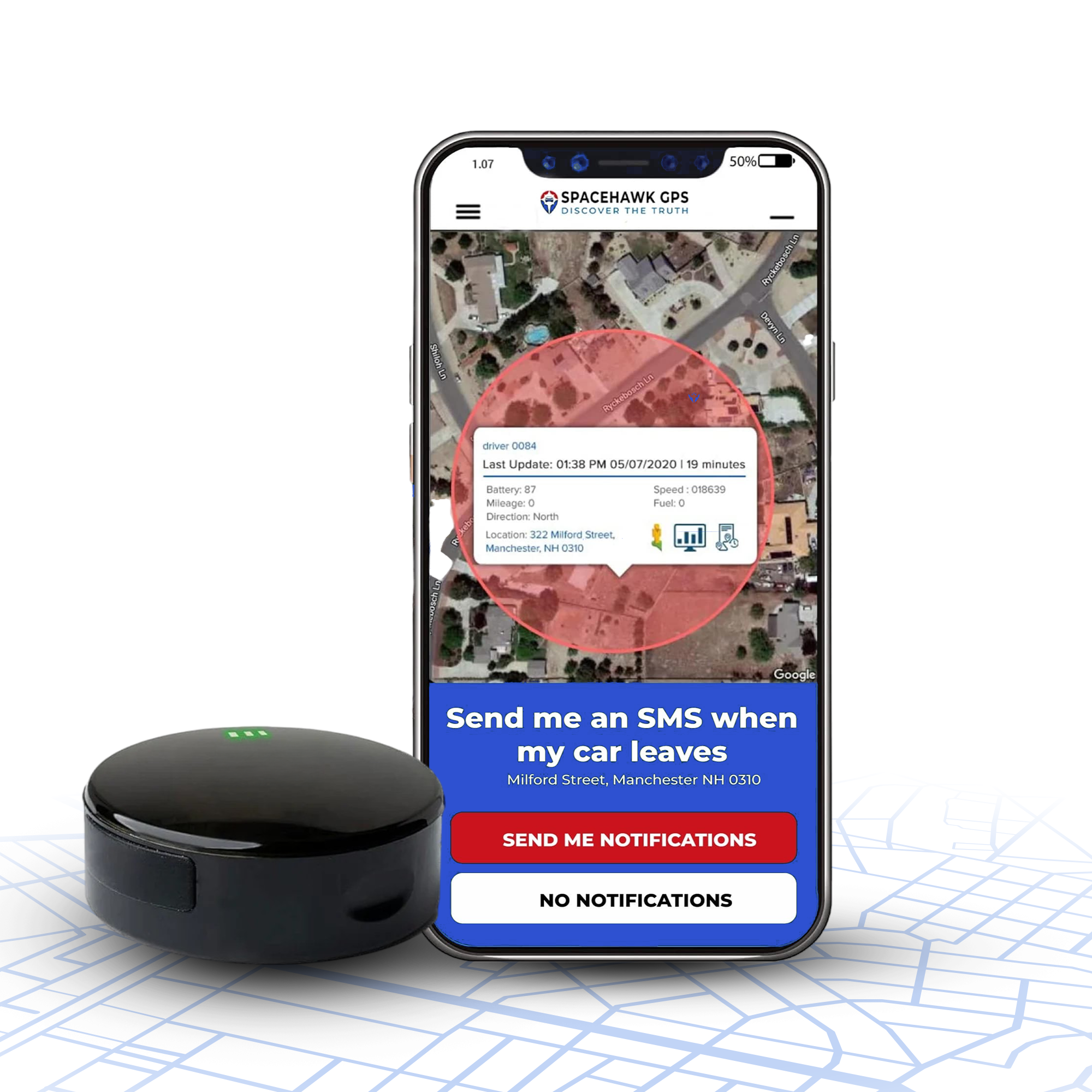
A GPS tracker is a small electronic device designed to collect location information from a vehicle and share movement details with another person or system. Most car GPS trackers use satellite signals to calculate position, then transmit location data through cellular networks or store routes internally as data loggers. During inspections, trackers often stayed active even when a car sat parked for hours, which surprised drivers who assumed movement triggered every update.

In real inspections, tracking devices show up in several forms, each using a similar process:

  • Satellite signals determine vehicle position
  • Location information gets sent through cellular networks or saved internally
  • A remote app, dashboard, or software platform displays routes and stops

Fleet managers rely on GPS tracking devices for fleet tracking and delivery oversight, while hidden trackers appear in cases involving person tracking, stalking, or unauthorised car tracking. With a basic understanding in place, the next section explains how active trackers and passive trackers differ in everyday use.

Active vs. Passive GPS Trackers

Active vs. Passive GPS Trackers

Active trackers send location data in near real time using cellular networks and radio frequency signals. Car tracking using active trackers allows continuous monitoring, making such devices common in fleet tracking systems managed by a fleet manager. Passive trackers work differently, storing location information as data logs until someone retrieves the device and accesses the stored routes later.

A quick breakdown helps clarify the difference:

  • Active trackers
    • Share live or frequent location updates
    • Often connected directly to a car’s electrical system
    • Common in delivery fleets and company vehicles
  • Passive trackers
    • Record routes internally as data loggers
    • Require physical access to read stored data
    • Often appear as portable trackers or battery-powered GPS trackers

During vehicle checks, active trackers raise more concern due to constant transmission, while passive trackers often go unnoticed without a full search.

With tracker behaviour clear, the next section explains why detecting GPS trackers often proves difficult even after careful inspection.

Why GPS Trackers Are Hard to Detect

Why GPS Trackers Are Hard to Detect

Detecting GPS trackers often takes longer than expected because modern tracking devices remain small, power-efficient, and easy to hide. Many hidden trackers draw minimal power from a car’s electrical system or rely on internal batteries, allowing long operation without noticeable battery drain. Some devices transmit only at intervals, limiting success when trying to detect radio frequencies during short scans.

In more than one search, a tracker went unnoticed simply because a quick walkaround felt “good enough,” even though a closer look later revealed a device tucked behind a liner.

Several factors complicate detection:

  • Battery-powered trackers attach to a metal surface under a vehicle
  • Hardwired GPS trackers blend into car wiring behind panels or near the engine compartment
  • Intermittent radio frequency signals reduce the effectiveness of a GPS detector or bug detector
  • Portable trackers activate only during movement, reducing detectable emissions

During real searches, trackers placed inside the engine compartment or connected directly to a car’s electrical system caused the most frustration, especially when radio frequency activity appeared only while driving. Now you know why hidden trackers are difficult to find, and the next heading will cover the most common hiding spots to inspect first.

Types of GPS Trackers Installed on Cars

Several tracker designs appear repeatedly during vehicle inspections, and most discoveries fall into three groups: magnetic battery-powered units, plug-and-play trackers connected through the OBD-II port, and hardwired GPS trackers tied into a car’s electrical system. Each option affects detection time, removal risk, and vehicle safety in different ways. A closer look at each category helps narrow down where to search and how cautious removal should be.

Magnetic & Battery-Powered Trackers

Magnetic & Battery-Powered Trackers

Magnetic trackers rely on internal batteries and strong magnets to stay attached to a metal surface. Placement usually favours areas that avoid daily visibility and road splash.

Common locations include:

  • Frame rails and wheel wells
  • Rear bumpers and undercarriage panels
  • Engine compartment corners with heat shielding

Battery life depends on transmission frequency. Some battery-powered GPS trackers last only a few days during frequent location updates, while others operate for months with limited reporting. During real searches, these portable trackers caused repeated misses because compact housings blended in with factory parts or road debris. 

Plug-and-Play (OBD-II) Trackers

Plug-and-Play (OBD-II) Trackers

Plug-and-play trackers connect directly to the OBD-II port below the dashboard, pulling power from a car’s electrical system without cutting wires. Fleet managers favour this setup for fleet tracking since installation takes seconds and removal requires no tools. Many fleet tracking programs rely on OBD-II trackers for delivery vehicles and shared cars.

Identification usually happens fast because the device occupies the diagnostic port and often blocks access for scan tools. During inspections, unfamiliar hardware near the steering wheel area raised immediate concern, especially when no fleet agreement existed.

Hardwired GPS Trackers

Hardwired GPS Trackers

Hardwired GPS trackers integrate directly into car wiring and often hide behind trim panels, under dashboards, or near the engine compartment. Constant power from a car’s electrical system allows long-term car tracking without battery changes, which explains frequent use in both legitimate tracking and unauthorised situations.

During inspections, hardwired trackers carried the highest risk of damaging a car. Improper removal can interfere with sensors, airbags, or other electrical components tied into the vehicle’s system. Legitimate trackers often share similar installation methods, which complicates quick decisions during discovery. Now you know how each tracker type differs, and the next heading will cover warning signs that suggest a tracker may already be present on a vehicle.

Warning Signs of GPS Tracking

Signs of GPS tracking often show up before any device gets discovered, and those signs usually fall into physical changes and behavioural red flags. Many drivers notice small issues first, such as unexpected battery problems or unfamiliar alerts, long before finding a tracker in a car. Paying attention to these signals helps confirm whether a deeper inspection makes sense. With those early indicators outlined, the sections below explain the most common warning signs and how each one appears in real situations.

Battery Draining Faster Than Normal

Battery Draining Faster Than Normal

Unusual battery drain often points toward tracking devices drawing power from a car’s electrical system. A vehicle that previously held charge well may start struggling after sitting overnight or between short trips. Hardwired GPS trackers and plug-and-play trackers connected directly to the car’s power supply frequently cause parasitic draw, especially when connected near steering wheel wiring or fuse panels.

Common battery-related clues include:

  • Needing jump-starts more often than usual
  • Dashboard warnings appear without a clear cause
  • Battery tests showing faster-than-expected discharge

During inspections, battery-powered trackers rarely caused drain, while hardwired trackers connected to a car’s electrical system created repeated battery complaints. With power issues covered, the next section explains how unfamiliar hardware or wiring raises concern.

Unknown Devices or Wiring

Unknown Devices or Wiring

Certain discoveries raise concern immediately during a visual inspection:

  • Extra wires tied into the car wiring with no clear destination
  • Small black boxes zip-tied near factory harnesses
  • Devices connected directly to a car’s electrical system without labels

Several drivers described stopping mid-inspection because the wiring didn’t match anything they remembered seeing during routine maintenance. Legitimate trackers usually follow clean installation practices and come with a user manual or fleet documentation. Hidden devices often look rushed, poorly concealed, or completely undocumented. Most discoveries happen under dashboards, behind interior panels, or near the engine compartment during routine checks.

With physical indicators covered, attention now turns toward digital warnings picked up by modern phones.

Phone Alerts or Bluetooth Warnings

Phone Alerts or Bluetooth Warnings

Many drivers learn about hidden trackers from phone alerts rather than vehicle inspections. Android and iOS systems now notify users when unknown Bluetooth tracking devices travel alongside a phone over time. Those alerts tend to appear during daily commutes or longer drives, especially when a tracker activates only while a car moves.

During real inspections, several hidden trackers relied entirely on Bluetooth signals instead of cellular networks. In those cases, phone warnings became the only early sign of tracking activity before any physical device was found.

Now that behavioural, physical, and digital warning signs are clear, the next heading explains where trackers usually get hidden and which spots deserve attention first.

Most Common GPS Tracker Hiding Spots

Most Common GPS Tracker Hiding Spots

Certain hiding spots show up again and again during real inspections, especially locations that offer cover, steady power, or quick attachment. Trackers usually end up in areas that avoid casual checks while staying close to metal surfaces or a car’s electrical system. A visual-first breakdown makes spotting these locations easier before tools or detectors come into play.

Exterior Areas

Exterior placement remains one of the most common methods because magnetic GPS trackers can be installed quickly and hidden without opening the vehicle. These devices are often placed during short, unattended moments, which makes the outside of the car a frequent starting point during inspections.

Typical exterior locations include:

  • Inside wheel wells, tucked behind plastic liners
  • Behind front or rear bumpers, where visibility stays low
  • Along the undercarriage, especially near frame rails or crossmembers

Magnetic trackers usually rely on a metal surface and a weather-resistant housing to stay secure. During real searches, road grime, factory shielding, and existing components helped these devices blend in, making fast walkarounds easy to miss. Once exterior zones are cleared, attention moves inside the vehicle, where concealment tends to be more deliberate and installations more involved.

Interior Areas

Interior placement allows trackers to stay protected from weather and road debris. Common discovery points include under seats, behind dashboard panels, and inside trunk trim. Battery-powered trackers and portable trackers often sit near upholstery edges or loose panels where removal looks simple, but detection stays tricky.

During inspections, unfamiliar wiring near the dashboard or steering wheel raised concern, especially when no fleet paperwork or user manual explained the setup. Interior checks take more time but often reveal hidden devices missed outside. With cabin areas explained, the next section shifts toward more advanced placement under the hood.

Engine Bay

The engine compartment attracts trackers designed to handle heat and vibration. Heat-resistant housings allow placement near firewall edges, battery areas, or wiring channels that blend into factory layouts. Hardwired GPS trackers placed here draw power directly from a car’s electrical system, allowing long-term tracking without battery changes.

During real searches, engine bay trackers caused hesitation because removal without experience risks damaging wiring or sensors. Many drivers overlooked this area entirely, assuming heat alone prevented placement. With engine bay risks clear, the next section highlights one of the most overlooked yet easiest spots to check.

OBD-II Port

The OBD-II port remains a top risk area because plug-and-play trackers connect in seconds and require no wiring. Fleet tracking programs frequently rely on this port, but unauthorised trackers use the same access point. Devices usually sit below the dashboard, often blocking diagnostic tool access.

During inspections, unfamiliar hardware connected to the OBD-II port became obvious once drivers knew where to look. Many competitors skip this location entirely, even though routine checks uncover devices there again and again. Now you know where trackers usually hide, and the next heading explains how to search a vehicle step by step without causing damage.

How to Search Your Car for a GPS Tracker

Many people rush this step out of worry, but slower searches uncovered more devices than fast, aggressive checks.

How to Search Your Car for a GPS Tracker

Searching a vehicle for a GPS tracker works best with a clear order and steady pace. Random checks often miss hidden devices, while a structured approach helps spot tracking devices before removal risks increase. The steps below follow the same sequence used during real inspections to reduce mistakes and avoid damage.

Tools You’ll Need

Searching for a GPS tracker doesn’t require specialized or expensive equipment. Most discoveries happen with simple tools that help you see into tight spaces, confirm unusual signals, and avoid unnecessary disassembly. Starting with the basics keeps the process safe and effective before moving on to more advanced methods.

A few basic tools cover most searches:

  • Flashlight for illuminating dark gaps, wheel wells, and undercarriage areas
  • Small inspection mirror to view tight spaces behind panels or along frame edges
  • Smartphone with Bluetooth and network scanning enabled for digital alerts
  • Optional GPS detector or bug detector to scan for radio frequency activity

No advanced equipment is required for an initial search. In real inspections, careful visual checks uncovered many hidden trackers before electronic tools were ever needed. With tools ready, attention moves outside first, where quick wins often happen early.

Manual Exterior Inspection

Starting outside helps catch magnetic trackers before interior work begins. Wheel wells, bumpers, and undercarriage areas attract battery-powered trackers attached to a metal surface. Road grime and factory shielding help devices blend in, so slow visual sweeps work better than quick walkarounds.

During inspections, exterior checks often revealed portable trackers missed later during interior searches. Once exterior zones get cleared, the process continues inside the vehicle.

Interior Inspection Checklist

Interior searches require patience and restraint, not aggressive disassembly. The goal is to check areas that trackers commonly use for concealment without disturbing factory-installed components or safety systems. Focusing only on accessible spaces reduces the risk of damage while still catching most interior placements.

Focus on:

  • Under-seat gaps and mounting rails, where small battery-powered trackers can sit out of sight
  • Dashboard edges and seams that are visible without removing panels or trim
  • Trunk corners and side panels where loose trim creates natural hiding spots

Avoid pulling panels, cutting tape, or touching airbag-related wiring. Many hidden devices appear near steering wheel wiring or interior harnesses, but aggressive handling increases the risk of electrical damage or safety system faults. With cabin areas reviewed carefully, attention now shifts toward a high-risk access point that many drivers overlook entirely.

Checking the OBD-II Port Safely

The OBD-II port sits below the dashboard and supplies constant power. Plug-and-play trackers connect directly to that port and support long-term car tracking. A quick visual check confirms whether unfamiliar hardware occupies the diagnostic connector.

During searches, discovery often happened after noticing blocked scan tool access. Removal stays simple, but documentation should be reviewed before unplugging any device. With the port checked, signal-based detection becomes the next step.

Scanning for RF, Bluetooth, or Cellular Signals

Scanning for RF, Bluetooth, or Cellular Signals

When visual inspections don’t reveal anything suspicious, electronic scanning becomes the next confirmation step. These tools don’t replace a physical search, but they help detect active signals from trackers that are transmitting location data or communicating with nearby devices. Understanding what each tool can and cannot detect helps avoid false confidence during scans.

Detection tools work in different ways:

  • GPS detectors and bug detectors scan for radio frequency emissions from transmitting trackers
  • Smartphones identify nearby Bluetooth tracking devices traveling alongside the vehicle
  • Cellular scans reveal active data transmissions linked to GPS tracking activity

Limits exist. Many trackers transmit intermittently, power on only while the vehicle is moving, or reduce signal output to avoid detection. Because of this, parked scans often miss active devices. During real inspections, short test drives were sometimes necessary to trigger transmissions and confirm tracker activity. With electronic scanning covered, one final option remains for complex or unresolved cases.

When a Professional Sweep Makes Sense

Professional bug sweep services make sense when signs of tracking persist without clear discovery. Hardwired trackers connected directly to a car’s electrical system or devices hidden deep inside panels often require trained removal. Legal concerns tied to stalking or harassment also justify professional documentation.

During advanced cases, specialists used calibrated RF equipment and inspection protocols beyond consumer tools. Now you know how to search a vehicle step by step, and the next heading explains what actions make sense after finding a tracker.

What to Do If You Find a GPS Tracker

What to Do If You Find a GPS Tracker

Finding a GPS tracker on a vehicle can feel unsettling, but a clear response helps avoid mistakes. The right approach focuses on safety, legality, and documentation before any removal attempt. Rushing often leads to damaged wiring, lost evidence, or legal trouble, especially when tracking connects to stalking or harassment cases. The sections below explain how to respond step by step once a tracker appears.

Confirm the Device Type

Before touching or removing anything, the first step is identifying exactly what kind of tracking device you’re dealing with. Not all GPS trackers are illegal, and some are installed for legitimate reasons tied to vehicle ownership, financing, or shared use. Misidentifying a device can lead to unnecessary legal trouble or damage to a vehicle’s systems.

Look for:

  • Branding, labels, or serial numbers printed on the device
  • A user manual or documentation tied to fleet tracking, insurance programs, or lenders
  • Wiring connected directly to the car’s electrical system or a plug-in connection at the OBD-II port

Legitimate trackers often belong to fleet managers, lenders, rental companies, or shared vehicle programs and are usually documented somewhere in writing. Removing a lawful device without confirmation may violate agreements or local laws. Once the device type is clear, the next decision involves whether removal should happen immediately or be delayed for safety or evidence reasons.

Should You Remove It Immediately?

Immediate removal feels tempting, but timing plays a role. Battery-powered trackers attached to a metal surface pose little risk when removed carefully. Hardwired GPS trackers connected to car wiring present a different situation, especially near airbags, sensors, or fuse panels. Sudden removal can damage a car’s electrical system or interfere with safety components.

During real cases involving person tracking, leaving the device in place briefly helped law enforcement document activity patterns. With removal timing clear, evidence handling becomes the next priority.

Preserve the Device as Evidence

Once a GPS tracker is discovered, preserving it properly protects your legal options and prevents mistakes that can’t be undone later. In cases involving stalking, harassment, or unauthorised tracking, the device itself may be the strongest proof of what happened, when it happened, and how tracking occurred. Handling it carefully ensures that evidence remains usable if authorities, attorneys, or investigators need to review it.

Recommended steps include:

  • Taking clear photos of the device exactly where it was found
  • Recording serial numbers, labels, and how the device is connected
  • Noting the discovery time, location, and whether the vehicle was running or parked
  • Storing the tracker in a sealed container after removal

Preserved evidence supports police reports, restraining orders, and legal action when tracking crosses into illegal use. Proper documentation also helps professionals determine whether the device was part of a legitimate program or an unauthorised installation. With evidence handled correctly, the next step is understanding how to remove a GPS tracker safely without damaging the vehicle.

How to Remove a GPS Tracker Without Damage

Removing a GPS tracker requires matching the removal method to the tracker type. Some devices come off in seconds, while others connect deep into a car’s electrical system and demand caution. The guidance below follows real inspection outcomes and focuses on avoiding damage, safety risks, and legal trouble before taking action.

Removing Battery or Magnetic Trackers

Battery-powered trackers and magnetic trackers usually attach to a metal surface and rely on internal power. Removal stays straightforward when no wiring connects to the vehicle.

A safe approach includes:

  • Wearing gloves to avoid fingerprints
  • Pulling the device straight off the mounting surface
  • Checking nearby areas for secondary tracking devices
  • Placing the tracker in a sealed container after removal

During inspections, portable trackers often appeared under bumpers or along frame rails and came off cleanly without tools. With simple removals covered, the next step focuses on plug-and-play devices connected inside the cabin.

Unplugging OBD-II Trackers

Unplugging OBD-II Trackers

OBD-II trackers connect directly to the diagnostic port under the dashboard and draw power from a car’s electrical system. Before unplugging any device, the ignition should remain off to prevent error codes or system faults. A gentle pull releases most trackers without resistance.

After removal, starting the vehicle and checking the dashboard indicators helps confirm normal operation. If warning lights appear, reconnecting the device briefly or consulting a technician helps prevent further issues. With plug-and-play devices addressed, attention turns toward trackers that pose a higher risk during removal.

Why Hardwired Trackers Need Professionals

Hardwired GPS trackers integrate into car wiring behind panels, near fuse boxes, or inside the engine compartment. Removal without training risks triggering airbag faults, ECU errors, or electrical shorts. Some installations tie into ignition circuits or safety sensors, increasing fire and system failure risks during improper handling.

During real cases, professional removal prevented costly repairs and preserved evidence for legal action. Skilled technicians identify power sources, isolate circuits, and restore wiring correctly. With professional involvement explained, one final warning deserves attention before attempting any removal.

What Not to Do (Jammers & Destruction)

GPS jammers, signal blockers, or device destruction create serious legal problems. Interfering with radio frequency signals violates federal regulations and may escalate a tracking situation rather than resolve concerns. Destroying a tracker also removes evidence needed for legal action tied to stalking or harassment.

Safer choices involve documentation, lawful removal, or professional assistance. Now you know how tracker removal works by device type, and the next heading explains legal boundaries around vehicle tracking and removal rights.

Is GPS Tracking Legal in the U.S.? (2026)

Is GPS Tracking Legal in the U.S.

GPS tracking laws in the United States depend on consent, ownership, and purpose. Federal rules and state statutes both play a role, which means legality can change based on who placed the tracker, whose car received the device, and how location data gets used. Understanding those boundaries helps prevent legal trouble before any action is taken.

When GPS Tracking Is Legal

GPS tracking is allowed under U.S. law when it involves ownership, clear consent, or a legitimate business or parental purpose. In these situations, tracking is tied to managing property or responsibility, not monitoring someone privately without permission. The key factor across all legal uses is transparency and authority over the vehicle being tracked.

Certain situations allow GPS tracking under U.S. law:

  • A vehicle owner tracking personal property
  • Fleet tracking approved by a fleet manager for company vehicles
  • Parents tracking vehicles driven by minor children
  • Businesses monitoring company-owned cars with written disclosure

Legitimate trackers in these cases usually come with documentation, user manuals, or written agreements that explain how tracking is used. Consent remains the defining factor. With lawful use clear, attention now shifts to situations where tracking crosses legal lines.

When GPS Tracking Is Illegal

GPS tracking becomes illegal when tracking occurs without consent and targets a private individual. Cases involving spouses, ex-partners, or personal disputes frequently fall into this category. Courts often view hidden trackers tied to stalking or harassment as unlawful surveillance, especially when location data supports repeated following behaviour.

During investigations, unauthorised car tracking combined with person tracking raised serious criminal concerns. Lack of ownership or permission remains the most common factor leading to charges. With illegal scenarios outlined, removal rights become the next concern.

Can You Legally Remove a Tracker?

Removal rights depend on state law and device ownership. Removing a tracker placed without consent on a personally owned vehicle generally stays lawful. Removing a legitimate tracker owned by an employer, lender, or fleet program may violate agreements or local statutes.

Before removal, documentation helps clarify ownership and intent. Consulting state statutes or legal counsel reduces risk when uncertainty exists. With removal legality covered, knowing when to involve authorities becomes important.

When to Contact Police or a Lawyer

In some situations, handling a GPS tracker on your own creates more risk than clarity. When tracking crosses into personal safety, legal uncertainty, or technical danger, involving professionals protects both you and the evidence. Police and attorneys help document what’s happening properly, which needs if the situation escalates or patterns need to be established.

Professional help becomes appropriate under specific conditions:

  • Evidence points toward stalking or harassment
  • A tracker appears hardwired into a car’s electrical system
  • Threats, intimidation, or repeated following occur
  • Legal uncertainty exists around consent or ownership

Law enforcement and attorneys help document activity, preserve evidence, and explain legal options before mistakes get made. Now you know where U.S. law draws boundaries around GPS tracking, and the next heading focuses on steps that reduce future tracking risk and improve vehicle protection.

How to Prevent GPS Tracking in the Future

How to Prevent GPS Tracking in the Future

Preventing GPS tracking works best with a mix of digital awareness, physical safeguards, and smart habits. Once a tracker gets found, small changes reduce the chances of another device ending up on a vehicle. The sections below focus on realistic prevention steps used after real tracking cases rather than extreme or impractical measures.

Phone Anti-Stalking Features (iOS & Android 2026)

Modern phones play a major role in early detection. Both iOS and Android systems now monitor nearby Bluetooth tracking devices and issue alerts when an unknown tracker follows consistent travel patterns. Those warnings often appear after repeated drives, daily commutes, or longer trips where a tracking device activates only while moving.

During recent inspections, phone alerts became the first sign of hidden trackers relying on Bluetooth rather than cellular networks. Keeping Bluetooth enabled and system alerts active increases the chance of early detection before physical installation locations are checked. With digital defences covered, physical access points deserve attention next.

Securing the OBD-II Port

The OBD-II port sits under the dashboard and provides constant power, which makes it a common entry point for plug-and-play tracking devices. Securing this port focuses on limiting physical access and spotting changes early, rather than adding complex technology. A few simple habits and low-cost tools make it much harder for a tracker to be connected without notice.

Simple protection steps include:

  • Install a physical OBD-II port lock
  • Keep diagnostic access covered when not in use
  • Review unfamiliar hardware after servicing or repairs

Fleet managers often secure ports across fleet tracking vehicles for the same reason. Blocking easy access prevents plug-and-play trackers from drawing power without notice. With the port protected, everyday habits become the next layer of prevention.

Parking & Storage Best Practices

Parking choices influence tracking risk more than many drivers realise. Well-lit areas, secured garages, and monitored parking structures reduce opportunities for quick placement of magnetic trackers. Long-term street parking increases exposure, especially in low-visibility areas where undercarriage access stays easy.

During tracking cases, devices often appeared after overnight parking in open public spaces. Varying parking locations and performing occasional walkarounds lowers repeat placement risk. With daily habits addressed, higher-risk situations call for professional help.

Professional Security Inspections

Professional inspections make sense after repeated tracking incidents, legal disputes, or safety concerns tied to person tracking. Specialists conduct thorough vehicle sweeps using advanced RF equipment, wiring inspections, and documentation protocols beyond consumer tools.

High-risk situations include ongoing harassment, prior tracker discoveries, or complex hardwired installations. Professional reports support legal action and help confirm vehicle safety after removal. Now you know how to reduce future tracking risk, and the next heading answers common questions drivers ask after discovering GPS trackers.

Conclusion

Discovering a GPS tracker on a car can be unsettling, but having a clear, methodical approach puts control back where it belongs. Careful inspection, steady decision-making, and knowing when to stop and seek help protect both personal privacy and a vehicle’s electrical system. The steps outlined in this guide reflect real situations where drivers identified hidden trackers, confirmed whether devices were legitimate, and avoided costly or risky mistakes during removal.

By now, you know how GPS trackers work, where they’re most often hidden, how to search safely, and when professional or legal support makes sense. For added confidence during future checks, a dedicated GPS tracker detector or bug detector can help identify radio frequency activity that visual inspections and phone alerts may miss. Keeping a reliable detector on hand turns repeat searches into a faster, more confident process and adds an extra layer of protection when when privacy is a priority.

RF Detector


Author Disclosure

Written by Ryan Horban, Vehicle GPS Tracking & Inspection Specialist (15+ Years of Experience)

This guide was written based on hands-on experience inspecting personal cars, shared vehicles, and work trucks for GPS tracking devices. Over the years, I’ve worked directly with drivers, vehicle owners, and small fleet operators who needed clear answers about tracking concerns, detection methods, and safe removal practices.

My work focuses on real-world vehicle inspections, not theoretical setups. That includes identifying hidden trackers, understanding how different devices behave, and knowing when removal is safe versus when professional or legal help makes more sense. Every section of this guide reflects situations encountered during actual inspections, where mistakes could damage a vehicle or create legal risk.

The goal here is simple: help vehicle owners protect privacy, avoid unnecessary damage, and make informed decisions without panic or guesswork.

👉 Connect with me on LinkedIn →

Ryan Horban, Vehicle GPS Tracking & Inspection Specialist (15+ Years of Experience)

Frequently Asked Questions

Do GPS trackers work when a car is off?

Many GPS trackers continue to operate even when a car remains parked. Battery-powered trackers rely on internal power and continue to record or transmit location data even when the engine is off. Hardwired trackers connected to a car’s electrical system often stay active as well, especially when tied into constant power circuits. Tracker behaviour depends on installation type and power source.

Can police or private investigators track my car?

Law enforcement agencies and licensed private investigators follow strict legal rules. Police usually require a warrant or court approval before placing tracking devices on a privately owned vehicle. Private investigators typically need owner consent or a legal connection to the vehicle. Unauthorised tracking without permission often falls under illegal surveillance laws.

What tools help find hidden trackers?

Several tools assist with detecting GPS trackers:

  • A flashlight and inspection mirror for visual checks
  • A smartphone for Bluetooth tracker alerts
  • A GPS detector or bug detector for radio frequency scanning
  • A vehicle diagnostic scan to check the OBD-II port activity

Visual inspections catch many hidden devices, while electronic tools help confirm activity that remains invisible to the eye.

When should I seek professional help?

Professional help becomes appropriate under certain conditions. Consider outside assistance when a tracker appears hardwired into car wiring, repeated signs of tracking continue without discovery, or concerns involve stalking or harassment. Security specialists and legal professionals help document findings, protect evidence, and reduce risk during complex situations.

Now you have clear answers to the most common questions, and the full guide above provides step-by-step directions for detection, removal, and prevention when GPS tracking becomes a concern.

What does a GPS tracker look like?

A GPS tracker usually appears as a small rectangular or oval device, often black or dark grey. Many car trackers resemble a compact power bank, a thick USB stick, or a sealed plastic box with no screen. Some versions include a magnet on one side, while others connect with wires or plug directly into a diagnostic port. Size often stays small enough to fit in a palm, which allows easy concealment during placement.

Back to blog