
GPS Tracking Laws in Pennsylvania (2026): What Is Legal?

5 Things to Know About GPS Tracking Laws in Pennsylvania
-
01
Ownership decides almost everything. A vehicle you own outright you may track, inside or out.
-
02
No Pennsylvania statute squarely bans private tracking yet. That is not the same thing as being legal.
-
03
People have already been charged. Two Pennsylvania stalking cases in 2025 involved tracking devices on a car.
-
04
Businesses may track company-owned vehicles for genuine operational reasons, with drivers told the tracking is happening.
-
05
Police need a court order first, issued by a court of common pleas on probable cause.
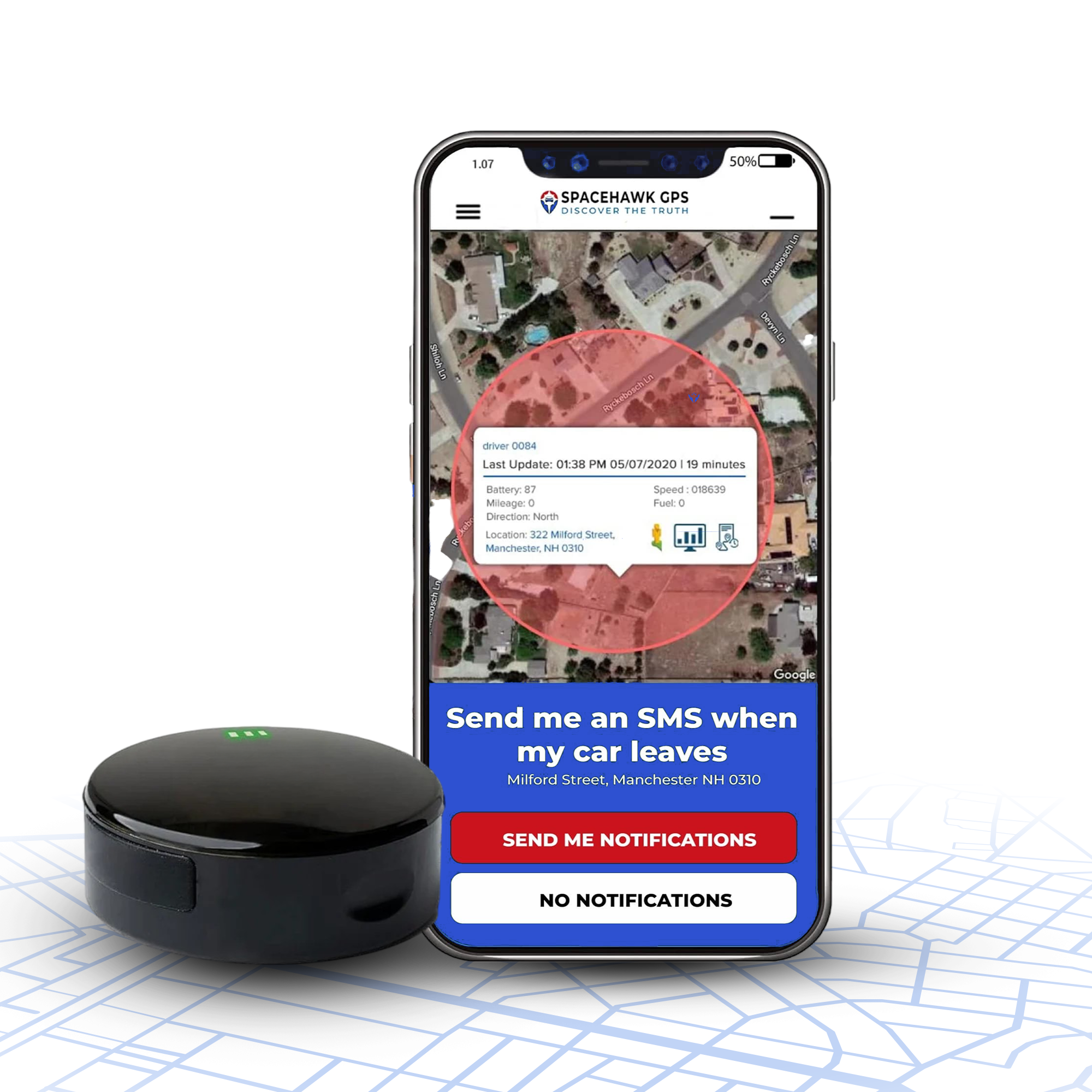
Tracking a vehicle your business owns? SpaceHawk gives you real-time location on any car, van or trailer on your own title, with no wiring needed.
See SpaceHawkWe earn a commission on purchases made through Amazon links on this page.
Is GPS Tracking Legal in Pennsylvania?
Pennsylvania GPS tracking law turns on one question before any other. Who owns the vehicle?
Own the vehicle outright and you can track it, inside the cabin or under the frame, without anyone's permission. Once the car belongs to someone else the picture changes quickly. A cheap tracker can turn into a criminal charge.
What follows is where the law actually stands today, including the part most articles on this subject get wrong.
Never track a person without their consent
Placing a tracker on a partner, ex-partner or family member without their knowledge is not a gray area. Covert tracking is a recognized form of stalking, and Pennsylvania charges it as one. If you think a device has been put on your vehicle, document what you find and contact police. The National Domestic Violence Hotline on 1-800-799-7233 (or text START to 88788) and the Stalking Prevention, Awareness and Resource Center can both help.
Not legal advice. This guide explains Pennsylvania law in general terms as of October 2026. Talk to a Pennsylvania attorney about your own situation before placing a tracker on any vehicle you do not own outright.

SpaceHawk GPS Tracker, for Vehicles You Own
Magnetic, waterproof and fitted in seconds without wiring. Made for owners and fleets tracking their own cars, vans, trailers and equipment. Updates as fast as every 3 seconds, IP67 rated, plans from $19.95 a month with no contract.
The Ownership Rule, and Where It Runs Out
Tracking a vehicle titled to you is straightforward in Pennsylvania. No consent is required and no notice is owed to anyone, because the property is yours.
Everything difficult sits on the other side of that line. Here is the honest version of each situation.
-
On solid ground
- A car, van, trailer or machine titled to you or your business
- A company-owned fleet vehicle, where drivers know tracking is in place
- A vehicle you co-own, tracked for theft recovery rather than to follow the other driver
- Any vehicle where the owner has given you clear permission
-
Where people get charged
- A partner's or ex-partner's car that is not in your name
- An adult family member's vehicle, without asking them first
- An employee's personal car, even while they are working
- Reaching onto private property to place or retrieve a device
Shared ownership has a limit worth knowing. Being on the title answers the trespass question, but not the stalking one. Using a jointly owned car to follow a spouse who does not know about the tracker can still be charged as stalking.
Financed cars are another common case. The lender may track the vehicle under the loan agreement you signed, and our guide on whether the repo man can track your car explains how that works.
What Pennsylvania Law Actually Says Right Now
Here is the part that gets misreported constantly, so precision matters.
Pennsylvania has no statute that squarely criminalizes a private person putting a tracker on someone else's car. Plenty of articles read that gap as permission. That reading is wrong, and the expensive kind of wrong.
The absence of a specific tracking statute does not make the conduct lawful. The charge simply comes from somewhere else in the code.
The statute prosecutors reach for is the stalking provision at 18 Pa.C.S. section 2709.1. Stalking covers a course of conduct that puts someone in reasonable fear or causes substantial emotional distress. Covertly following a person's movements fits that description comfortably.
Harassment under section 2709 can also apply. So can criminal trespass, if placing or collecting the device meant stepping onto private ground.
Two Pennsylvania cases from 2025 show how this plays out in practice.
-
Indiana County, February 2025
A tracker in the wheel well
A man was charged with stalking-related offenses after allegedly taping an Apple AirTag to a former partner's car. The device went in the rear wheel well, on the outside of a vehicle he did not own. That is precisely the placement often described online as safe.
-
Lancaster County, March 2025
Charged under existing law
A man was arrested on stalking charges after allegedly duct-taping an AirTag to a victim's car. Both cases were brought before any dedicated tracking statute existed, using the stalking law already on the books.
Lawmakers are working on closing the gap. House Bill 407 would amend the stalking statute to make unauthorized use of a tracking device its own offense. The grading would be a third-degree misdemeanor. Carve-outs cover law enforcement, parents and guardians of minors, and caregivers.
That parental carve-out matches how tracking a minor already works in practice, which our guide on whether your parents can track your car covers in detail.
201-2
The Pennsylvania House vote passing House Bill 407 on April 8, 2025. The bill went to the Senate Judiciary Committee the next day and, as of October 2026, has not become law.
Check the bill's current status before relying on anything here. This is a moving target rather than settled law.
What this means in practice. If the vehicle is not yours and the owner has not agreed, do not place a device on it. Whether the tracker sits inside the cabin or under the bumper makes far less difference than most people assume.
Found a tracker on your own car? Photograph the device where it sits and contact police before removing it. A GPS tracker detector helps you check the rest of the vehicle. Our guides on what to do when a partner puts a tracker on your car and whether a GPS tracker can be traced to its owner walk through your next steps.
Where Police Fit In
Law enforcement cannot simply attach a tracker to a suspect's car. Pennsylvania handles this under its Wiretapping and Electronic Surveillance Control Act, at 18 Pa.C.S. section 5761.
An officer applies to a court of common pleas by sworn affidavit. The affidavit has to identify the vehicle and its owner or possessor. The officer must also show probable cause that the device will produce evidence of a crime.
Authorization runs 90 days from placement and can be extended for another 90 days for good cause. The court must be notified in writing within 72 hours of the device going live.
Pennsylvania's Superior Court has held that an order under this section is the functional equivalent of a search warrant (Commonwealth v. Burgos, 2013). That satisfies what the U.S. Supreme Court required in United States v. Jones.
Skip the process and the evidence can be suppressed. That is the practical reason the paperwork gets done.
Tracking Employees in Pennsylvania
Employers can track company-owned vehicles used for work. Courts have generally accepted fleet monitoring as a legitimate business activity, provided the tracking serves a real operational purpose.
Two conditions matter more than owners expect. Drivers should be told, in writing, through a policy they have seen. And monitoring should stop when the working day does.
Tracking a worker's movements in the evening or at weekends is where a sound policy turns into a lawsuit. If the vehicle is the employee's own car rather than the company's, you need their consent either way. Our guide on how to track employee location covers the options that keep you on the right side of that line.
Related guideGPS Tracking Policy for Your BusinessNotice, policy wording and consent when monitoring drivers, covered in full.Read the GuideSpeak to an employment attorney before rolling out a policy. Pennsylvania law here keeps moving, and a short call costs less than a claim.
Tracking your own fleet, properly
Real-time location on every vehicle on your title, with no installer required.
The Same Rules Statewide
These questions come up constantly across Pittsburgh, Philadelphia, Allentown, Erie, Reading, Upper Darby, Bethlehem, Bensalem, Lancaster and Lower Merion. The rules do not change by city.
If you have to ask whether tracking a particular car is allowed, ask its owner instead.
Ryan Horban, GPS Tracking Expert
Conclusion: Pennsylvania GPS Tracking Laws
GPS tracking laws in Pennsylvania come down to ownership and consent. Track a car, van, trailer or machine on your own title and you are on solid ground. Put a device on a vehicle someone else owns without their agreement, and you risk a stalking charge, even though no dedicated tracking statute exists yet.
Businesses can monitor company vehicles when drivers know about the tracking and monitoring stops when the workday does. Police need a court order backed by probable cause before a tracker goes on a suspect's car.
Keep an eye on House Bill 407. If the Senate passes the bill, unauthorized tracking becomes its own offense in Pennsylvania, and the line drawn in this guide gets sharper, not softer. Until then, the safest rule is also the simplest: track what you own, and ask before you track anything else.
Every state, one pageGPS Tracking Laws by StateHow all 50 states and D.C. handle tracking, with the statute each one relies on.See All 50 StatesDisclaimer: This article is general information, not legal advice. Pennsylvania's tracking laws are actively changing and can be applied differently depending on the facts. Consult a qualified attorney before placing a device on any vehicle you do not own outright.
Track the vehicles that are yours
SpaceHawk mounts magnetically in seconds. Real-time position on any car, van, trailer or machine on your own title.
Sources
- Pennsylvania General Assembly, House Bill 407, 2025-2026 regular session, amending the stalking offense at 18 Pa.C.S. section 2709.1.
- Pennsylvania Consolidated Statutes, 18 Pa.C.S. section 5761, mobile tracking devices.
- Commonwealth v. Burgos, 2013 PA Super 26, on section 5761 orders as the functional equivalent of a search warrant.
- City & State Pennsylvania, PA House passes bill creating criminal offense for tracking device-based stalking, April 2025, on the House vote and the 2025 charging cases.
About the Author

Frequently Asked Questions
Can employers legally track employees using GPS in PA?
Are personal GPS tracking systems restricted in Pennsylvania?
What happens if a GPS tracker is used illegally in Pennsylvania?
Should a private investigator handle vehicle surveillance instead?
Is it illegal to put a GPS tracker on someone else's car in Pennsylvania?
Can I put a GPS tracker on my spouse's car in Pennsylvania?
Can parents track their teenager's car in Pennsylvania?
What should I do if I find a GPS tracker on my car in Pennsylvania?
- Choosing a selection results in a full page refresh.
- Opens in a new window.
 Buy on Amazon